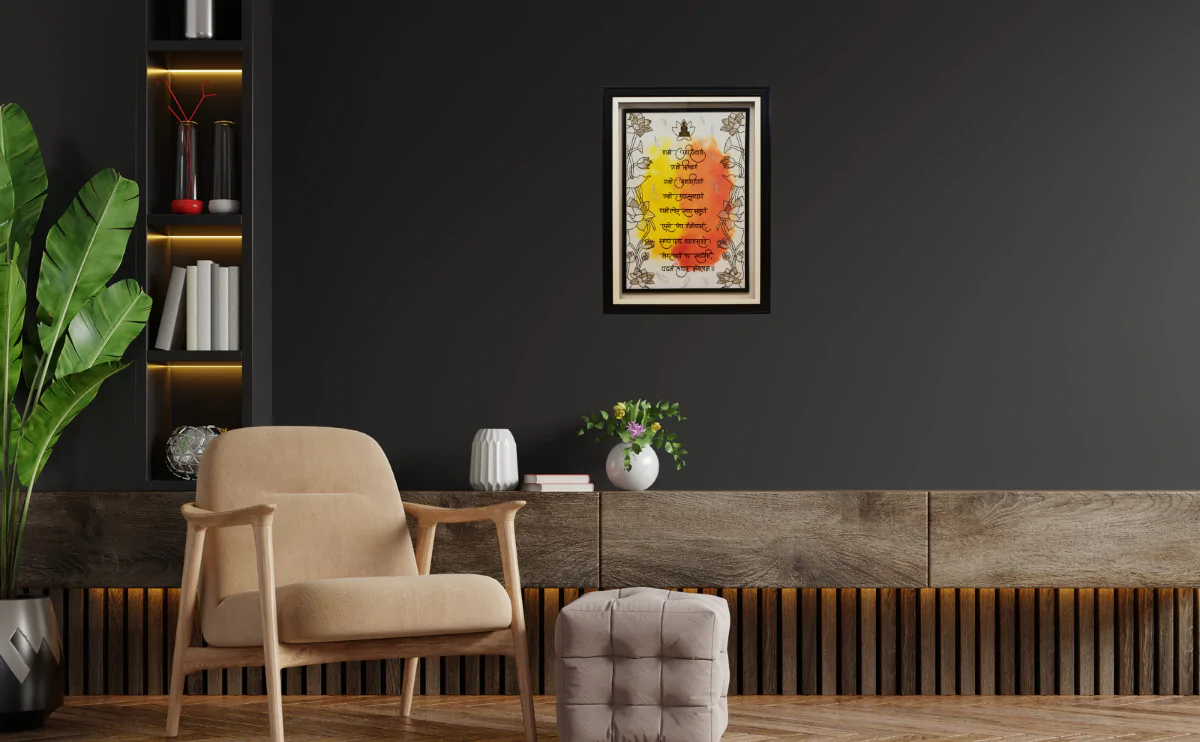

Blog
Why Architects Are Choosing Bespoke Textile Installations for Modern Spaces

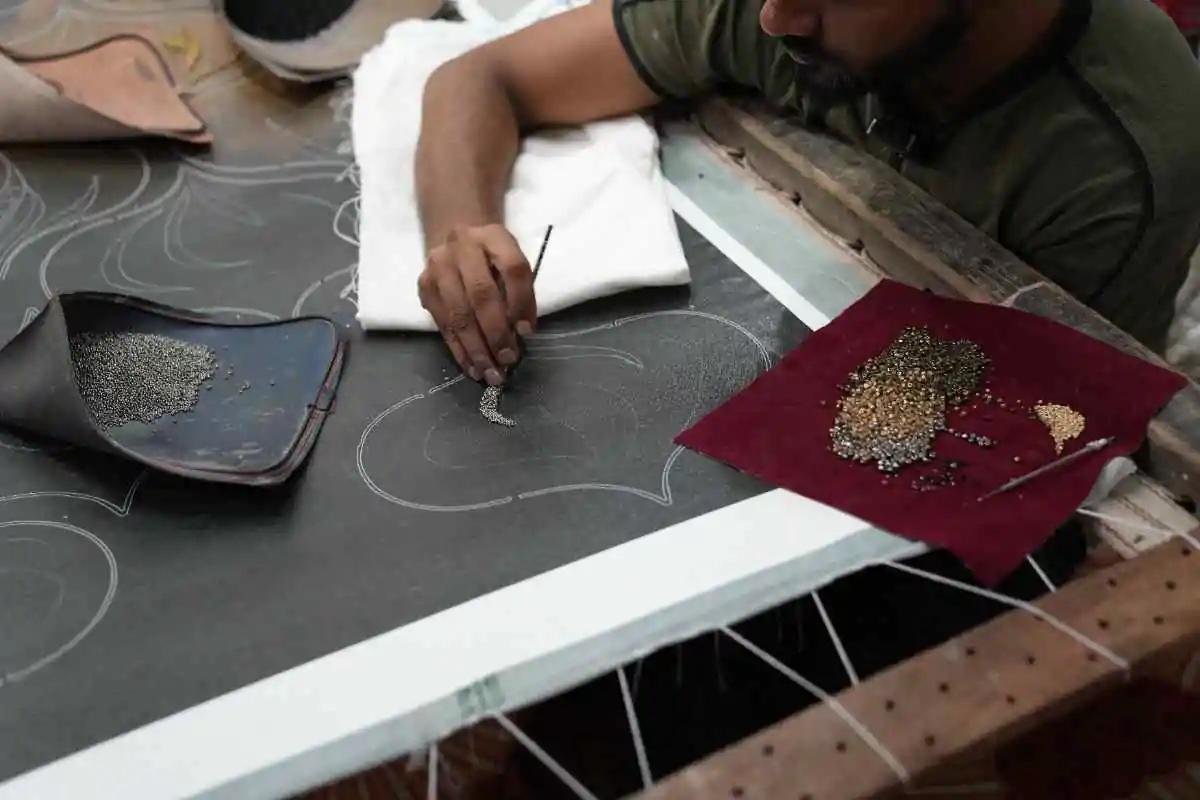
Modern architecture is increasingly moving beyond conventional materials, standard decorative elements, and predictable interior designs. Architects and interior designers are exploring creative ways to introduce texture, warmth, depth, and artistic expression into contemporary spaces. Among the growing design approaches, bespoke textile installations are gaining attention for their ability to transform walls, ceilings, partitions, and large architectural surfaces into distinctive visual experiences. Unlike mass-produced decorative products, textile installations can be developed according to the dimensions, colour palettes, architectural features, and creative vision of a particular project. They combine artistic craftsmanship with interior functionality, making them suitable for hospitality spaces, corporate environments, residential properties, galleries, and commercial interiors.
The growing demand for personalised interiors has also increased interest in Bespoke Textile Art USA, Custom Textile Art UK, and Handmade Textile Art Europe. Architects are looking for creative materials that communicate a project’s identity while creating memorable experiences for visitors and occupants. From sculptural wall hangings and textured textile panels to large-scale woven artworks and customised fabric installations, these products offer significant design flexibility. Studio Ayni brings an artistic approach to textile-based interior solutions, focusing on handcrafted expression, material exploration, and customised textile creations for contemporary spaces. By combining traditional textile techniques with modern architectural thinking, bespoke textile installations can help transform ordinary interiors into meaningful design environments.
What Are Bespoke Textile Installations in Modern Architecture?
Bespoke textile installations are customised textile-based artworks or architectural elements created for a specific space, project, or design requirement. They may include woven wall hangings, embroidered panels, sculptural fibre artworks, layered fabric compositions, and large-scale textile arrangements. Unlike standard wall décor, these installations are developed around the architectural dimensions and creative direction of a particular environment.
Architects often use textile installations to introduce softness into spaces dominated by concrete, glass, metal, and stone. These materials can create visually striking interiors, but they may sometimes feel cold or acoustically challenging. Textiles introduce a contrasting surface quality through their woven structures, natural variations, patterns, and tactile characteristics.
The flexibility of textile art also allows designers to experiment with scale and placement. A large handmade installation can become the centrepiece of a reception area, while smaller textile panels can create visual interest in private rooms, meeting spaces, and residential interiors. Each installation can be developed according to the project’s colour palette, theme, and spatial requirements.
Why Architects Are Choosing Custom Textile Art for Contemporary Interiors
Architects and interior designers increasingly value materials that allow them to create distinctive environments rather than repeating standard decorative solutions. Custom textile art offers an opportunity to integrate artistic elements directly into an architectural concept. Designers can specify the dimensions, materials, textures, colours, and composition according to the character of the space.
Another important advantage is the emotional quality of handmade materials. Textiles often communicate warmth, craftsmanship, and individuality through their visible details. Handwoven patterns, embroidered surfaces, layered fibres, and irregular textures can introduce a sense of depth that conventional printed wall décor may not provide.
Custom installations also allow designers to connect artwork with a building’s identity. For example, a boutique hotel may commission textile artwork inspired by local craft traditions, while a contemporary office may prefer geometric compositions that complement its architectural lines. This ability to develop project-specific designs makes textile installations valuable for interiors that require a distinctive visual identity.
The Growing Demand for Bespoke Textile Art USA
The American architecture and interior design industry includes a wide variety of residential, hospitality, commercial, and cultural projects. As designers increasingly explore personalised interiors, Bespoke Textile Art USA has become a relevant category for architects, interior designers, art consultants, and property developers seeking distinctive decorative solutions.
Large-scale textile artworks can create strong visual impressions in hotel lobbies, corporate reception areas, luxury residential properties, restaurants, and creative workspaces. Instead of relying entirely on framed paintings or conventional decorative panels, designers can introduce handcrafted textile compositions that add texture and visual dimension.
For commercial projects, customised textile installations can also support brand storytelling. A corporate office might use a textile artwork that reflects its brand colours and creative philosophy, while a hospitality project may incorporate materials and patterns inspired by its location. These details help create a more memorable interior experience.
Studio Ayni explores textile-based artistic possibilities for contemporary interiors, offering a creative approach to customised textile design. For architects and design professionals, the important consideration is finding artwork that complements the architectural language of a space rather than competing with it.
Custom Textile Art UK: Bringing Individuality to Architectural Spaces
The UK interior design market has a strong appreciation for craftsmanship, material experimentation, and artistic individuality. From contemporary residential interiors in London to hospitality projects and creative commercial environments, designers are exploring different ways to incorporate handcrafted details into architectural spaces.
Custom Textile Art UK provides an opportunity to create textile installations that respond to specific interior requirements. Architects can work with customised dimensions, colour combinations, woven textures, and artistic patterns to develop pieces that complement the building’s overall design.
For example, a contemporary hotel may feature a large textile artwork behind its reception desk, creating an inviting focal point for guests. A residential property may use handmade wall textiles to introduce warmth into a minimalist living room. Similarly, a creative office may incorporate suspended textile elements to create visual separation between functional areas.
The growing interest in customised artwork reflects a wider design preference for spaces that communicate personality and authenticity. Rather than selecting decorative products based only on availability, designers can explore textile art developed specifically for their architectural projects.
Handmade Textile Art Europe and the Importance of Craftsmanship
European interiors often bring together contemporary architecture, historical influences, material innovation, and traditional craftsmanship. This combination creates opportunities for handmade textile artwork that introduces artistic character into modern environments.
Handmade Textile Art Europe reflects the growing interest in textile creations that celebrate material details and skilled production techniques. Weaving, embroidery, knotting, layering, and other fibre-based methods can create surfaces with distinctive patterns and textures. Each technique produces a different visual effect, allowing designers to select artwork that suits the intended atmosphere.
Handcrafted textile installations can be especially effective in boutique hotels, cultural institutions, galleries, residential properties, and creative commercial spaces. Their individual characteristics can make an interior feel more personal and visually engaging.
Another important aspect is the relationship between craftsmanship and contemporary design. Handmade artwork does not necessarily need to follow traditional decorative styles. Artists can reinterpret established textile techniques through abstract forms, oversized compositions, unconventional materials, and modern colour palettes.
Studio Ayni recognises the value of textile craftsmanship in contemporary spaces, where handmade details can create a meaningful connection between artistic expression and architectural design.
Why Custom Textile Manufacturer USA Solutions Matter for Large Projects
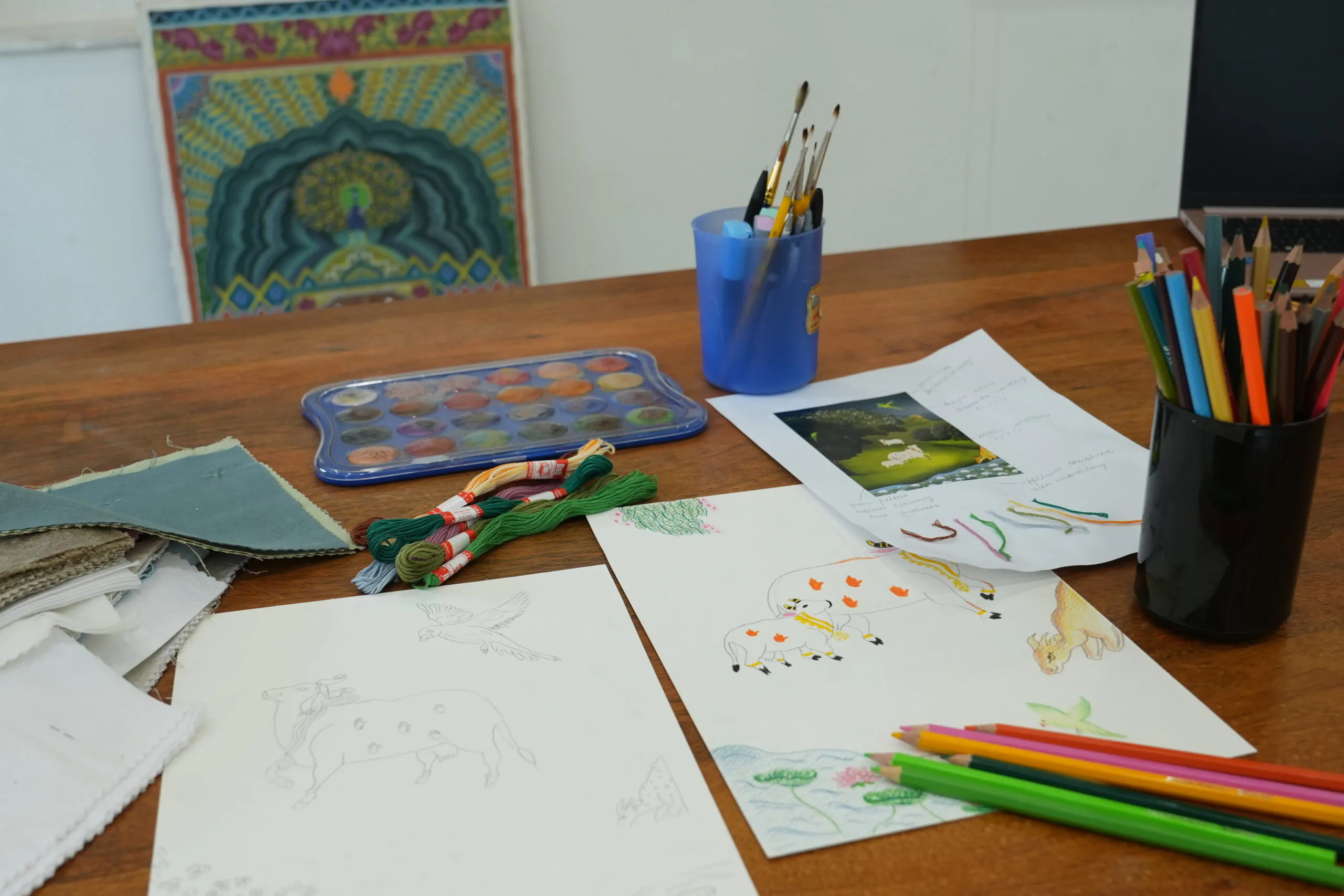
For architects, interior designers, and commercial developers, working with the right production partner is essential when planning customised textile installations. A Custom Textile Manufacturer USA can help translate a design concept into a finished textile product that meets specific project requirements.
Custom manufacturing is particularly important for large-scale projects where standard product dimensions may not fit the architectural space. Designers may require specific panel sizes, material combinations, colour matching, textile structures, or installation arrangements. A customised approach provides greater control over these details.
Manufacturing considerations also include material selection, sample development, finishing, quality checks, and installation requirements. For example, textile artwork intended for a hotel lobby may need different specifications from an installation designed for a private residence. Factors such as expected usage, maintenance, placement, and environmental conditions should be discussed during product development.
For international projects, clear communication about dimensions, materials, production timelines, packaging, and shipping is equally important. Architects and project managers should establish these requirements early to ensure that the finished textile artwork fits the intended space.
Popular Types of Bespoke Textile Installations in Modern Spaces
Textile installations are available in several artistic and architectural formats. The most suitable option depends on the scale of the space, design direction, material requirements, and intended visual effect.
Textile Wall Art: Large-scale woven and handcrafted wall artworks are popular for creating focal points in living rooms, hotel reception areas, restaurants, and corporate environments. Their textures and patterns can add depth to otherwise simple walls.
Sculptural Textile Installations: These artworks use layered fibres, knots, folds, and three-dimensional forms to create sculptural compositions. They are particularly suitable for spaces where designers want artwork to become an architectural feature.
Handwoven Textile Panels: Handwoven panels introduce visible craftsmanship and material variation. They can be designed in specific dimensions and colour combinations to complement contemporary interiors.
Suspended Textile Installations: Suspended fabric and fibre artworks can introduce movement and visual separation into larger spaces. Depending on the design and installation system, they may be used in hospitality environments, galleries, and creative workplaces.
Custom Embroidered Artwork: Embroidery allows designers to explore intricate patterns, layered details, and personalised compositions. It can be used for decorative panels, wall features, and artistic textile pieces.
These different formats demonstrate how textile art can move beyond conventional decoration and become an integrated element of architectural design.
How Textile Installations Improve the Look and Feel of Interior Spaces
One of the main reasons architects incorporate textile installations is their ability to change the atmosphere of a room. Textiles introduce softer visual elements that can balance hard architectural surfaces. When combined with materials such as timber, stone, glass, and metal, they create contrast and help establish a more layered interior composition.
Colour is another important design consideration. A customised textile artwork can complement existing furniture, flooring, wall finishes, and lighting. Designers may choose subtle neutral tones for minimalist interiors or expressive colours for spaces that require a stronger visual statement.
Texture also plays an important role. Woven structures, raised embroidery, layered fibres, and sculptural arrangements create surfaces that respond differently to natural and artificial lighting. This can add visual interest throughout the day as light and shadows change.
Some appropriately designed textile products may also contribute to acoustic comfort by helping absorb sound. However, acoustic performance depends on factors such as fibre density, thickness, backing materials, installation methods, and the overall acoustic design of the room. Textile artwork should not automatically be treated as a certified acoustic solution without supporting performance data.
The Role of Material Selection in Bespoke Textile Design
Material selection directly influences the appearance, durability, weight, texture, and maintenance requirements of a textile installation. Different fibres and fabric structures produce different results, making it important to select materials according to the project’s design and functional needs.
Natural fibres such as cotton, wool, linen, and jute can create distinctive textures and organic visual characteristics. Blended fibres and other textile materials may provide additional flexibility in colour, structure, and production. The appropriate choice depends on the desired finish and the environment in which the artwork will be installed.
For hospitality and commercial spaces, designers should consider maintenance requirements, exposure to sunlight, expected handling, and relevant fire-safety requirements. Residential projects may allow more flexibility in material selection, depending on the installation location.
Sampling is an important part of this process. Physical samples allow architects and designers to evaluate colour, texture, thickness, and material compatibility before approving a complete artwork. This reduces uncertainty and helps ensure that the finished installation aligns with the project’s original vision.
Why Personalised Textile Artwork Is Important for Hospitality and Commercial Projects
Hospitality and commercial environments increasingly use distinctive interiors to create memorable experiences. Hotels, restaurants, offices, and retail spaces need more than functional layouts; their interiors also communicate identity, atmosphere, and brand personality.
Bespoke textile installations provide a creative way to achieve this objective. A large textile artwork in a hotel reception can create a welcoming first impression, while customised wall panels in a restaurant can reinforce the overall interior theme. Corporate offices can use textile artwork to introduce colour, texture, and visual character into shared spaces.
For retail environments, customised textile installations can complement product displays and support a brand’s visual identity. In cultural spaces and galleries, they can also become part of the artistic experience.
Because each project has different dimensions and design requirements, bespoke manufacturing is particularly useful for commercial interiors. Architects can coordinate artwork with lighting, furniture, wall finishes, and circulation areas to create a more unified environment.
How Architects Can Plan a Successful Textile Installation
Planning a textile installation requires coordination between the architect, interior designer, artist, manufacturer, and installation team. The process should begin with understanding the space, identifying the intended purpose of the artwork, and determining how the textile element will interact with surrounding architectural features.
The next step involves developing the design concept. This includes deciding the dimensions, material palette, colour scheme, textile technique, and overall composition. Digital concepts and physical samples can help stakeholders understand how the artwork may look within the proposed environment.
Production planning should address technical requirements such as mounting systems, structural support, weight, finishing, maintenance, and transportation. Large-scale installations may require detailed coordination to ensure safe handling and accurate placement.
A practical planning process includes:
- Define the artwork’s purpose, location, and dimensions.
- Select suitable fibres, textures, and colours.
- Review design concepts and approve material samples.
- Confirm production, finishing, and quality requirements.
- Coordinate transportation and professional installation.
This structured approach helps minimise project delays and ensures that the textile installation complements the intended architectural design.
Why Choose Studio Ayni for Bespoke Textile Art?
Studio Ayni explores the relationship between textile craftsmanship, artistic expression, and contemporary interior spaces. The brand focuses on creating textile-based artistic solutions that bring individuality, texture, and visual depth to modern environments.
For architects, interior designers, hospitality brands, and commercial developers, customised textile artwork offers opportunities to move beyond standard decorative products. Every project can have its own creative direction, material preferences, dimensions, and visual requirements. A thoughtful approach to textile design helps ensure that artwork becomes a meaningful part of the interior rather than an unrelated decorative addition.
Studio Ayni aims to connect handcrafted textile aesthetics with the requirements of modern spaces. From exploring woven textures and layered compositions to developing customised textile concepts, the emphasis is on artistic individuality and material exploration.
Whether a project is located in the USA, the UK, Europe, or another international market, bespoke textile artwork can help designers create interiors with a distinctive identity. By considering the architectural context, material selection, craftsmanship, and installation requirements, Studio Ayni supports the growing interest in personalised textile-based design.
Conclusion
Bespoke textile installations are becoming an important creative element in contemporary architecture because they offer something that standard decorative products often cannot provide: individual artistic expression developed around a specific space. Their ability to introduce texture, warmth, colour, and visual depth makes them suitable for residential, hospitality, commercial, and cultural environments.
The growing demand for Bespoke Textile Art USA, Custom Textile Art UK, and Handmade Textile Art Europe reflects a wider interest in customised interiors and handcrafted design. At the same time, architects and project developers looking for a Custom Textile Manufacturer USA increasingly value material knowledge, production flexibility, quality control, and reliable project coordination.
Studio Ayni brings together textile artistry and contemporary design thinking to explore creative possibilities for modern interiors. By combining customised concepts, thoughtful material selection, and handcrafted details, textile installations can transform architectural spaces into more expressive, engaging, and memorable environments.