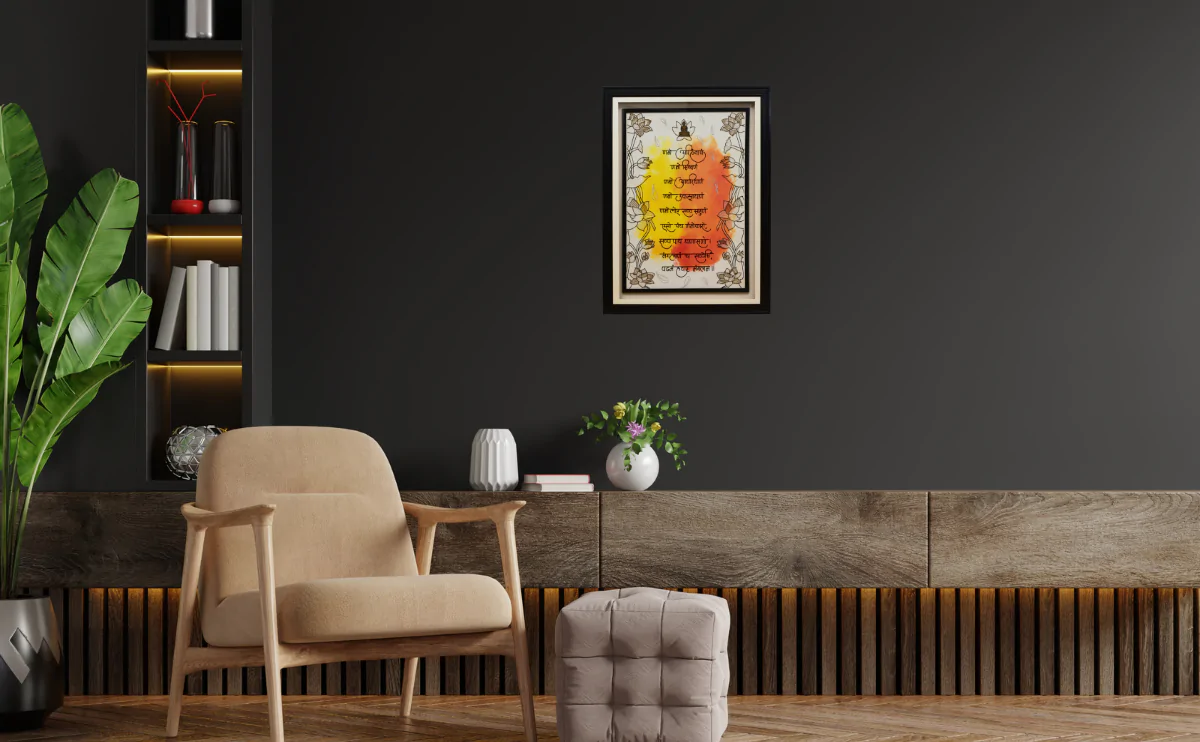

Blog
How to Mix and Match Art Styles in Interior Design

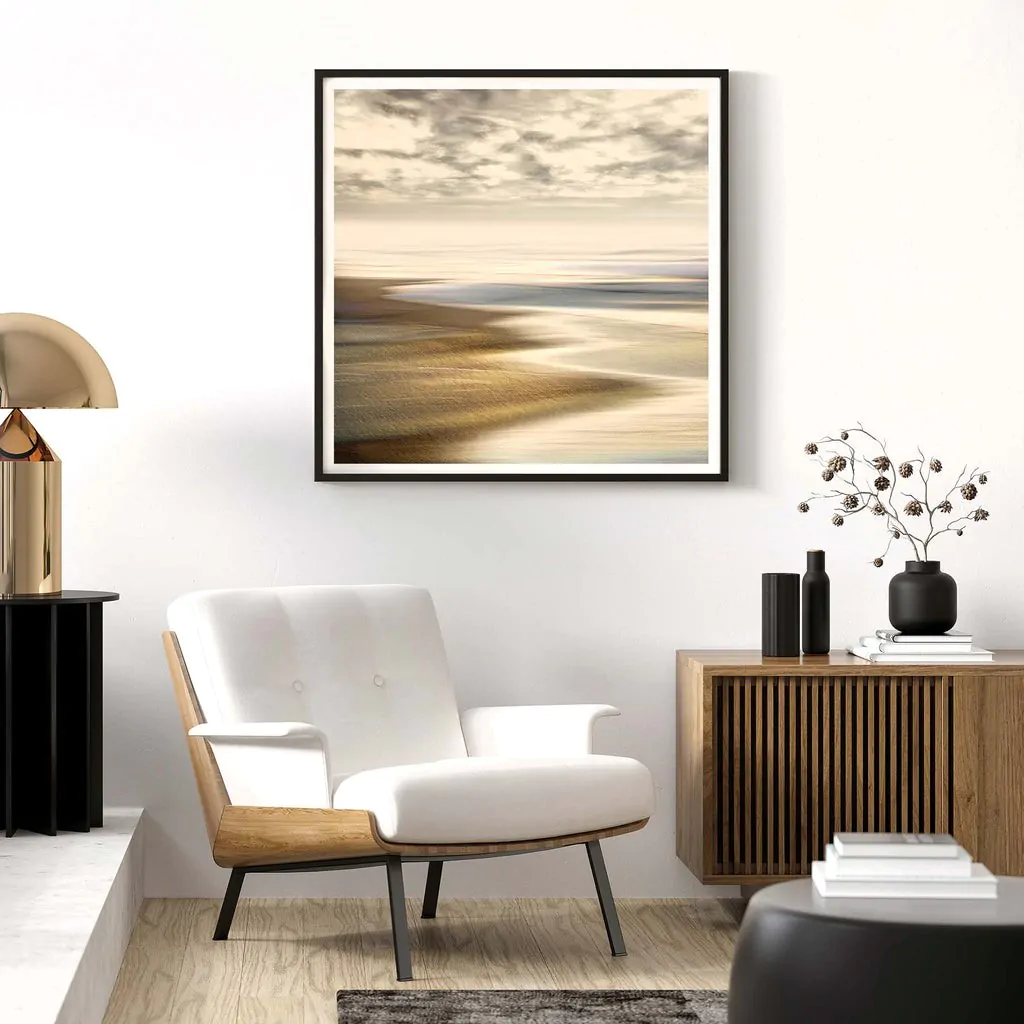
Interior design today is no longer about following a single rigid theme. Modern homes celebrate individuality, personality, and creativity. One of the most powerful ways to achieve this is by blending different Art for Interior styles in a balanced and thoughtful manner. Mixing art styles can transform a simple room into a dynamic, layered, and visually compelling space that tells a story. However, without proper planning, it can also feel chaotic. The key lies in understanding harmony, proportion, and purpose.
At Studio Ayni, we believe that every home deserves a curated artistic identity. Whether you are selecting Custom Art for Interior spaces or looking for the Best Custom Art for Interior concepts, the right combination of styles can redefine your living environment. In this comprehensive guide, we explore how to mix and match art styles strategically while maintaining elegance and coherence.
Why Mixing Art Styles Works in Modern Interiors
Blending different art styles adds depth and character to interiors. Instead of limiting your space to one aesthetic, combining contemporary paintings with vintage sketches or abstract art with traditional elements creates contrast and intrigue. The Top Art for Interior projects today often feature curated contrasts that reflect both modern taste and timeless charm.
When you combine styles thoughtfully, you allow each artwork to stand out while contributing to a larger narrative. The result is a home that feels personal rather than showroom-like. This approach works especially well for homeowners who appreciate multiple artistic influences but don’t want to commit to just one.
Start with a Dominant Style
One of the most important rules when mixing art styles is to establish a dominant theme. This acts as the visual anchor of your room. For example, if your living space leans toward contemporary minimalism, you can introduce traditional or abstract elements as accents rather than overpowering features.
Choosing a primary direction ensures that your Art for Interior selections feel intentional. The supporting styles should enhance, not compete with, the core aesthetic. At Studio Ayni, we often recommend beginning with a clear mood board to define the dominant artistic voice before layering additional elements.
Balance Through Color Harmony
Color is the invisible thread that ties different art styles together. Even if the art forms vary — such as modern photography paired with classical canvas paintings — a consistent color palette can create harmony.
For example:
- Use repeating accent colors across different artworks
- Match frame tones for cohesion
- Incorporate similar undertones in contrasting pieces
- Connect art colors with soft furnishings
When selecting Custom Art for Interior, consider how the hues interact with walls, furniture, and lighting. The secret to achieving the Best Custom Art for Interior arrangement lies not just in style but in tonal balance.
Mix Eras, Not Chaos
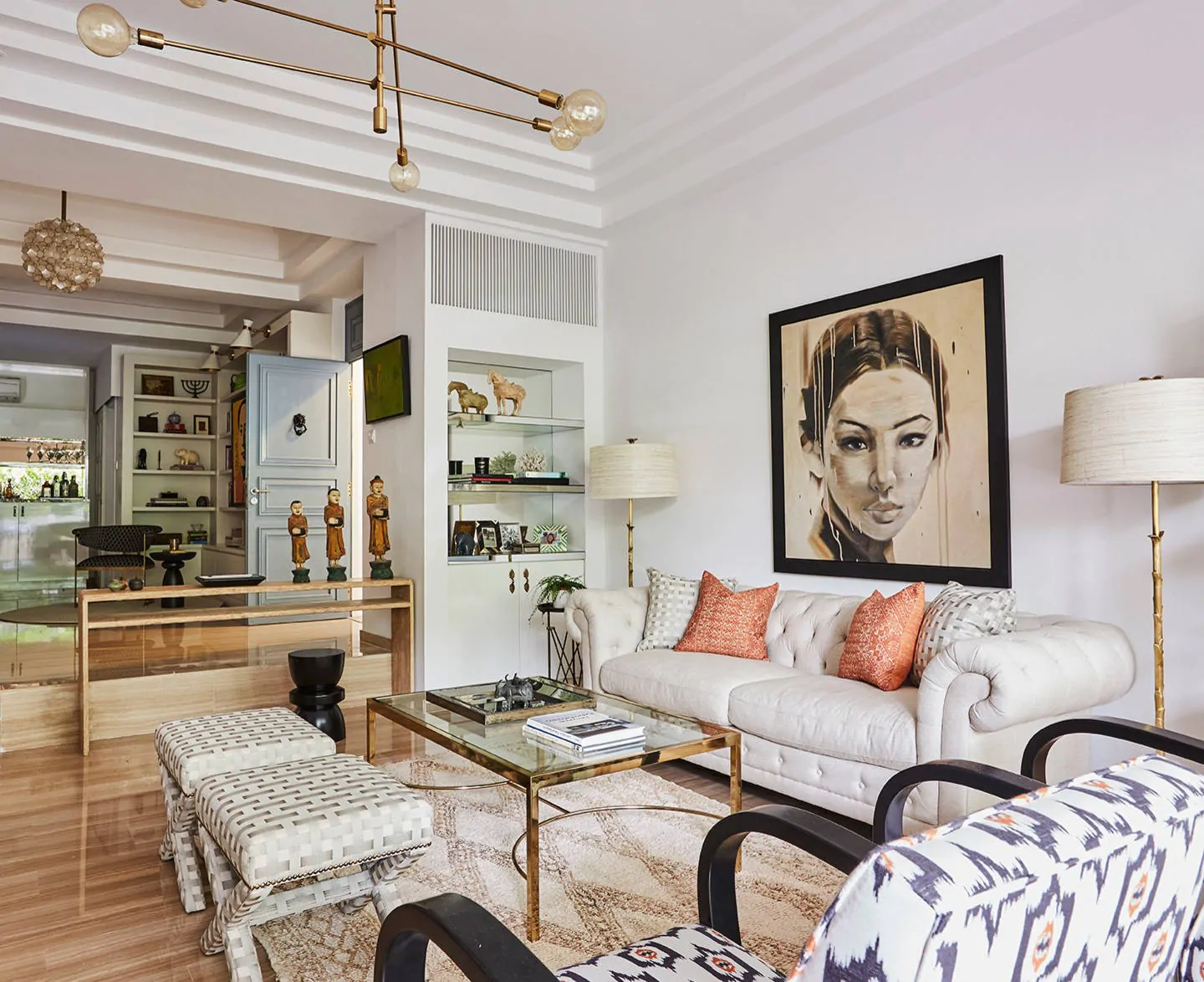
Blending art from different eras can produce a sophisticated look. A vintage portrait above a sleek modern console table creates dramatic contrast without looking mismatched. The key is to maintain structural consistency — such as aligning frames or maintaining proportional spacing.
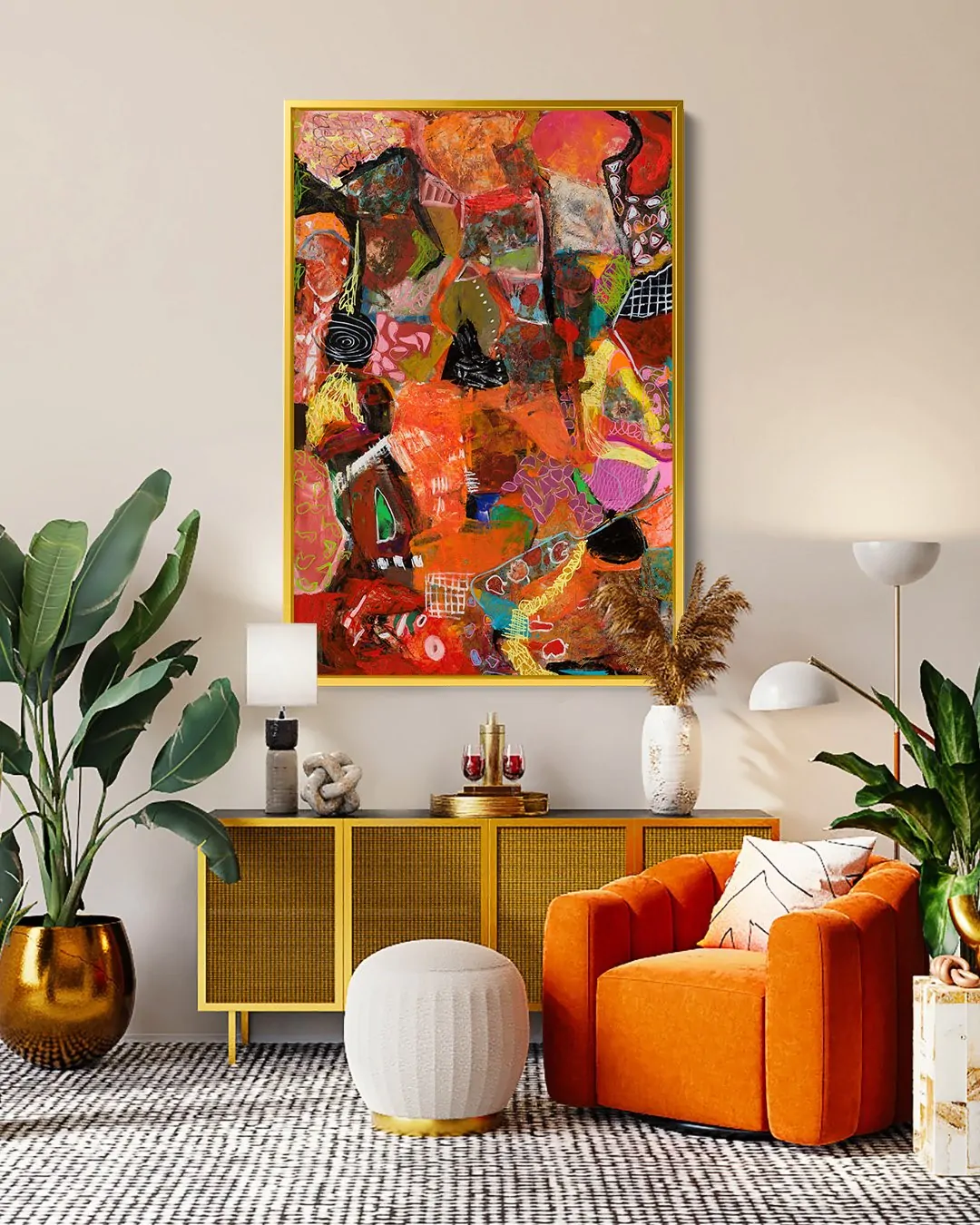
Avoid overcrowding walls with too many unrelated styles. Instead, curate pieces carefully. The goal is curated diversity, not visual clutter. Thoughtful spacing allows each artwork to breathe and command attention.
Layer Textures for Visual Depth
Art is not limited to paintings. Sculptures, textile art, metal installations, and mixed-media pieces all contribute to a multidimensional space. Layering textures is one of the most effective strategies for elevating Top Art for Interior designs.
For instance, pairing a smooth abstract painting with a textured wall hanging creates contrast in both sight and touch. This interplay of materials enhances sensory experience and adds warmth to the room. Studio Ayni often integrates textured Custom Art for Interior solutions to create depth beyond flat surfaces.
Create a Focal Point
Every room needs a focal point. When mixing styles, identify one standout piece that draws immediate attention. This could be a large abstract canvas, a bold sculptural installation, or a striking gallery wall.
Once the focal artwork is chosen, surrounding pieces should complement rather than compete. The arrangement should guide the eye naturally around the space. A well-planned focal design transforms diverse art into a cohesive visual journey.
Use Frames and Presentation Strategically
Frames play a crucial role in unifying mixed art styles. Even if artworks differ significantly, consistent framing can create order. For example, black frames for all pieces instantly tie together eclectic artworks.
Alternatively, you can deliberately contrast frames to highlight stylistic differences — but this must be done carefully. The Best Custom Art for Interior designs often consider frame material, thickness, and finish as integral design elements rather than afterthoughts.
Consider Scale and Proportion
When combining multiple art styles, scale becomes essential. Oversized art works beautifully in modern interiors, while smaller, detailed pieces suit classic spaces. Mixing both can create visual hierarchy.
Place larger pieces at eye level and arrange smaller works around them. Proportion ensures that the space feels balanced rather than overwhelming. At Studio Ayni, we emphasize spatial planning before finalizing art placements to maintain equilibrium.
Blend Personal and Statement Pieces
Interior design is deeply personal. Incorporating family photographs, travel sketches, or commissioned artwork alongside statement pieces creates emotional connection. This is where Custom Art for Interior truly shines.
Personalized artwork ensures your home reflects your story. Combining these with curated gallery pieces elevates the overall design without losing authenticity. The Top Art for Interior trends today celebrate individuality over uniformity.
Four Key Principles for Mixing Art Styles
- Define Your Core Theme
- Choose one dominant design direction
- Let secondary styles complement it
- Avoid equal visual competition
- Maintain consistent mood
- Maintain Color Consistency
- Repeat accent shades
- Match frame finishes
- Balance warm and cool tones
- Connect art with décor elements
- Play with Texture and Scale
- Combine flat and dimensional art
- Mix large and small pieces
- Layer materials thoughtfully
- Keep spacing intentional
- Focus on Visual Flow
- Create a central focal point
- Arrange art at eye level
- Guide movement across walls
- Avoid overcrowding
How Studio Ayni Curates Mixed Art Interiors
At Studio Ayni, we approach every project with artistic storytelling at its core. Our design philosophy centers around curated diversity — blending modern, traditional, abstract, and contemporary elements seamlessly. We understand that selecting the Best Custom Art for Interior is not just about trends but about reflecting the client’s personality.
Our team carefully studies spatial proportions, lighting conditions, and architectural details before recommending art combinations. Whether designing residential living rooms, luxury bedrooms, or creative workspaces, we integrate Art for Interior elements that enhance emotional resonance and aesthetic sophistication.
From selecting textures to crafting personalized installations, Studio Ayni ensures every piece contributes meaningfully to the overall design. Our expertise in creating Top Art for Interior concepts allows us to merge contrasting styles while preserving harmony.
Common Mistakes to Avoid
While mixing art styles can be rewarding, avoid these pitfalls:
- Overcrowding walls with too many competing pieces
- Ignoring color balance
- Choosing mismatched proportions
- Forgetting the room’s overall theme
Strategic restraint is just as important as creativity. Thoughtful editing enhances impact.
Conclusion
Mixing and matching art styles in interior design is an art form in itself. When done thoughtfully, it creates dynamic, personalized, and visually stunning spaces. By focusing on color harmony, scale, texture, and focal points, you can combine diverse artistic expressions without sacrificing balance.
At Studio Ayni, we believe that interiors should reflect individuality while maintaining refined elegance. Through carefully curated Custom Art for Interior solutions and innovative styling techniques, we help homeowners achieve cohesive yet expressive spaces. Whether you are exploring Art for Interior inspiration or searching for the Best Custom Art for Interior, the key lies in intentional design and artistic storytelling.
Blending styles is not about breaking rules — it’s about understanding them well enough to create something beautifully unique.
FAQ
- Can I mix modern and traditional art in the same room?
Yes, combining modern and traditional art creates contrast and depth. Ensure a shared color palette or framing style for cohesion. - How do I choose the Best Custom Art for Interior spaces?
Consider your room’s theme, color scheme, and emotional atmosphere. Personalized art often adds stronger character than generic pieces. - What is the safest way to mix multiple art styles?
Start with one dominant style, then introduce complementary pieces gradually to avoid overwhelming the space. - Does Custom Art for Interior increase property value?
While art primarily enhances aesthetics, well-curated interiors can improve perceived value and overall appeal.