
Blog
How to Choose the Right Bespoke Textile Art for Your Space

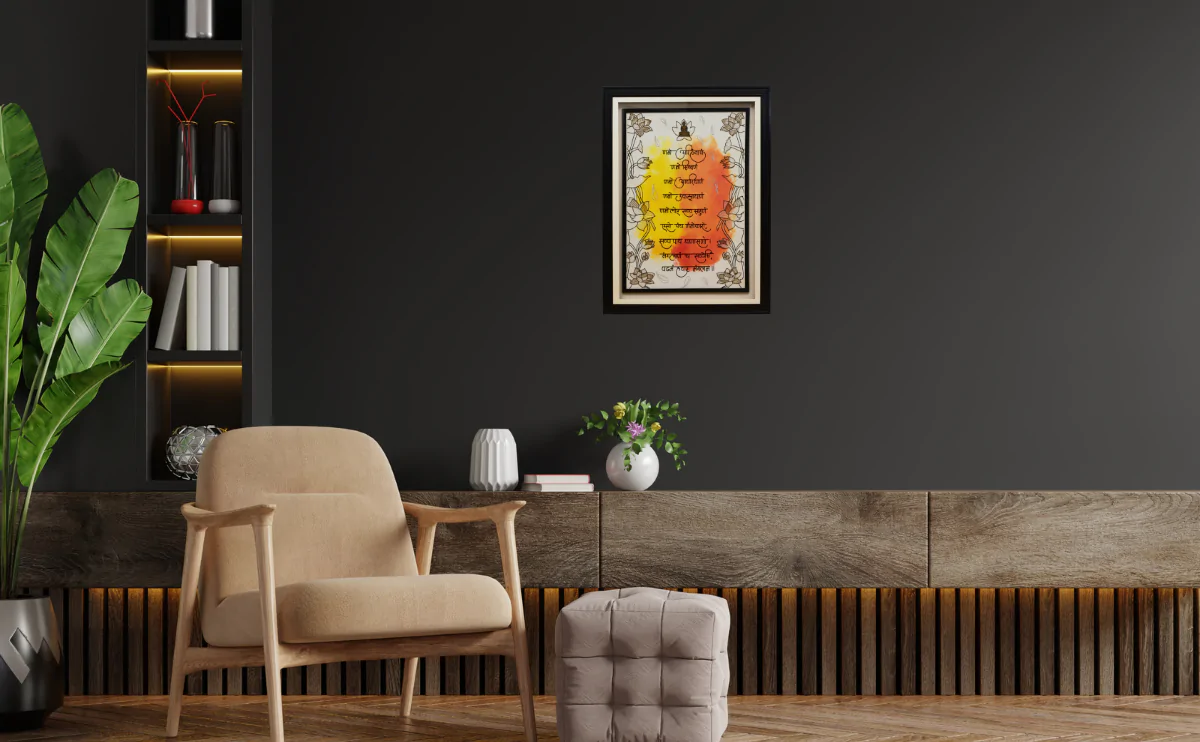
Interior design is no longer limited to furniture, paint colors, and decorative accessories. Today, homeowners, architects, interior designers, and commercial property owners are increasingly incorporating artistic elements that reflect personality, culture, and creativity. Among the most sophisticated and impactful design choices available today is Bespoke Textile Art. Unlike mass-produced wall décor, textile art introduces texture, depth, craftsmanship, and individuality into a space, creating a visual experience that feels both personal and luxurious. Whether displayed in a contemporary apartment, a luxury residence, a boutique hotel, or a corporate environment, textile art can transform ordinary walls into captivating focal points that tell a story.
The growing appreciation for handcrafted artistry has fueled demand for Custom Textile Art, Luxury Textile Art, and Handmade Textile Art across residential and commercial interiors. Textile-based artwork offers a unique combination of artistic expression and tactile beauty that traditional paintings often cannot achieve. At Studio Ayni, we believe every space deserves artwork that reflects its character and purpose. Our bespoke textile creations are carefully designed to complement diverse interiors while celebrating craftsmanship, texture, and artistic innovation. Understanding how to choose the right Textile Wall Art can help create interiors that feel balanced, sophisticated, and truly distinctive.
Understanding Bespoke Textile Art
Bespoke Textile Art refers to custom-designed textile creations developed specifically for a particular space, client, or design vision. Unlike ready-made artwork, bespoke pieces are tailored to complement architectural elements, interior themes, color palettes, and personal preferences.
The beauty of bespoke textile art lies in its exclusivity. Each piece is thoughtfully created to suit the environment where it will be displayed, ensuring harmony between the artwork and surrounding design elements.
This customized approach allows homeowners and designers to achieve highly personalized interiors that stand apart from conventional decorating solutions.
Why Textile Art Is Becoming a Preferred Interior Design Element
Modern interior design increasingly emphasizes texture, authenticity, and craftsmanship. While paint, furniture, and lighting establish the foundation of a room, artwork adds personality and emotional depth.
Textile art introduces dimensionality that flat artwork cannot easily provide. The layering of fibers, fabrics, embroidery, weaving techniques, and handcrafted details creates visual interest that changes with lighting and perspective throughout the day.
As a result, Textile Wall Art has become a popular choice for designers seeking sophisticated and memorable interiors.
The Unique Appeal of Handmade Textile Art
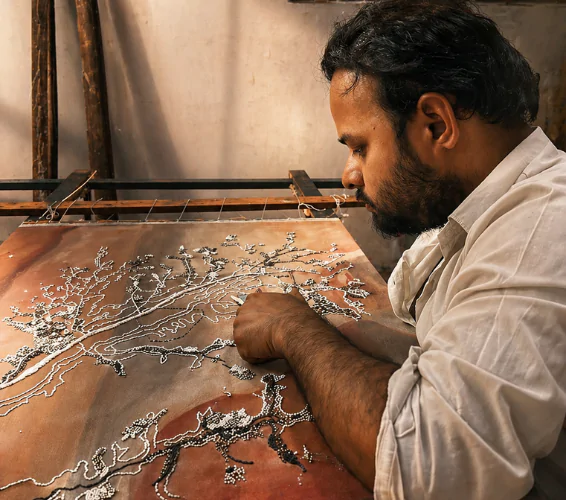
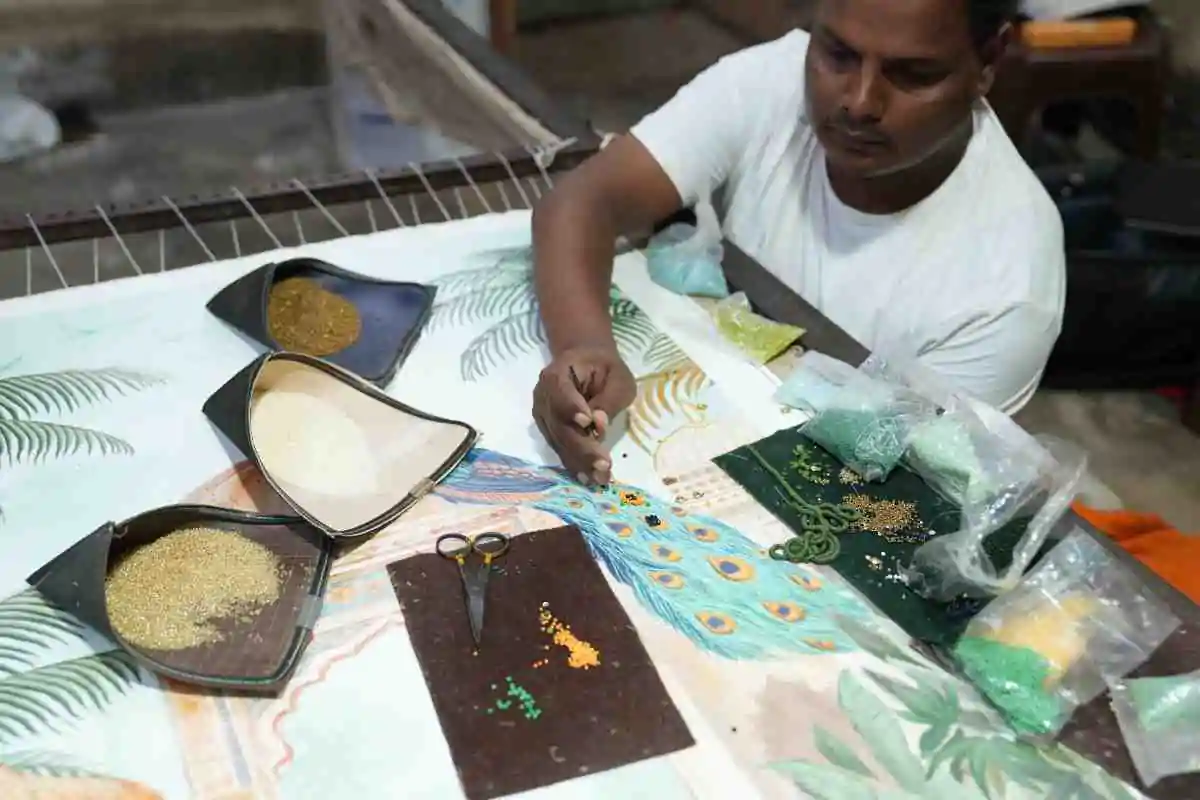
One of the greatest strengths of Handmade Textile Art is its ability to showcase craftsmanship and artistic authenticity. Every stitch, weave, knot, and texture reflects the skill and creativity of the artisan.
Unlike mass-produced décor items, handmade textile art possesses subtle variations and details that make each piece unique. These characteristics contribute to a sense of individuality and exclusivity that many homeowners value.
Handmade creations often carry emotional significance as well, adding warmth and human connection to interior spaces.
Defining the Purpose of Your Space
Before selecting textile artwork, it is important to consider the function and atmosphere of the room. Different spaces require different artistic approaches.
A living room may benefit from a dramatic statement piece that becomes a conversation starter. A bedroom may call for softer textures and calming colors that promote relaxation. Commercial environments may require artwork that reflects brand identity while creating a welcoming atmosphere.
Understanding the purpose of the space helps guide decisions regarding scale, color, style, and composition.
Considering Architectural Features
Architecture plays a significant role in determining which textile artwork will be most effective. Ceiling height, wall dimensions, natural light, and structural details all influence how artwork is perceived.
Large walls often accommodate oversized textile installations that create visual impact. Smaller areas may benefit from more refined compositions that enhance intimacy without overwhelming the room.
At Studio Ayni, we carefully evaluate architectural elements to ensure each bespoke artwork integrates seamlessly into its environment.
Choosing the Right Size and Scale
Scale is one of the most important considerations when selecting Custom Textile Art. Artwork that is too small may appear insignificant, while oversized pieces can dominate a space unnecessarily.
The dimensions of surrounding furniture, wall size, and viewing distance should all influence artwork selection. Large statement pieces often work well in open-plan living areas, hotel lobbies, and corporate environments.
Balanced proportions help create harmony and ensure the artwork contributes positively to the overall design.
Selecting Colors That Complement Your Interior
Color significantly influences mood and visual cohesion. When choosing textile art, it is important to consider existing color palettes within the space.
Some homeowners prefer artwork that blends seamlessly with surrounding décor through complementary tones. Others choose contrasting colors to create dramatic focal points and visual excitement.
Because Luxury Textile Art is often custom-designed, colors can be tailored precisely to match interior design objectives and personal preferences.
Understanding Texture and Material Choices
Texture is one of the defining characteristics of textile art. Different fibers, fabrics, and techniques produce distinct visual and tactile effects.
Natural fibers such as wool, cotton, silk, linen, and jute each contribute unique qualities. Some create softness and warmth, while others offer structure and visual depth.
Selecting appropriate materials ensures that the artwork aligns with both aesthetic goals and practical considerations such as durability and maintenance.
Matching Textile Art to Interior Design Styles
Every interior design style presents unique opportunities for incorporating textile art.
Contemporary interiors often benefit from minimalist compositions, abstract forms, and neutral palettes. Traditional spaces may embrace intricate patterns, rich textures, and heritage-inspired craftsmanship. Bohemian interiors frequently feature layered textures and artisanal influences.
Choosing artwork that complements the overall design language helps create cohesive and visually satisfying interiors.
Creating Focal Points with Textile Wall Art
Effective interior design often relies on focal points that draw attention and establish visual hierarchy. Textile Wall Art can serve this purpose exceptionally well.
A carefully positioned textile installation immediately attracts attention while adding depth and character to a room. The interplay of texture, color, and craftsmanship creates an engaging visual experience that enhances overall design quality.
Strategic placement maximizes impact and ensures the artwork becomes an integral part of the space.
The Role of Bespoke Art in Luxury Interiors
Luxury interiors prioritize exclusivity, personalization, and exceptional quality. Luxury Textile Art aligns perfectly with these values by offering one-of-a-kind creations tailored to individual tastes.
Custom textile installations elevate interiors by introducing artistic sophistication and handcrafted elegance. Their unique nature enhances perceived value while reinforcing a sense of distinction and refinement.
Many luxury residences, boutique hotels, and premium commercial spaces incorporate bespoke textile art to create memorable environments.
Sustainability and Conscious Design
Sustainability has become an increasingly important consideration in interior design. Many clients seek products and materials that align with environmentally responsible practices.
Handcrafted textile art often supports sustainable design through the use of natural fibers, traditional techniques, and small-scale production methods. Choosing bespoke creations can also reduce reliance on mass-produced décor items.
This emphasis on craftsmanship and sustainability appeals to clients seeking meaningful and responsible design solutions.
The Importance of Customization
Customization allows artwork to become a true reflection of the client’s personality and vision. Every detail—from dimensions and color palettes to textures and composition—can be tailored to suit specific requirements.
This flexibility ensures that the final piece complements architectural features, interior themes, and functional needs perfectly.
At Studio Ayni, customization is central to our creative process, enabling us to produce textile artworks that feel deeply connected to the spaces they inhabit.
Why Bespoke Textile Art Is a Long-Term Investment
Quality artwork offers value that extends beyond decoration. Bespoke textile art contributes to the overall character and uniqueness of a space while providing lasting aesthetic enjoyment.
Unlike trend-driven décor items that may quickly lose relevance, thoughtfully designed textile artworks possess timeless appeal. Their handcrafted nature, artistic quality, and custom design contribute to enduring value.
Investing in bespoke art allows homeowners and businesses to create environments that remain distinctive and meaningful for years to come.
Why Choose Studio Ayni
At Studio Ayni, we specialize in creating exceptional Bespoke Textile Art that celebrates craftsmanship, texture, and artistic expression. Our approach combines contemporary design sensibilities with traditional textile techniques to produce unique works tailored to each client’s vision.
Whether you are seeking Custom Textile Art for a luxury residence, a commercial environment, a hospitality project, or a creative workspace, we offer personalized solutions designed to complement your interior perfectly.
Our commitment to quality, innovation, and artistry enables us to create Luxury Textile Art, Handmade Textile Art, and Textile Wall Art that transforms spaces into inspiring environments filled with character and beauty.
Conclusion
Choosing the right Bespoke Textile Art involves careful consideration of architecture, interior style, scale, color, texture, and personal expression. When selected thoughtfully, textile art becomes much more than decoration—it becomes an integral component of the space, enhancing atmosphere, creating focal points, and reflecting individuality.
From handcrafted wall installations and custom-designed compositions to luxurious statement pieces, Custom Textile Art offers endless opportunities for personalization and creativity. Its combination of texture, craftsmanship, and visual impact makes it one of the most compelling forms of contemporary interior art.
At Studio Ayni, we are passionate about helping clients discover the transformative power of Handmade Textile Art. Through thoughtful design, premium materials, and artistic expertise, we create bespoke textile works that bring elegance, warmth, and lasting beauty to every space.
FAQs
1. What is bespoke textile art and how is it different from regular wall décor?
Bespoke Textile Art is custom-designed artwork created specifically for a particular space, style, or client requirement. Unlike mass-produced wall décor, it is tailored in terms of size, color, texture, and design. This personalized approach ensures uniqueness while enhancing the overall character and aesthetic appeal of interiors.
2. Why is textile wall art becoming popular in modern interior design?
Textile Wall Art adds texture, depth, and visual interest that traditional artwork often cannot provide. It creates warmth and sophistication while complementing different interior styles. Designers and homeowners appreciate its handcrafted nature, artistic value, and ability to transform ordinary walls into distinctive design features.
3. How do I choose the right custom textile art for my space?
When selecting Custom Textile Art, consider factors such as room size, wall dimensions, interior style, color palette, lighting, and the desired atmosphere. The artwork should complement existing décor while serving as a focal point. Professional design consultation can help ensure the perfect artistic and visual balance.
4. Is luxury textile art suitable for commercial spaces?
Yes, Luxury Textile Art is widely used in hotels, offices, restaurants, galleries, and other commercial environments. Bespoke textile installations enhance brand identity, create memorable visitor experiences, and add sophistication to interiors. Their unique craftsmanship and visual impact make them valuable additions to premium commercial spaces.
5. Why choose Studio Ayni for handmade textile art?
Studio Ayni specializes in creating premium Handmade Textile Art that combines artistic innovation with exceptional craftsmanship. Each piece is thoughtfully designed to reflect the client’s vision and complement the surrounding space. Their bespoke approach ensures unique, high-quality textile artworks that bring elegance, texture, and personality to interiors.