Blog
How to Select Custom Textile Art for Large Wall Spaces


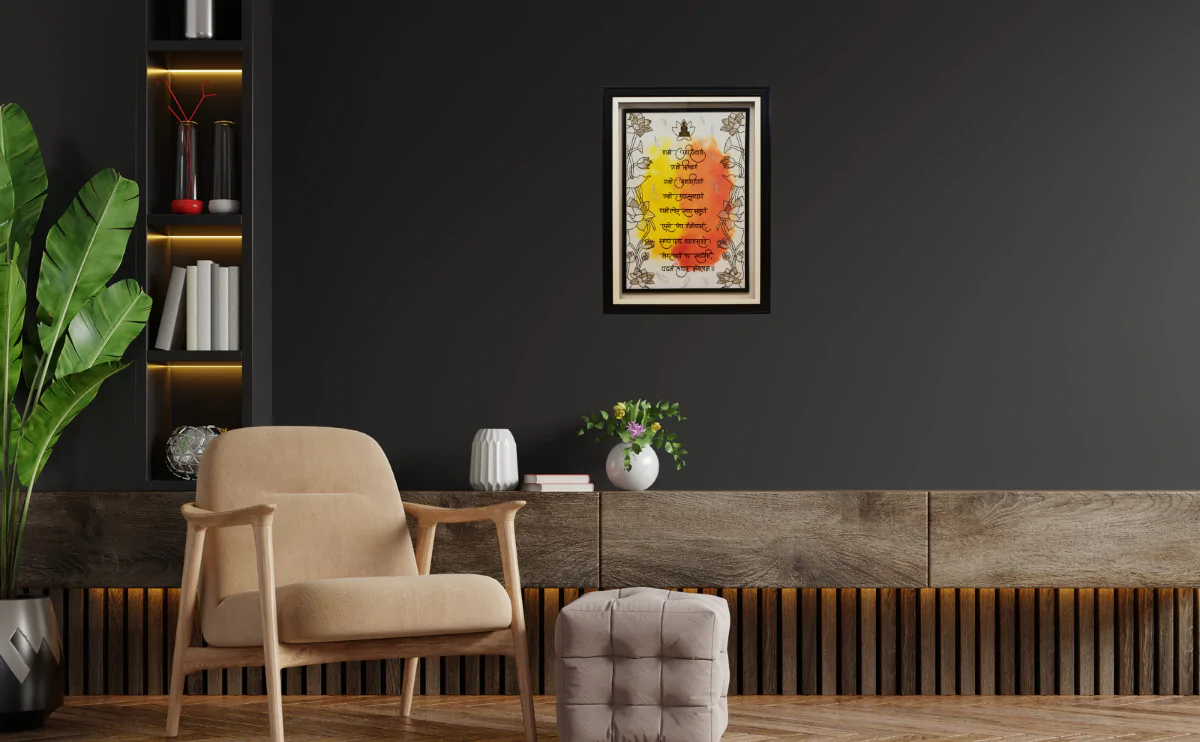
Large wall spaces offer an excellent opportunity to introduce creativity, texture, colour, and personality into interior environments. Whether it is a spacious living room, a luxury hotel lobby, a corporate office, a boutique retail store, or a contemporary hospitality project, the right wall treatment can completely change how a space looks and feels. While paintings, wallpapers, and conventional decorative panels remain popular choices, custom textile art is gaining attention among architects, interior designers, and property owners looking for something distinctive. Textile artwork combines material, craftsmanship, pattern, and artistic expression to create visually engaging surfaces that can complement different architectural styles. Unlike mass-produced wall decorations, bespoke textile pieces can be developed according to specific dimensions, colour palettes, design concepts, and interior requirements.
Choosing the right textile artwork for a large wall requires more than selecting an attractive design. It involves understanding the proportions of the wall, the surrounding furniture, lighting conditions, material characteristics, installation requirements, and the overall design language of the interior. Custom textile art can introduce subtle elegance into minimalist spaces or become a striking focal point in more expressive interiors. Businesses and designers exploring Bespoke Textile Art USA, Custom Textile Art UK, and Handmade Textile Art Europe are increasingly interested in personalised artwork that reflects their project’s architectural identity. Studio Ayni brings together artistic thinking, material exploration, and bespoke design possibilities to help create distinctive textile art experiences for contemporary interiors.
Understand the Purpose of the Large Wall Space
Before selecting custom textile art, it is important to understand the purpose of the wall within the overall interior design. Some walls are naturally positioned as focal points, while others provide an opportunity to introduce visual balance into a room. A large wall behind a reception desk, above a living room sofa, or along a hotel corridor can become an important design feature when treated thoughtfully. The artwork should complement the function of the space instead of appearing like an unrelated decorative addition.
For example, a large wall in a residential living room may benefit from a textured textile installation that adds warmth and character. A hotel lobby may require a more expressive artwork that creates a memorable first impression. Corporate environments may benefit from structured patterns, neutral colours, or contemporary textile compositions that align with the brand identity. Understanding the purpose of the wall helps determine the appropriate artwork style, scale, material, and visual impact.
Choose the Right Size and Proportion for Custom Textile Art
Size is one of the most important factors when selecting textile artwork for large wall spaces. An artwork that is too small may look disconnected from the surrounding architecture, while an oversized installation may dominate the room and affect its visual balance. The objective is to create a composition that feels proportionate to the wall, furniture, ceiling height, and overall dimensions of the space.
Interior designers should begin by measuring the available wall area and identifying any architectural elements such as windows, doors, lighting fixtures, columns, or wall recesses. These measurements help determine whether a single large textile artwork, multiple connected panels, or a layered installation would be more suitable. Custom textile art offers flexibility because designs can be developed around the exact dimensions and requirements of a project.
For large commercial spaces, modular textile panels can also provide an effective solution. Multiple sections can work together to create a continuous visual composition while maintaining flexibility during transportation and installation. Studio Ayni encourages a considered approach to scale and composition so that textile artwork complements the architecture rather than overwhelming it.
Select Colours That Complement the Interior Design
Colour plays an important role in how textile artwork interacts with a room. The right colour combination can create harmony between walls, furniture, flooring, lighting, and decorative accessories. Before finalising a custom textile design, consider the existing colour palette of the interior and decide whether the artwork should blend with its surroundings or create a contrasting focal point.
Neutral shades such as beige, ivory, taupe, grey, and earthy tones can work beautifully in minimalist and contemporary interiors. Richer colours, layered tones, and contrasting combinations can introduce visual depth into hospitality spaces, creative offices, and statement residential environments. The choice should also consider the natural and artificial lighting available in the room, as lighting can influence how colours and textures appear throughout the day.
When developing bespoke textile art, designers can explore custom colour combinations that align with furniture, architectural finishes, and the project’s design direction. This level of flexibility makes textile artwork particularly valuable for personalised interior projects.
Explore Different Textures and Textile Materials
Texture is one of the defining characteristics of textile art. It creates a visual and tactile experience that differs from traditional flat wall decorations. Woven surfaces, layered fibres, raised patterns, embroidery, and mixed-material compositions can introduce depth and dimension to large walls. Depending on the artistic approach, textile artwork can appear subtle and refined or bold and sculptural.
Material selection should be based on the desired appearance, installation environment, maintenance requirements, and longevity expectations. Natural fibres, blended textiles, and other suitable materials can be considered according to the artwork’s intended purpose. Wool, cotton, linen, and other textile materials may offer different textures and visual characteristics. Designers should also consider how the material responds to light, humidity, dust, and regular environmental conditions.
For projects involving large textile installations, it is important to understand the weight, backing, structural support, and mounting requirements of the selected material. Working with an experienced Custom Textile Manufacturer USA can help designers understand the practical aspects of developing and producing artwork for specific interior applications.
Why Bespoke Textile Art USA Is Becoming Relevant in Modern Interiors
The demand for personalised interior elements is creating new opportunities for bespoke textile artwork in the American design market. Architects, interior designers, hospitality developers, and homeowners are increasingly interested in custom features that distinguish their projects from standard interior environments. Large textile installations can contribute to this objective by introducing material depth, artistic expression, and project-specific visual identity.
Bespoke Textile Art USA is a relevant search category for customers and design professionals looking for artwork developed around specific architectural spaces. Unlike standard decorative products, bespoke pieces can be planned according to wall dimensions, preferred colours, material selections, patterns, and overall project requirements. This makes them suitable for residential interiors, boutique hotels, luxury hospitality spaces, commercial offices, and creative environments.
For international buyers, choosing a suitable textile art studio or manufacturing partner involves reviewing artistic capabilities, material options, customisation possibilities, production timelines, and installation considerations. Studio Ayni focuses on bespoke textile design possibilities that align with contemporary interior requirements, helping bring distinctive artistic concepts into physical spaces.
Consider Custom Textile Art UK for Contemporary Interior Projects
The UK interior design market includes a wide range of architectural styles, from traditional residences and heritage properties to contemporary apartments, boutique hotels, and commercial developments. Custom textile artwork can complement these different environments by introducing unique textures, patterns, and material combinations. Designers may choose understated textile panels for classic interiors or more experimental compositions for modern architectural projects.
Custom Textile Art UK is an important search phrase for designers, architects, and property owners exploring personalised artwork for interior environments. Bespoke textile pieces can be developed to suit particular room dimensions, colour schemes, and design themes. For example, a textile installation in a contemporary London office may use structured patterns and restrained colours, while a boutique hospitality project may benefit from layered textures and expressive material combinations.
When selecting artwork for UK interiors, designers should consider the building’s character, available wall space, natural lighting, and intended atmosphere. Customisation makes it possible to develop artwork that responds to the unique requirements of each project instead of relying entirely on standard decorative products.
The Artistic Value of Handmade Textile Art Europe
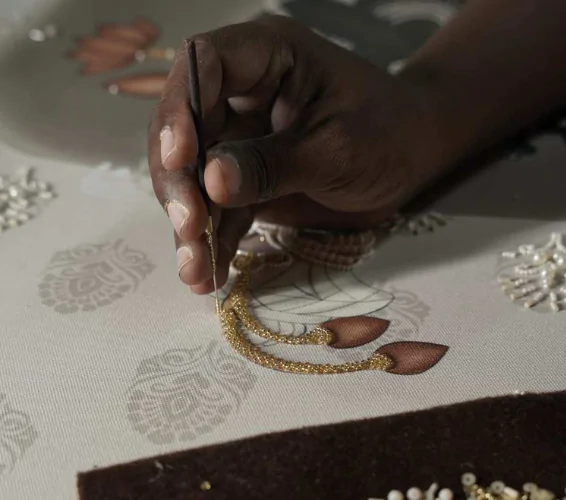
Handmade textile art brings a distinct creative dimension to interior design because it involves material knowledge, craftsmanship, and artistic expression. Handmade techniques can introduce subtle variations, layered details, and tactile qualities that make each piece visually distinctive. These characteristics appeal to designers looking for artwork that communicates individuality and adds depth to an interior environment.
Handmade Textile Art Europe represents an interesting area of the international art and interior décor market, where material craftsmanship and contemporary design can come together. European interior projects often include a wide range of design influences, from minimal Scandinavian-inspired spaces to expressive contemporary hospitality environments. Textile artwork can adapt to these different styles through the use of colour, composition, texture, and material selection.
Handmade textile pieces can also become meaningful design features in residential spaces, galleries, boutique hotels, and commercial interiors. Their value lies not only in decoration but also in the artistic process, the selection of materials, and the attention given to composition. Studio Ayni recognises the role of textile craftsmanship in creating artwork that contributes to the character and identity of a space.
Match Textile Artwork with the Architectural Style
Custom textile art should feel connected to the architecture of the space. A carefully selected installation can strengthen the design language of a room, while an unsuitable style may create visual inconsistency. For example, contemporary interiors often work well with abstract compositions, geometric patterns, layered textures, and restrained colour palettes. Traditional spaces may benefit from intricate textile detailing, softer tones, or designs that complement existing architectural features.
In hospitality projects, textile installations can be used to create a distinctive atmosphere in reception areas, corridors, lounges, and guest spaces. In residential projects, artwork can connect different elements of the interior, including furniture, lighting, rugs, and wall finishes. Commercial spaces may use textile artwork to communicate creativity and establish a recognisable visual identity.
The most successful installations are those that consider the relationship between artwork and architecture from the beginning of the design process. This helps ensure that dimensions, material choices, colours, and installation methods work together as part of a cohesive interior concept.
Use Lighting to Enhance the Beauty of Textile Wall Art
Lighting can significantly influence how textile artwork is experienced. Natural light may highlight subtle variations in colour and material, while carefully positioned artificial lighting can emphasise raised textures, woven patterns, and layered surfaces. Before selecting the final artwork, designers should understand the direction, intensity, and availability of light across the wall.
Wall washers, directional spotlights, and concealed lighting can be considered depending on the installation’s design and material. Soft lighting may create a calm and inviting appearance, while directional lighting can bring attention to the three-dimensional details of textured textile compositions. However, lighting should be planned carefully to avoid unwanted shadows, glare, or uneven illumination.
Material sensitivity is another important consideration. Some textiles may require protection from prolonged direct sunlight to reduce the possibility of fading or deterioration. Choosing suitable materials and planning lighting together can help maintain the visual appeal of textile artwork over time.
Why Interior Designers Choose Custom Textile Manufacturers
Working with an experienced manufacturer or textile art studio can make the development process more organised. Large wall installations often require careful coordination between design, material selection, measurements, production, finishing, and installation. A professional manufacturing partner can help translate creative concepts into artwork that meets practical and aesthetic requirements.
When evaluating a Custom Textile Manufacturer USA, buyers should consider the ability to develop customised dimensions, work with different materials, maintain production consistency, and communicate clearly throughout the project. It is also important to discuss sample development, design approvals, production timelines, packaging, shipping, and installation requirements.
For international projects, designers should clarify whether the supplier offers design development, fabrication, export coordination, or installation guidance. These details can help avoid misunderstandings and ensure that the final artwork is appropriate for the intended wall space. A structured production process is particularly important when working on large-scale installations or multiple pieces for the same property.
Custom Textile Panels for Large Residential and Commercial Walls
Textile panels offer an adaptable approach to decorating large wall spaces. Instead of using a single continuous artwork, designers can create multiple sections that work together as a coordinated composition. This method allows greater flexibility in terms of dimensions, arrangement, patterns, and installation planning.
In residential settings, textile panels can be used behind beds, above living room furniture, or along large hallway walls. In commercial environments, they can create visual features in reception areas, meeting rooms, hotel lobbies, and hospitality spaces. Depending on the design, panels may introduce subtle textures or function as prominent artistic installations.
Custom panels also provide opportunities to explore repeated patterns, contrasting colours, layered surfaces, and different material combinations. For larger projects, modular planning can simplify transportation and installation while making it easier to adapt the composition to the available wall dimensions.
Evaluate Maintenance, Durability, and Installation Requirements
An attractive textile artwork should also be suitable for its intended environment. Large wall installations may be exposed to dust, sunlight, humidity, and regular contact depending on their location. Therefore, maintenance and durability should be discussed before selecting the final material and construction method.
Designers should ask about recommended cleaning procedures, material sensitivity, backing options, mounting systems, and expected care requirements. Textile artwork installed in a hotel lobby or commercial reception area may require different considerations from a decorative piece in a private residence. The surrounding environment should influence both material selection and installation planning.
Structural support is particularly important for large and heavy textile pieces. Depending on the design, the artwork may require a suitable frame, mounting structure, support panel, or specialised hanging system. Proper installation planning helps maintain alignment and reduces the risk of damage during use.
How Studio Ayni Approaches Bespoke Textile Art for International Interiors
Studio Ayni focuses on the creative possibilities of bespoke textile art and its role in contemporary interior environments. Custom textile artwork allows designers and property owners to move beyond standard wall decoration and explore artistic elements developed around the specific character of a project. From material textures and colour combinations to patterns and large-scale compositions, bespoke design provides flexibility in creating distinctive interior features.
For architects, interior designers, and hospitality businesses exploring textile artwork for international projects, the development process should consider the relationship between artistic intent and practical requirements. Wall measurements, material suitability, colour direction, production planning, and installation needs all contribute to the final result. Studio Ayni brings attention to these aspects while exploring the creative potential of textile-based wall art and customised interior applications.
Whether the project involves a large residential feature wall, a contemporary hotel interior, a commercial reception space, or an architectural textile installation, bespoke textile art offers opportunities to develop a visual element that feels connected to the space. Through thoughtful material and design decisions, textile artwork can become an integral part of the interior rather than simply an additional decorative accessory.
Common Mistakes to Avoid When Selecting Custom Textile Art
One common mistake is choosing artwork without considering the proportions of the wall. A design that looks attractive in a small sample may not translate effectively to a large installation. It is important to review the overall composition, dimensions, and visual balance before approving production. Another mistake is selecting colours without evaluating the surrounding furniture, wall finishes, and lighting conditions.
Ignoring material suitability can also create problems. Different textile fibres and constructions have different characteristics, and not every material is appropriate for every interior environment. Buyers should understand the cleaning, maintenance, weight, and installation requirements of the selected artwork. Similarly, failing to discuss production samples and technical specifications can lead to differences between the approved concept and the finished piece.
The best way to avoid these issues is to plan the artwork as part of the wider interior design process. Clear communication between designers, clients, and manufacturing partners helps ensure that the final installation meets both creative and practical expectations.
Conclusion
Selecting custom textile art for large wall spaces requires a balance of artistic creativity, architectural understanding, material knowledge, and practical planning. The right artwork can introduce texture, depth, colour, and individuality into residential, commercial, and hospitality interiors. By considering wall dimensions, interior style, material selection, lighting, durability, and installation requirements, designers can create textile installations that enhance the overall character of a space.
The growing interest in Bespoke Textile Art USA, Custom Textile Art UK, and Handmade Textile Art Europe reflects the demand for personalised interior features that combine craftsmanship with contemporary design. For architects, interior designers, and international buyers, working with a suitable Custom Textile Manufacturer USA can help transform creative ideas into thoughtfully developed textile artwork. Studio Ayni explores these possibilities through bespoke textile art, bringing together artistic expression, material exploration, and customised design for distinctive interior environments.