
Blog
How Architectural Textile Art Transforms Modern Interior Spaces

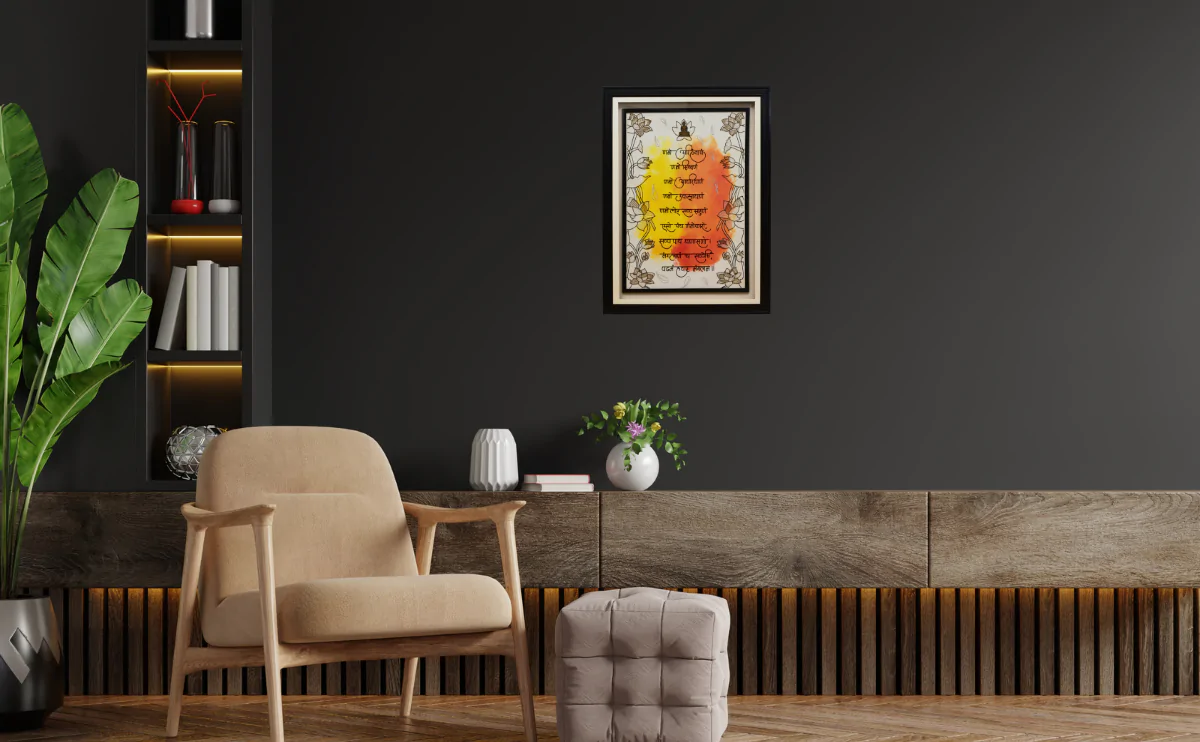
Interior design has evolved far beyond selecting furniture, paint colours, and decorative accessories. Today, architects, interior designers, hospitality brands, luxury residences, commercial developers, and public institutions are looking for meaningful design elements that combine beauty, functionality, and storytelling. One of the fastest-growing approaches in contemporary design is Architectural Textile Art, where handcrafted textiles become an integral part of architectural spaces rather than simple decorative pieces. From large-scale wall installations to sculptural suspended artworks, textile art adds texture, warmth, movement, and visual depth while creating memorable interior environments. As modern architecture increasingly embraces natural materials and bespoke craftsmanship, Architectural Textile Art has become a defining feature in premium residential and commercial projects.
Every interior tells a story, and thoughtfully designed Textile Art Installation pieces help communicate a space’s identity while enhancing its atmosphere. Whether designing a luxury hotel lobby, a corporate headquarters, a private residence, or a cultural institution, customised textile artworks create a distinctive experience that standard décor simply cannot achieve. At Studio Ayni, we specialise in creating bespoke Custom Textile Art and Architectural Fabric Art that integrates seamlessly into modern interiors. Every installation is thoughtfully designed to complement architecture, enhance spatial experience, and deliver timeless artistic value through exceptional craftsmanship.
Understanding Architectural Textile Art
Unlike conventional wall décor, Architectural Textile Art is created specifically to become part of the architectural language of a building. Rather than being added after a project is completed, textile artworks are often considered during the design phase so they complement scale, lighting, materials, circulation, and overall spatial composition.
Textile installations may include handwoven wall panels, sculptural fabric forms, suspended fibre installations, acoustic textile features, woven architectural partitions, layered fibre compositions, or large-format Textile Wall Art designed exclusively for a particular project.
Each artwork responds to the surrounding architecture while adding texture, warmth, movement, and human craftsmanship that enriches the interior environment.
At Studio Ayni, every project begins with understanding the architecture before creating bespoke textile solutions that naturally belong within the space.
Why Modern Interior Spaces Need Textile Art
Contemporary architecture often features clean lines, glass surfaces, polished concrete, stone finishes, steel structures, and minimalist forms. While visually striking, these materials sometimes create interiors that feel visually cold or acoustically harsh.
Introducing Architectural Fabric Art softens these environments without compromising their contemporary character. Textile surfaces absorb light differently from hard materials, creating subtle visual richness throughout the day.
Natural fibres, layered textures, handcrafted weaving, and organic forms introduce warmth and balance while encouraging emotional connections between people and their surroundings.
Rather than competing with architecture, carefully designed textile art enhances its strongest qualities.
The Relationship Between Architecture and Art
Great architecture creates functional spaces.
Great art creates emotional experiences.
Architectural Textile Art successfully combines both disciplines by allowing artistic expression to become part of architectural design rather than simply decorating completed interiors.
Architects increasingly collaborate with textile artists during project development to ensure installations respond to ceiling heights, wall proportions, circulation patterns, natural lighting, material palettes, and user interaction.
This integrated approach transforms ordinary interiors into immersive environments that remain memorable long after visitors leave.
At Studio Ayni, collaboration between designers, architects, clients, and artisans forms the foundation of every bespoke installation.
Custom Textile Art Creates Unique Spaces
No two architectural projects are identical.
Luxury residences differ from boutique hotels.
Corporate headquarters require different artistic expressions than wellness centres.
Museums create entirely different emotional experiences from restaurants or retail environments.
Because every project has unique architectural characteristics, Custom Textile Art provides significantly greater value than mass-produced decorative products.
Custom installations consider:
- Architectural scale
- Interior materials
- Colour palette
- Brand identity
- User experience
- Lighting conditions
- Functional requirements
- Artistic vision
This personalised approach ensures every artwork feels naturally connected to its environment rather than appearing as an afterthought.
At Studio Ayni, every installation is individually designed for its architectural context.
Textile Wall Art Adds Depth and Texture
Walls occupy significant visual space within interiors.
However, painted surfaces alone rarely create memorable environments.
Large-scale Textile Wall Art introduces dimension through woven textures, layered fibres, handcrafted details, and carefully considered compositions.
Unlike printed artwork behind glass, textile surfaces interact dynamically with changing daylight and artificial lighting throughout the day.
Shadows, highlights, fibre movement, and handcrafted textures continuously transform the visual experience.
This subtle interaction makes textile wall art particularly valuable within luxury interiors seeking sophisticated visual richness.
Hospitality Spaces Benefit from Architectural Textile Art
Hotels increasingly recognise that memorable guest experiences begin long before visitors enter their rooms.
Lobby areas, reception spaces, restaurants, lounges, wellness facilities, and guest corridors establish emotional impressions that influence customer satisfaction.
Large-scale Textile Art Installation projects create welcoming atmospheres while reinforcing brand identity through carefully selected colours, materials, and handcrafted artistry.
Boutique hotels particularly benefit from bespoke textile installations because unique artistic features differentiate them from standard hospitality environments.
At Studio Ayni, hospitality textile installations are designed to create lasting impressions while complementing luxury architectural interiors.
Architectural Fabric Art in Corporate Offices
Modern workplaces increasingly prioritise employee wellbeing alongside productivity.
Minimalist offices often benefit from softer materials that improve visual comfort while creating inspiring environments.
Architectural Fabric Art introduces warmth into meeting rooms, reception areas, executive offices, collaborative workspaces, and breakout zones.
Beyond aesthetics, textile installations can also contribute positively to acoustic comfort by reducing sound reflections within open-plan environments.
Beautiful workspaces support creativity, collaboration, and employee satisfaction while communicating professionalism to visiting clients.
Residential Interiors Become More Personal
Luxury homes increasingly reflect personal identity rather than following standard interior trends.
Bespoke Architectural Textile Art allows homeowners to commission unique installations expressing individual taste while complementing architectural design.
Large woven feature walls, sculptural hanging textiles, handcrafted fibre compositions, and contemporary Textile Wall panels Art create focal points that cannot be replicated through commercially available décor.
Each installation becomes both artwork and architectural feature simultaneously.
At Studio Ayni, residential commissions celebrate craftsmanship while creating meaningful artistic environments tailored specifically to each client.
Materials Matter
Exceptional textile installations begin with carefully selected materials.
Natural fibres including wool, cotton, linen, silk, jute, hemp, and other specialist materials each contribute unique visual and tactile qualities.
Material selection influences durability, texture, colour depth, acoustic performance, maintenance requirements, and overall artistic character.
Professional textile artists carefully evaluate these characteristics before beginning production.
At Studio Ayni, material selection forms an essential part of every project’s design process to ensure lasting beauty and performance.
Craftsmanship Defines Quality
Technology continues transforming manufacturing.
However, handcrafted textile art remains highly valued because human craftsmanship introduces subtle variation, authenticity, and artistic expression impossible to replicate through mass production.
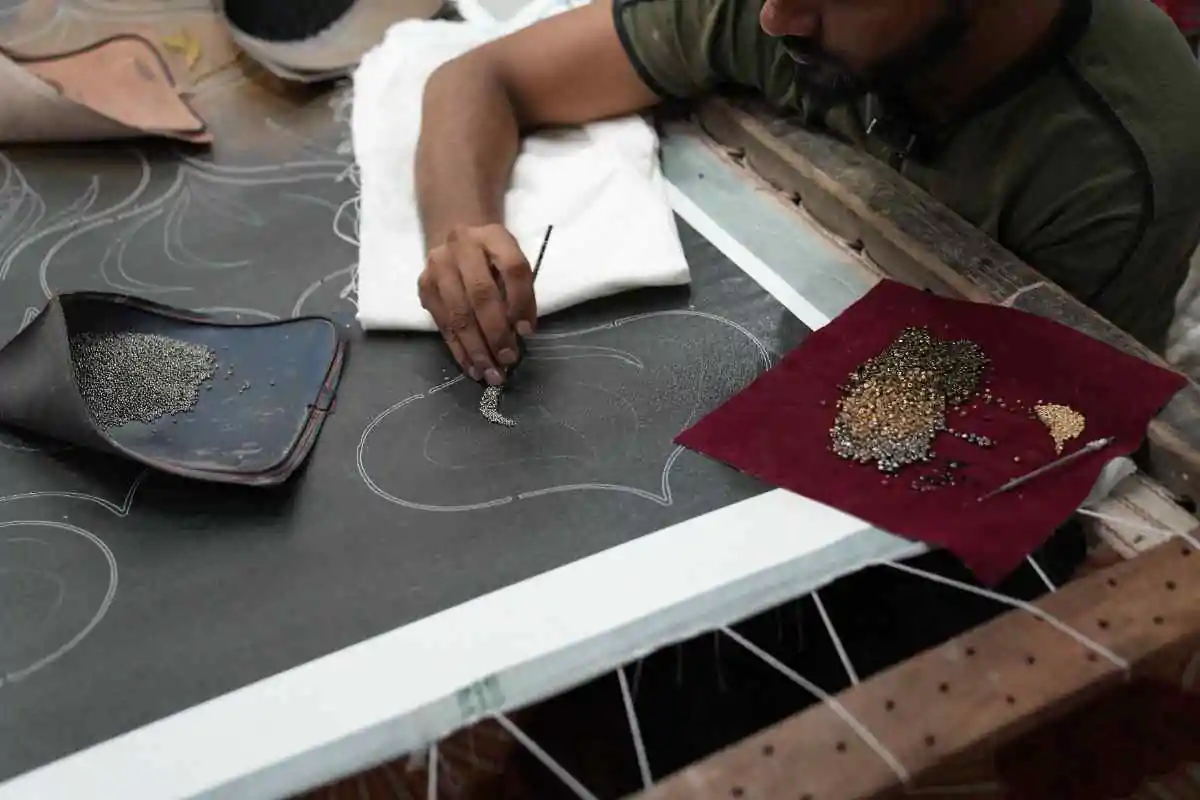
Every woven surface, stitched detail, layered composition, and handcrafted finish reflects hours of skilled artisan work.
This dedication to craftsmanship transforms each installation into a lasting artistic investment rather than temporary decoration.
At Studio Ayni, traditional craftsmanship combines with contemporary design thinking to produce architectural textile artworks of exceptional quality.
Sustainability Is Shaping the Future of Interior Design
Sustainability has become one of the defining principles of contemporary architecture and interior design. Designers, architects, developers, and property owners are increasingly selecting materials and artistic features that offer long-term value while supporting responsible design practices. Architectural Textile Art aligns naturally with this movement because handcrafted textile installations often prioritise durability, timeless aesthetics, and carefully selected materials over short-lived decorative trends.
Unlike mass-produced décor that is frequently replaced as styles change, bespoke textile installations are created specifically for the architecture they inhabit. Their custom nature encourages longevity, reducing the need for repeated replacements while preserving the unique identity of a space. Designers also appreciate the flexibility of textile-based artworks because they can incorporate natural fibres, recycled materials, responsibly sourced fabrics, and artisan craftsmanship where appropriate.
At Studio Ayni, every project begins with thoughtful material selection and design planning to ensure each installation remains visually relevant and architecturally meaningful for years to come.
Textile Art Improves Acoustic Comfort
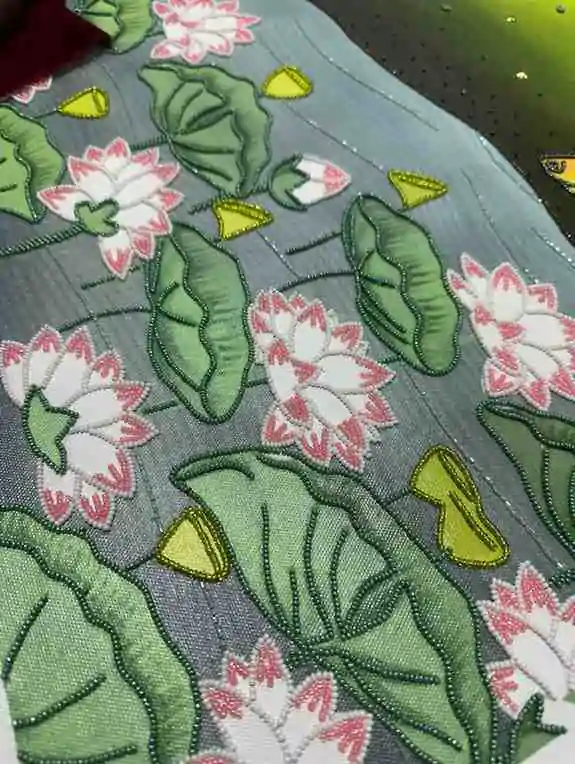
Beautiful interiors should not only look impressive—they should also feel comfortable to occupy. Modern commercial buildings frequently feature glass walls, polished concrete, marble, steel, and other reflective surfaces that increase sound reverberation.
One of the practical advantages of Architectural Fabric Art is its ability to soften interior acoustics. Large woven surfaces and layered textile compositions can help reduce echoes and create calmer environments by absorbing a portion of reflected sound.
This makes Textile Art Installation particularly valuable in spaces such as:
- Hotel lobbies
- Conference rooms
- Corporate offices
- Libraries
- Restaurants
- Cultural centres
- Educational facilities
- Luxury residences
Improved acoustic comfort contributes to better communication, increased productivity, and a more enjoyable visitor experience without compromising architectural elegance.
Creating Strong Brand Identity Through Textile Art
Every successful brand communicates its values through design. Hotels express luxury, offices demonstrate professionalism, wellness centres encourage relaxation, and retail environments create memorable customer experiences.
Custom Textile Art allows organisations to strengthen these messages through unique artistic installations that become visual signatures of the space.
Colours, textures, patterns, proportions, and handcrafted details can all reflect a company’s identity while complementing architectural design. Unlike generic artwork purchased from catalogues, commissioned textile installations are created exclusively for the project, making them impossible to replicate elsewhere.
At Studio Ayni, every installation is developed around the client’s architectural vision and brand story, resulting in artwork that becomes an integral part of the overall experience.
Public Spaces Become More Memorable
Architectural textile installations are increasingly appearing within museums, airports, universities, cultural institutions, civic buildings, galleries, and transportation hubs.
Large-scale Architectural Textile Art transforms public environments by introducing visual warmth, artistic identity, and human craftsmanship into spaces visited by thousands of people every day.
Public art installations often become recognised landmarks, encouraging interaction while strengthening cultural identity within the built environment.
Because textiles provide texture and movement unavailable through traditional wall finishes, they create immersive experiences that engage visitors from multiple perspectives.
The Design Process Behind Custom Textile Art
Every bespoke project follows a carefully structured creative process.
The journey typically begins with understanding the architecture itself. Designers evaluate ceiling heights, wall dimensions, lighting conditions, circulation routes, material palettes, and intended user experiences before developing artistic concepts.
Following the initial consultation, design sketches, material studies, colour explorations, and sample compositions help refine the artistic direction.
Production then moves into handcrafted fabrication, where skilled artisans transform concepts into finished textile artworks using carefully selected materials and specialised techniques.
Finally, professional installation ensures the artwork integrates seamlessly into the architectural environment.
At Studio Ayni, this collaborative process allows every project to achieve harmony between architecture, functionality, and artistic expression.
Material Innovation Expands Creative Possibilities
Contemporary Architectural Fabric Art combines traditional craftsmanship with innovative materials and production methods.
Designers now explore combinations of wool, linen, cotton, silk, felt, recycled fibres, technical fabrics, metallic threads, and mixed-media components to create installations with exceptional visual depth and structural integrity.
Different fibres interact uniquely with natural and artificial light, allowing installations to change subtly throughout the day as lighting conditions evolve.
These material innovations provide architects and interior designers with greater creative flexibility while maintaining timeless handcrafted quality.
Textile Wall Art as a Statement Feature
Many luxury interiors include one defining element that immediately captures attention. Increasingly, that feature is large-scale Textile Wall Art.
Unlike conventional paintings or framed prints, textile wall installations introduce physical depth, tactile richness, handcrafted character, and sculptural presence.
Large woven artworks often become conversation pieces while helping establish the visual identity of reception areas, hotel entrances, executive offices, private residences, and luxury hospitality spaces.
Their ability to occupy significant architectural surfaces without overwhelming the surrounding design makes them particularly attractive for contemporary interiors.
Collaboration Between Architects and Textile Artists
The most successful Architectural Textile Art projects result from close collaboration between architects, interior designers, clients, and textile artists.
Architects contribute technical understanding of spatial organisation.
Interior designers refine material palettes, furniture layouts, and lighting schemes.
Textile artists interpret these architectural qualities into handcrafted artistic expressions.
Clients provide personal vision, functional requirements, and brand objectives.
This multidisciplinary collaboration produces installations that feel fully integrated into the architecture rather than simply decorating completed interiors.
At Studio Ayni, collaboration remains central to every commission because exceptional results emerge when creative disciplines work together.
Why Bespoke Installations Offer Greater Value
Every architectural project possesses unique proportions, lighting conditions, materials, and spatial experiences.
Ready-made artwork rarely addresses these characteristics with precision.
Custom Textile Art allows every dimension, colour, texture, and composition to be developed specifically for the intended location.
This tailored approach improves visual balance while ensuring the installation enhances rather than competes with surrounding architecture.
Bespoke textile artworks also provide exclusivity, giving clients original artistic features that cannot be duplicated elsewhere.
For luxury residential, hospitality, and commercial projects, this exclusivity significantly enhances long-term design value.
Future Trends in Architectural Textile Art
The future of interior architecture is increasingly focused on creating spaces that are both functional and emotionally engaging. Designers are moving beyond conventional decorative elements and embracing bespoke artistic features that contribute to the overall architectural narrative. As a result, Architectural Textile Art is becoming an integral part of luxury residences, boutique hotels, corporate headquarters, cultural institutions, wellness spaces, and high-end commercial developments.
Emerging trends include three-dimensional textile sculptures, suspended fibre installations, oversized woven wall compositions, layered organic textures, mixed-material artworks, and digitally assisted design combined with handcrafted production. While technology helps refine design precision, the value of artisan craftsmanship continues to grow because clients increasingly appreciate authentic, one-of-a-kind creations that cannot be mass produced.
Another noticeable trend is the integration of textile artworks during the architectural planning phase rather than after construction is complete. This collaborative approach allows Textile Art Installation to interact naturally with lighting, ceiling heights, circulation, materials, and furniture layouts, creating interiors that feel cohesive and intentionally designed.
At Studio Ayni, we continue exploring innovative materials, contemporary weaving techniques, and architectural collaborations that help clients create interiors with lasting artistic value.
Textile Art as a Long-Term Design Investment
Unlike decorative accessories that are frequently replaced as trends change, bespoke Custom Textile Art is designed specifically for its architectural environment. This site-specific approach gives every installation lasting relevance because it becomes part of the building itself rather than an interchangeable decorative object.
Large-scale textile installations often remain central design features for many years because they reflect craftsmanship, originality, and timeless aesthetics. Hotels, luxury residences, commercial buildings, and cultural institutions increasingly view commissioned textile artwork as a long-term investment that enhances property identity while enriching visitor experience.
Thoughtfully designed Architectural Fabric Art also contributes to the perceived quality of interior spaces by introducing texture, warmth, and handcrafted character that complement premium architectural materials.
For architects, developers, and property owners seeking enduring design value, bespoke textile installations provide benefits that extend well beyond aesthetics.
Maintenance and Longevity
High-quality textile installations are created to perform successfully within their intended environment for many years. Material selection, fabrication methods, installation systems, and environmental conditions all influence long-term performance.
Professional textile artists carefully consider sunlight exposure, humidity, airflow, mounting methods, and maintenance accessibility during project development. Appropriate material choices help preserve colour stability, structural integrity, and visual appearance over time.
Routine maintenance generally involves gentle dust removal and periodic professional inspection depending on the location and textile composition. Because each installation is unique, maintenance recommendations are typically tailored to the specific artwork and architectural setting.
At Studio Ayni, every commissioned project includes careful consideration of durability and long-term care so clients can enjoy their textile installations with confidence.
Why Studio Ayni Is the Right Choice
Selecting the right creative partner is just as important as selecting the artwork itself. Successful architectural textile projects require artistic vision, technical understanding, material expertise, and close collaboration with architects and interior designers.
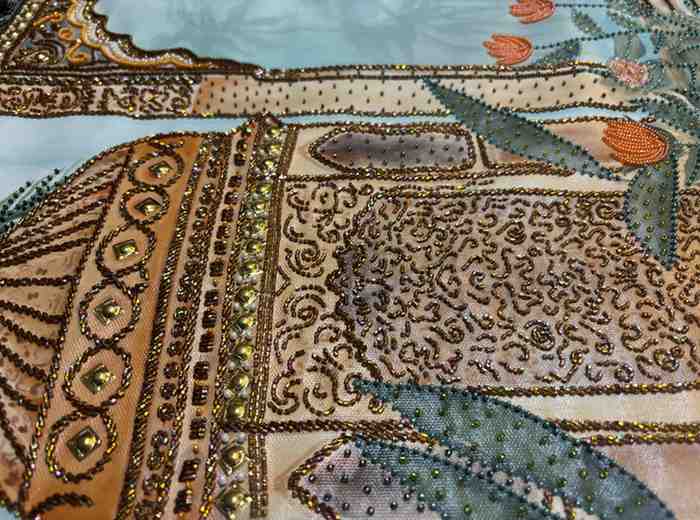
At Studio Ayni, we specialise in creating bespoke Architectural Textile Art that transforms modern interiors through thoughtful design and exceptional craftsmanship. Every commission is individually developed to respond to the unique proportions, materials, lighting conditions, and functional requirements of its architectural context.
Our expertise includes:
- Architectural Textile Art
- Textile Art Installation
- Custom Textile Art
- Architectural Fabric Art
- Textile Wall Art
- Bespoke Wall Installations
- Sculptural Fibre Art
- Hospitality Art Installations
- Luxury Residential Textile Art
- Corporate Interior Textile Installations
- Public Space Textile Art
- Large-Scale Woven Artworks
- Contemporary Textile Sculptures
- Custom Architectural Art Solutions
Whether working on a boutique hotel, luxury residence, corporate headquarters, wellness retreat, retail environment, cultural institution, or public building, Studio Ayni collaborates closely with clients to create original textile artworks that enrich architectural experiences while reflecting exceptional craftsmanship.
Conclusion
Modern interiors are no longer defined solely by furniture, finishes, and colour palettes. Today’s most memorable spaces combine architecture, craftsmanship, and artistic expression to create environments that inspire, comfort, and engage. Architectural Textile Art plays an increasingly important role in this evolution by introducing warmth, texture, movement, and visual depth that complement contemporary architecture while enhancing the overall user experience.
Whether through large-scale Textile Wall Art, sculptural Textile Art Installation, bespoke Custom Textile Art, or carefully crafted Architectural Fabric Art, textile-based artworks provide a unique balance of beauty and functionality. They strengthen architectural identity, improve spatial atmosphere, contribute to acoustic comfort, and create meaningful visual experiences that cannot be achieved through conventional decorative elements.
At Studio Ayni, we believe every architectural space deserves an artistic expression that is as distinctive as the building itself. Our bespoke textile installations combine contemporary design thinking with skilled craftsmanship, carefully selected materials, and close collaboration to produce timeless works of art. From luxury residences and hospitality projects to commercial developments and public institutions, Studio Ayni creates architectural textile artworks that transform interiors into extraordinary spaces where architecture and art exist in perfect harmony.
FAQs
1. What is Architectural Textile Art?
Architectural Textile Art refers to bespoke textile-based artworks created specifically for architectural spaces. These installations integrate with the building’s design, adding texture, warmth, artistic expression, and visual depth while complementing the surrounding architecture.
2. Where can Textile Art Installations be used?
Textile Art Installation projects are suitable for hotels, luxury residences, offices, restaurants, cultural institutions, retail environments, wellness centres, educational facilities, museums, and other commercial or public spaces seeking distinctive interior features.
3. Why choose Custom Textile Art instead of ready-made artwork?
Custom Textile Art is designed specifically for the dimensions, materials, lighting, and design language of each project, creating a cohesive architectural solution that offers originality, exclusivity, and long-term value.
4. Does Architectural Fabric Art provide functional benefits?
Yes. In addition to enhancing aesthetics, Architectural Fabric Art can contribute to improved acoustic comfort by helping soften sound reflections within many interior environments while introducing warmth and texture.
5. Why choose Studio Ayni for Architectural Textile Art?
Studio Ayni specialises in bespoke architectural textile installations that combine artisan craftsmanship, premium materials, contemporary design, and close collaboration with architects and interior designers to create unique, site-specific artworks for modern interiors.