Blog
Luxury Wall Art and Bespoke Wall Panels in Dubai


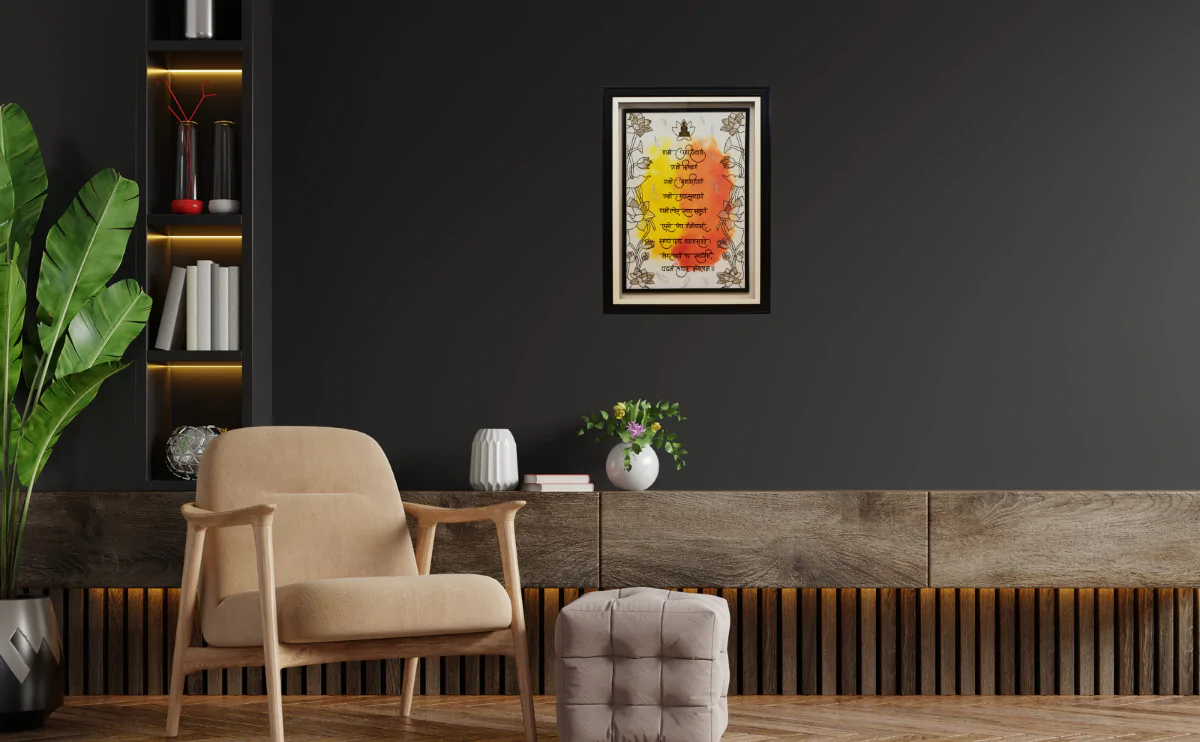
Dubai is internationally recognized for its distinctive hospitality industry, where architectural design, artistic details, and carefully planned interiors contribute to memorable guest experiences. From luxury hotels and boutique resorts to premium suites, restaurants, and grand reception areas, every interior element plays a role in shaping a property’s identity. Wall art and decorative panels are particularly valuable because they can transform large, otherwise understated surfaces into distinctive design features. Bespoke wall panels offer hotel owners, architects, and interior designers the opportunity to introduce custom patterns, textures, colors, and artistic compositions that complement the overall design concept. Rather than relying exclusively on standard wall decorations, hospitality projects can incorporate made-to-order textile artwork and handcrafted panels that reflect the character of the property.
For seeking distinctive interiors, luxury wall art and bespoke wall panels in Dubai can provide an opportunity to combine artistic expression with architectural design. From statement installations behind reception desks to textured wall features in guest suites and decorative compositions in private lounges, customized artwork can help establish a consistent visual identity throughout a property. Studio Ayni focuses on handcrafted textile wall art and bespoke wall panel concepts for interior environments, offering an approach that connects artistic detail with interior design requirements. By considering the property’s architectural style, intended atmosphere, available wall space, material preferences, and installation requirements, designers can create wall features that contribute meaningfully to the guest experience.
Why Bespoke Wall Panels Matter in Dubai’s Luxury Hospitality Industry
Luxury hospitality interiors require a thoughtful balance between visual appeal, functionality, and the identity of the hotel. While furniture, lighting, flooring, and architectural finishes establish the foundation of a space, wall treatments can bring these elements together into a coherent design. Bespoke wall panels allow designers to introduce a specific visual language through material combinations, surface textures, custom dimensions, and coordinated colors. They can be developed for contemporary hotels with clean architectural lines, traditional interiors featuring intricate decorative elements, or properties that combine regional influences with modern design.
For hotel projects in Dubai, customized wall art can be particularly useful when designers want to create a distinctive reception area, a memorable restaurant interior, or a refined guest lounge. A carefully planned wall installation can act as a focal point without competing with other interior elements. Its visual impact depends on the relationship between the artwork, lighting, ceiling height, furniture placement, and the movement of people through the space.
Unlike standard decorative products selected from a fixed catalog, bespoke panels can be developed around a project’s specific dimensions and design objectives. This makes bespoke wall panels Dubai a relevant consideration for architects, hospitality consultants, procurement teams, and interior designers working on individually designed properties. Before selecting a solution, project teams should establish the required dimensions, material performance, maintenance expectations, and installation conditions to ensure that the finished feature is appropriate for its intended environment.
Custom Wall Art for Hospitality Interiors in the UAE
Hotels and hospitality venues contain different environments, each with its own design priorities. A hotel lobby must create a strong first impression, while a guest bedroom should provide a more comfortable and visually balanced atmosphere. Restaurants, bars, private dining rooms, spas, meeting spaces, and executive lounges each benefit from artwork selected according to their function and overall interior concept.
Custom wall art for hospitality interiors UAE projects can incorporate textile compositions, handcrafted decorative panels, abstract patterns, layered textures, and coordinated color palettes. For example, a large textile artwork may become the main visual feature behind a reception desk, while smaller coordinated panels can establish continuity in corridors or private seating areas. In a restaurant, decorative wall art can complement the materials used for tables, upholstery, lighting, and architectural finishes. In a guest suite, a more restrained composition can provide visual interest without overwhelming the room.
Customization also gives designers greater control over the relationship between the artwork and the hotel’s brand identity. A property with a contemporary aesthetic may favor geometric arrangements, subtle tonal contrasts, or minimal patterns, whereas a boutique hotel might choose expressive textures and distinctive handcrafted details. The objective is not simply to fill a wall but to create an intentional design feature that supports the character of the interior.
Studio Ayni’s textile-led approach is relevant to projects where material texture and artistic craftsmanship are central to the design direction. When evaluating custom artwork for a hospitality environment, designers should confirm the available materials, dimensions, color options, production process, and suitability for the intended location.
Bespoke Wall Panels for Hotel Lobbies and Reception Areas
The hotel lobby is often one of the most visually important spaces in a hospitality property. It is where guests arrive, interact with reception staff, and begin forming their impressions of the hotel. Large wall surfaces in these areas provide opportunities for carefully designed artwork that establishes a recognizable visual identity.
Luxury wall decor Dubai projects can include large-scale textile installations, artistic wall panels, sculptural compositions, and custom decorative features positioned behind reception desks or within prominent architectural spaces. The most suitable solution depends on the proportions of the lobby, the surrounding finishes, the available lighting, and the desired atmosphere. A tall lobby may accommodate an elongated vertical composition, while a broad reception wall may benefit from a horizontal artwork that complements the desk and architectural lines.
Scale is particularly important. Artwork that is too small can appear disconnected from the architecture, while an oversized installation may dominate the room or interfere with signage and circulation. Designers should evaluate the wall elevation, viewing distance, furniture layout, and lighting conditions before finalizing the design. Where a wall panel incorporates intricate textile details, lighting should reveal the texture without producing excessive glare or harsh shadows.
Material selection also matters in high-traffic reception areas. Designers should assess cleaning requirements, resistance to accidental contact, installation security, and any applicable fire-performance requirements. A visually impressive wall feature must also be appropriate for the operational demands of a busy hotel.
Custom Embroidered Wall Panels for Hotels
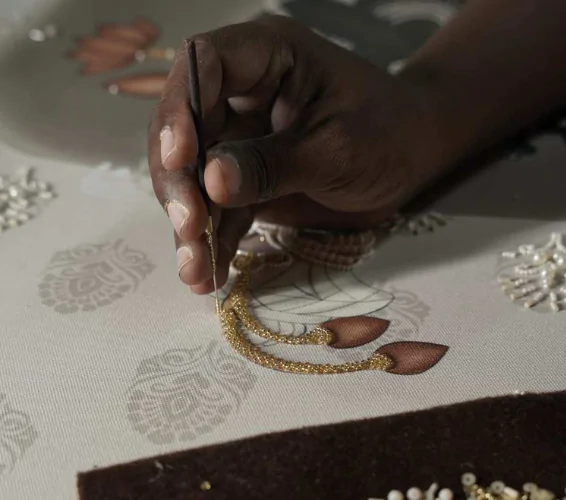
Textile-based artwork offers a distinctive alternative to conventional framed prints and hard decorative surfaces. Embroidery, layered fabrics, stitched patterns, and carefully arranged textile elements can introduce depth and tactile character into an interior. These qualities can be particularly useful when a hotel design requires a softer visual contrast against stone, glass, metal, polished wood, or other architectural materials.
Custom embroidered wall panels can be developed around a range of design concepts, from understated geometric compositions to detailed, expressive artwork. The choice of color, thread, fabric, scale, and pattern influences how the installation relates to the surrounding environment. Neutral shades may work well in restrained contemporary interiors, while more pronounced colors and elaborate embroidery can create a focal point in a restaurant, lounge, or boutique hospitality setting.
The design process should begin with the intended location and the atmosphere the hotel wants to create. A textile artwork behind a bed may require a different scale and level of detail from a large composition in a public lounge. Designers should also consider how close guests will be to the artwork, whether the material may be touched, and how the installation will be cleaned or maintained over time.
For Studio Ayni, textile-led wall art provides an opportunity to bring handcrafted visual elements into interior projects. The exact embroidery techniques, fabric options, dimensions, and construction methods should be confirmed for each commission. Where panels are intended for commercial hospitality environments, the specification should also address suitable backing systems, secure mounting, maintenance, and any project-specific safety requirements.
Choosing Interior Wall Panel Suppliers in Dubai
Selecting the right supplier is an important part of planning a bespoke wall installation. Hospitality projects often involve multiple stakeholders, coordinated construction schedules, detailed design approvals, and strict requirements for finished materials. A supplier should therefore be evaluated not only on the appearance of its products but also on its ability to understand the design brief and provide clear information throughout the project.
When comparing interior wall panel suppliers Dubai, interior designers and procurement teams should review the supplier’s relevant portfolio, available materials, customization capabilities, sample process, production timelines, and installation arrangements. They should also establish whether the supplier provides design development, manufacturing, packaging, shipping, installation support, or only selected parts of the process. These services can vary considerably between providers.
A clear specification helps avoid confusion. It should identify the panel dimensions, artwork design, color references, materials, edge details, backing requirements, mounting method, and expected finish. For textile panels, the specification should also document the fabric and decorative techniques wherever relevant. Samples or prototypes can help the project team evaluate texture, color, construction, and appearance under the intended lighting conditions before production is approved.
It is equally important to understand commercial terms, including quotation validity, payment milestones, transport arrangements, responsibility for installation, and procedures for handling damage or discrepancies. International projects may require additional coordination for packaging, customs documentation, and delivery schedules.
Studio Ayni can be considered by design teams exploring bespoke textile artwork and custom wall panel concepts. Buyers should contact the studio to confirm the services, production capabilities, delivery arrangements, and project requirements available for a specific Dubai hospitality commission.

Decorative Wall Installations Across the UAE
Decorative wall installations can help create a consistent design experience across different areas of a hotel. Rather than treating every wall independently, designers can establish a visual relationship between public spaces, guest rooms, corridors, restaurants, and private lounges through coordinated materials, motifs, and colors.
Decorative wall installations for UAE projects may involve a single statement feature or a collection of related artworks throughout a property. For example, a hotel could use a prominent textile panel in the lobby and smaller, complementary compositions in selected lounge areas. A boutique property might introduce variations of a shared pattern across different rooms, creating continuity while allowing each space to retain its own character.
Planning is especially important when installations are part of a larger architectural or renovation project. Designers should coordinate panel dimensions with wall finishes, electrical outlets, lighting, access panels, and furniture. The mounting system should be appropriate for the substrate and the weight of the finished artwork. If the panels are being installed in a completed hotel, the project team should also consider working hours, guest access, protection of existing finishes, and the management of installation-related disruption.
In the UAE’s varied hospitality environments, material performance should be assessed for the actual installation conditions. Sun exposure, indoor humidity, cleaning practices, and air-conditioning systems can influence the long-term appearance of some materials. The selected product should be appropriate for the location rather than chosen on appearance alone.
How to Select Materials and Colors for Luxury Hotel Wall Panels
Material selection has a direct effect on the appearance, feel, and maintenance requirements of bespoke wall art. Textile panels can introduce softness and intricate detail, while timber, metal, stone, and other decorative finishes may provide different visual and tactile qualities. A successful installation often depends on selecting materials that complement the existing interior palette rather than competing with it.
Color should be considered in relation to flooring, furniture, upholstery, lighting, and architectural finishes. Warm neutrals can support a calm and understated environment, while contrasting shades may help define a feature wall or distinguish a public space. However, colors can appear different under daylight, warm decorative lighting, and cool artificial illumination. Reviewing samples in the intended environment can help designers make more informed decisions.
Texture also contributes to the overall effect. Embroidered surfaces and layered textiles may create visual depth through subtle variations in height and pattern. These details can be especially noticeable when light falls across the surface at an angle. Designers should consider the viewing distance and lighting arrangement so that the material’s distinctive qualities remain visible.
For every commercial project, material specifications should be reviewed alongside practical considerations such as cleaning, durability, repair, fire performance, and installation requirements. Where certifications or technical test reports are required, the project team should obtain documentation relevant to the actual materials and finished assembly rather than relying on general descriptions.
Bespoke Wall Art for Boutique Hotels, Restaurants, and Luxury Suites
Different hospitality spaces benefit from different approaches to decorative wall art. Boutique hotels may prioritize distinctive artwork that supports a strong design identity, while larger properties may require coordinated solutions that can be repeated across several rooms or public areas. Restaurants may use wall panels to establish atmosphere, complement lighting, and create visual separation between dining zones. Luxury suites may benefit from more intimate artwork that relates to the furniture, textiles, and finishes selected for the room.
A bespoke installation can be developed around the purpose of the space. In a private lounge, a detailed textile composition may add warmth and character. In a contemporary restaurant, a more graphic panel can reinforce the architectural design. In a guest suite, an artwork positioned behind the bed may act as a focal point, provided that its materials, mounting method, and dimensions are appropriate for the setting.
The most effective approach begins with a clear design brief. This should define the intended visual effect, dimensions, material preferences, budget, installation location, and maintenance expectations. Collaboration between the interior designer, artwork supplier, architect, and installation team helps ensure that the final feature fits the broader project rather than appearing as an afterthought.
Studio Ayni’s handcrafted textile wall art approach is relevant for hospitality projects that seek an artistic alternative to standard decorative finishes. Each proposed installation should be evaluated according to the project’s design requirements and the studio’s confirmed capabilities.
The Wall Panel Design and Installation Process
A well-organized installation process begins with understanding the space and developing an accurate design specification. Measurements, wall elevations, photographs, material samples, and references help establish the dimensions and character of the proposed artwork. At this stage, the project team should also identify potential constraints, including the wall substrate, access, lighting, adjacent finishes, and installation schedule.
Once the concept has been agreed upon, the design can be developed into a more detailed proposal. This may include color selections, material samples, panel layouts, mounting details, and a review of the finished dimensions. A sample or prototype can be particularly useful for evaluating textile texture, embroidery detail, and the relationship between the artwork and surrounding materials.
Production should begin only after the necessary specifications and approvals have been confirmed. Before installation, the team should inspect the delivered panels for dimensions, finish, visible damage, and consistency with the approved design. The installation method must be suitable for the wall structure and the weight and construction of the panel.
After installation, the finished artwork should be reviewed for alignment, secure mounting, visual consistency, and any required finishing work. Maintenance guidance should also be provided where appropriate, particularly for textile surfaces that may require specific cleaning procedures. Clear coordination at each stage helps reduce avoidable delays and supports a more predictable result for the hotel project.
Why Choose Studio Ayni for Bespoke Textile Wall Art?
Studio Ayni offers a textile-focused design direction for projects seeking distinctive wall art and bespoke interior features. For hospitality designers, this approach can be relevant when a space requires handcrafted visual detail, layered textures, or a customized artistic composition that complements its architectural surroundings.
When considering Studio Ayni for a hotel project in Dubai, design teams can discuss the intended location, approximate dimensions, preferred colors, material direction, design references, and overall project requirements. These details help establish whether a proposed wall art concept aligns with the space and the project’s practical constraints. The available design, production, customization, and delivery services should be confirmed directly with the studio before a project is commissioned.
For hospitality applications, the discussion should also include mounting requirements, maintenance expectations, project timelines, material documentation, and any relevant safety standards. A carefully prepared specification allows the designer and supplier to align their expectations before production begins.
Whether the project involves a statement wall in a reception area, textile artwork in a private lounge, or coordinated decorative panels for a boutique hotel, the objective is to create a feature that complements the interior design and serves its intended purpose. Studio Ayni’s approach to handcrafted textile wall art provides a starting point for exploring these possibilities through a project-specific design process.
FAQs
1. What are bespoke wall panels for luxury hotels in Dubai?
Bespoke wall panels are customized decorative features designed for a particular interior space. They may incorporate textile artwork, embroidery, patterns, textures, and other decorative materials selected to complement a hotel’s architectural design, brand identity, and intended atmosphere.
2. How can custom wall art improve hotel interiors?
Custom wall art can establish focal points, introduce texture, complement architectural finishes, and create a more cohesive visual identity. Its effectiveness depends on appropriate scale, material selection, lighting, placement, and coordination with the overall interior design.
3. What should hotels consider when choosing wall panel suppliers in Dubai?
Hotels should review relevant project experience, customization options, material specifications, samples, production timelines, quality checks, installation arrangements, and commercial terms. For international commissions, shipping, packaging, delivery schedules, and required technical documentation should also be discussed.
4. Are embroidered wall panels suitable for hotel interiors?
Embroidered wall panels can be suitable for selected hospitality interiors when their construction, mounting, cleaning requirements, and material performance match the intended location. Public areas may require additional consideration of durability, fire performance, and secure installation.
5. Can bespoke wall panels be designed for hotel lobbies and restaurants?
Yes. Bespoke panels can be designed around the dimensions, design concept, lighting, and practical requirements of hotel lobbies, restaurants, lounges, suites, and other interior spaces. The design should be coordinated with surrounding finishes and architectural features.
6. How do I request bespoke wall art from Studio Ayni?
Begin by sharing the project location, intended application, wall dimensions, preferred materials, design references, estimated budget, and required timeline with Studio Ayni. The studio can then clarify the available services and determine the next steps for assessing the proposed project.
Conclusion
Luxury hospitality interiors depend on thoughtful design choices that combine visual character with practical performance. Bespoke wall panels and textile wall art can help hotels in Dubai create distinctive reception areas, refined guest suites, memorable restaurant interiors, and coordinated public spaces. By selecting appropriate materials, considering scale and lighting, and planning installation requirements carefully, design teams can incorporate decorative wall features that complement the architecture and support the intended guest experience.
For architects, interior designers, hotel owners, and procurement teams researching bespoke wall panels for luxury hotels Dubai, the most important step is to establish a clear project brief and work with suppliers who can explain their materials, customization options, production process, and installation requirements. Studio Ayni provides a starting point for exploring handcrafted textile wall art and bespoke panel concepts for hospitality interiors. Confirming the studio’s available services and project-specific capabilities will help determine the right approach for each installation.