
Blog
Luxury Textile Art Ideas for Residential Interior Design Projects

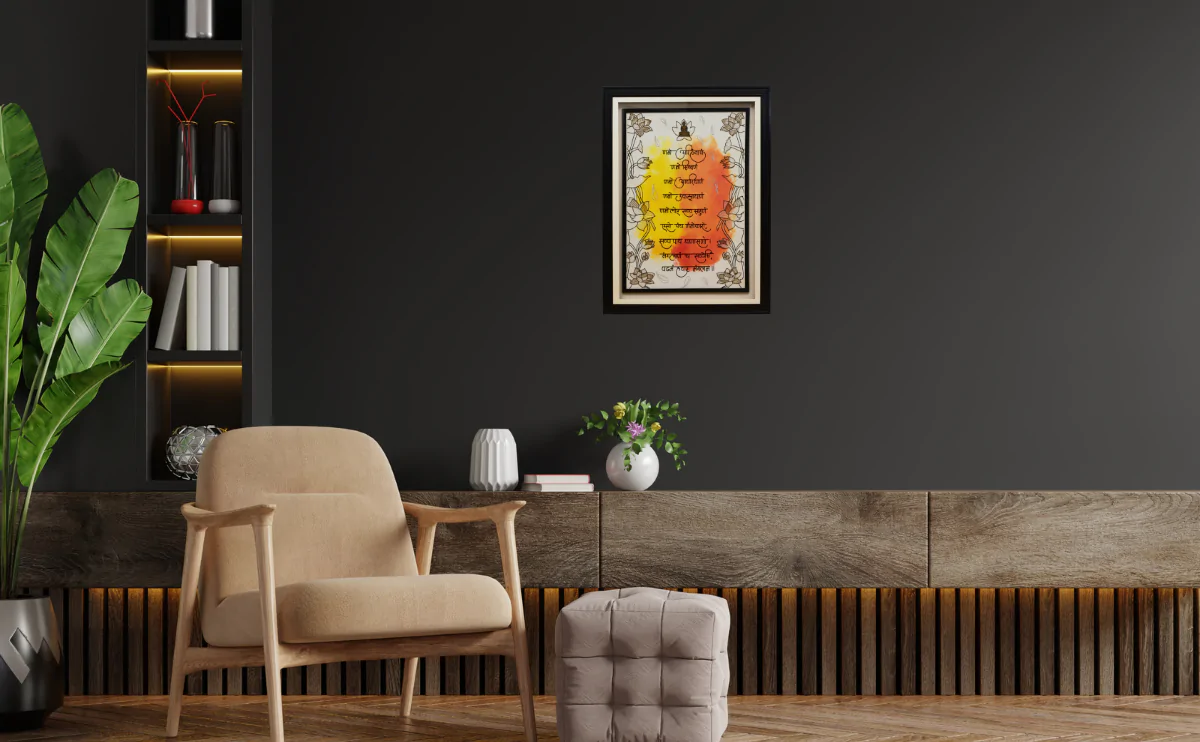
Luxury interiors are no longer defined only by expensive furniture, statement lighting, or premium finishes. Today, designers and homeowners are increasingly looking for artistic elements that bring personality, texture, craftsmanship, and visual depth into a space. Luxury Textile Art offers an elegant way to achieve this by combining artistic expression with the tactile qualities of fabric, fibers, stitching, weaving, layering, and other textile techniques. Unlike conventional framed artwork, textile pieces can introduce dimension and softness while creating a distinctive focal point within a room.
For residential projects, textile art can be adapted to different interior styles, from contemporary and minimalist homes to classic, transitional, boutique-inspired, and highly personalized spaces. Studio Ayni can help position textile art as part of a carefully considered interior rather than simply another decorative accessory. Whether the requirement is Luxury Textile Wall Art, Custom Textile Art, or a statement installation for a large residential space, the right piece can complement architecture, furniture, lighting, and materials while giving the interior a memorable identity. The same approach can also extend to hospitality projects, where Luxury Textile Art for Hotels can help create distinctive guest environments.
What Makes Luxury Textile Art Different?
Luxury textile art combines artistic design with textile craftsmanship to create decorative pieces that are visually expressive and materially rich. Depending on the concept, it may incorporate woven surfaces, embroidery, layered fabrics, fibers, sculptural elements, intricate patterns, hand-crafted details, or mixed textile techniques.
The defining characteristic is not simply the use of fabric. It is the combination of design, craftsmanship, material selection, scale, texture, and artistic intention. A professionally developed textile artwork can be designed specifically around the dimensions, architecture, color palette, and atmosphere of a particular interior.
This makes textile art especially useful for luxury residential projects where standard artwork may not provide the desired level of customization.
Why Textile Art Works So Well in Luxury Interiors
Luxury interior design is often about creating balance between materials. Stone can provide visual solidity, wood can introduce warmth, metal can add refinement, glass can create lightness, and textiles can bring softness and tactile character.
A textile artwork can connect these different materials together.
For example, a large woven wall installation can soften the appearance of a stone wall. A layered textile composition can complement upholstered furniture. A carefully selected neutral artwork can add texture to a minimalist interior without introducing excessive color.
This versatility allows designers to use textile art in many different ways.
The goal should not be to fill an empty wall simply because space is available. Instead, the artwork should contribute to the overall design story of the room.
Luxury Textile Wall Art as a Statement Feature
One of the most effective applications is Luxury Wall Art used as a statement feature.
Large walls can sometimes feel visually incomplete, particularly in contemporary homes with open-plan layouts, high ceilings, expansive staircases, or double-height spaces. A large-scale textile installation can provide the visual weight required to balance such architecture.
Rather than using several small decorative pieces, designers can select one substantial artwork that becomes the focal point of the room.
The size should be considered carefully. The artwork needs to relate to the dimensions of the wall, nearby furniture, ceiling height, and viewing distance. A piece that is too small can disappear within a large room, while an oversized installation can dominate the architecture.
Studio Ayni can approach these projects with attention to scale and the relationship between artwork and interior environment.
Luxury Textile Art Ideas for Living Rooms
The living room is one of the most natural places to introduce textile art because it is generally a central gathering space and often has significant wall area.
A large textile artwork can be positioned behind a sofa, above a console, opposite a seating arrangement, or on a feature wall. In a minimalist living room, a textured neutral composition can add visual interest without disrupting the simplicity of the space.
For a more expressive interior, designers can select artwork featuring layered patterns, contrasting textures, sculptural details, or carefully coordinated colors.
The artwork can also be connected to existing interior elements. For example, subtle tones from cushions, rugs, curtains, or upholstery can be echoed within the textile piece.
This creates continuity without making every element identical.
Textile Art for Bedrooms
Bedrooms benefit from artwork that contributes to a calm and sophisticated atmosphere.
Instead of placing a conventional painting above the bed, a textile artwork can create a softer visual effect. Layered fibers, woven textures, neutral fabrics, and understated patterns can work particularly well in premium bedroom interiors.
The artwork should complement the room rather than compete with it. Soft textures and restrained color palettes can support a relaxed environment, while more dramatic textile compositions can be suitable for statement bedrooms.
For luxury residential projects, custom sizing can also be valuable because bedroom walls frequently have specific proportions influenced by the bed, headboard, bedside tables, and architectural features.
Luxury Textile Art for Dining Areas
Dining rooms provide another opportunity to use textile artwork as a conversation piece.
A large artwork positioned on the main dining wall can establish the visual character of the space. The material and colors can be coordinated with the dining table, chairs, lighting fixture, flooring, and surrounding architectural finishes.
For formal dining interiors, a sophisticated textile composition with refined detailing may create a sense of elegance. For contemporary spaces, an abstract textile installation can introduce texture and artistic character.
The key is to maintain visual balance. The artwork should enhance the dining environment without distracting from the table and lighting, which are typically the primary functional elements of the room.
Custom Textile Art for Luxury Homes
Every residential interior has different dimensions, materials, lighting conditions, and design objectives. This is why Custom Textile Art can be particularly valuable for architects and interior designers.
Instead of selecting a ready-made artwork and trying to make it fit the room, designers can develop a piece around the space.
Customization can involve size, proportions, color direction, texture, materials, pattern development, composition, and mounting requirements. The artwork can be created to respond to a particular wall, staircase, corridor, entrance, or architectural feature.
For example, a homeowner with a very wide feature wall may require a horizontal textile composition, while a double-height staircase may benefit from a vertically oriented installation.
Custom work gives the designer greater control over the final visual relationship between art and architecture.
Luxury Textile Art for Entryways
The entrance creates the first impression of a home, making it an important location for statement art.
A textile installation in an entryway can immediately communicate the character of the interior. A sculptural piece can create drama, while a refined neutral composition can establish a more understated luxury aesthetic.
Because entry spaces are often narrower than living rooms, artwork should be selected according to viewing distance and available wall space.
Lighting is equally important. Directional lighting can emphasize texture and shadows, helping a three-dimensional textile artwork become more visually engaging.
Textile Art for Corridors and Transitional Spaces
Long corridors can sometimes become overlooked areas in residential design. Textile art can turn these transitional spaces into meaningful parts of the overall interior.
Instead of using identical framed pictures along the entire corridor, designers can create a more curated sequence using textile panels, smaller compositions, or a single continuous installation.
Texture can be particularly effective in these spaces because changing natural or artificial light can reveal different surface details as people move through the corridor.
This creates an experience rather than simply decorating a wall.
Textile Art for Double-Height Spaces
Double-height interiors create impressive architectural volume but can be challenging to decorate.
A small artwork may appear insignificant on a tall wall, while conventional large paintings may not always provide the desired texture or physical presence.
Large-scale Luxury Textile Wall Art can be designed specifically for these spaces.
Vertical compositions can emphasize the height of the architecture, while broad installations can visually connect different levels of the room. The mounting system, material weight, structural requirements, and lighting should all be considered during the planning stage.
This is an area where custom fabrication can provide significant advantages.
How to Match Textile Art with Interior Design Styles
Textile art is flexible enough to work across many interior styles, but the design should reflect the existing architectural language.
Contemporary Interiors
Contemporary spaces often benefit from abstract compositions, clean forms, sophisticated neutrals, and controlled texture. A textile artwork can provide warmth without introducing unnecessary visual complexity.
Minimalist Interiors
Minimalist interiors require careful editing. A single textile artwork with subtle texture can become a focal point while preserving the uncluttered character of the room.
Classic Interiors
Classic interiors may accommodate more intricate patterns, traditional textile techniques, layered surfaces, and richer tones. The artwork can complement architectural moldings, wood finishes, and traditional furniture.
Transitional Interiors
Transitional spaces combine traditional and contemporary elements. Textile art can bridge the two through a combination of refined textures, modern compositions, and timeless color palettes.
Eclectic Interiors
For eclectic homes, textile art can be more expressive. Multiple materials, patterns, colors, and artistic techniques can contribute to a layered interior aesthetic.
Choosing the Right Colors for Textile Artwork
Color selection should be approached in relation to the complete room rather than considered independently.
One approach is to select artwork that repeats an existing interior color. Another is to introduce a controlled accent color that gives the room additional energy.
Neutral textile art can be particularly versatile because it can work with many interior palettes. Shades inspired by stone, sand, natural fibers, warm whites, charcoal, taupe, and muted earth tones can provide texture without creating excessive contrast.
For more dramatic interiors, deeper tones or carefully selected accent colors can create a stronger focal point.
Studio Ayni can position custom textile solutions around the existing design language of a project, helping artwork become part of the interior composition rather than an unrelated addition.
The Importance of Texture
Texture is one of the biggest advantages of textile art.
Traditional two-dimensional artwork is primarily experienced visually. Textile art can engage both visual perception and an awareness of material surface.
Different textile techniques can create variations in softness, density, relief, layering, and dimension. When illuminated correctly, these surfaces can produce subtle shadows that change throughout the day.
This makes textile artwork particularly effective in luxury environments where material quality is an important part of the design experience.
Lighting Luxury Textile Art
Even an exceptional textile artwork can lose its impact if it is poorly illuminated.
Lighting should reveal the artwork’s texture without creating unwanted glare or harsh shadows. Depending on the piece, designers may consider recessed lighting, directional spotlights, wall washers, or integrated illumination.
The distance and angle of lighting can affect how dimensional surfaces appear.
For custom installations, lighting should ideally be considered during the design stage rather than added after installation. This allows the artwork and lighting to work together as a unified feature.
Luxury Textile Art for Hotels
The applications of textile art extend beyond residential interiors. Luxury Textile Art for Hotels can help hospitality brands create environments that feel distinctive and memorable.
Hotel lobbies, suites, corridors, restaurants, lounges, conference areas, and wellness spaces can all benefit from textile installations.
Large-scale textile art can be especially effective in hotel lobbies, where guests need an immediate visual impression. In guest rooms, smaller pieces can add warmth and character without overwhelming the space.
For hospitality projects, durability, maintenance, installation requirements, repeatability, and project timelines should be considered alongside artistic design.
A hotel may also commission a collection of related artworks so that different spaces share a consistent visual identity while retaining individual characteristics.
Custom Textile Art for Hospitality Design
Hotels often operate according to a broader design concept. The artwork should support the property’s architecture, location, brand identity, and guest experience.
A custom textile collection can be developed around these themes.
For example, the artwork may use a specific palette, material language, geometric direction, or abstract interpretation that reflects the hotel’s overall design concept.
This approach can help transform artwork from an isolated decoration into part of the property’s visual identity.
For architects, interior designers, and hospitality developers, a textile art partner who understands project requirements can make the commissioning process more structured.
How to Buy Luxury Textile Art
When you Buy Luxury Textile Art, consider more than the visual appearance of the artwork.
Look at the materials, craftsmanship, dimensions, installation method, care requirements, and the suitability of the piece for your specific environment.
The scale should work with the wall and surrounding furniture. The material should be appropriate for the location. The mounting method should be suitable for the installation surface.
For larger or custom pieces, buyers should also discuss production timelines and installation requirements before confirming an order.
If the artwork is being purchased for a commercial project, additional considerations such as maintenance, fire-safety requirements where applicable, accessibility, and long-term durability may also need to be evaluated according to the project’s specifications.
Why Customization Adds Value to Luxury Textile Art
The biggest advantage of customization is that the artwork can respond directly to the project.
Instead of asking the interior to accommodate a standard piece, the artwork can be developed around the architecture.
This can be particularly important for:
- Large residential developments
- Luxury villas
- Penthouse interiors
- Boutique hotels
- Resort properties
- Designer residences
- High-end restaurants
- Corporate hospitality spaces
Customization also creates opportunities for designers to develop unique pieces that reinforce the individuality of a project.
How Designers Can Integrate Textile Art Successfully
Successful integration starts early.
During the concept stage, designers should consider where artwork is required, how large it should be, what visual role it needs to play, and how it interacts with furniture and architectural finishes.
Material samples and color references can help align the artwork with the rest of the interior. For custom pieces, designers can also review preliminary concepts before production.
The final result should feel intentional.
A luxury interior should not look as though artwork was added after everything else was completed. Instead, the art should feel connected to the architecture, materials, furniture, and lighting.
Caring for Luxury Textile Art
Textile artwork requires appropriate care to maintain its appearance.
Dust, direct sunlight, moisture, humidity, and physical contact can affect certain textile materials over time. Care requirements vary according to the materials and construction techniques used.
Before installation, buyers should understand recommended cleaning and maintenance procedures.
In commercial environments such as hotels, where artwork may experience higher levels of traffic, maintenance planning becomes even more important.
Professional installation can also help ensure that the artwork is securely mounted and presented correctly.
The Future of Luxury Textile Art in Interior Design
As interior design becomes increasingly focused on personalization and experiential spaces, textile art has significant potential to become an important design category.
Homeowners are looking for interiors that feel personal rather than copied from a catalog. Designers are looking for materials that provide depth and individuality. Hotels and hospitality brands are searching for ways to create memorable environments.
Textile art can respond to all three needs.
Its combination of artistic expression, material texture, customization, and craftsmanship makes it suitable for both residential and commercial environments.
Rather than following a single trend, the future of textile art is likely to involve greater experimentation with scale, materials, techniques, mixed-media surfaces, and architectural integration.
Conclusion
Luxury Textile Art offers interior designers, architects, homeowners, and hospitality professionals an opportunity to introduce individuality, texture, craftsmanship, and artistic depth into sophisticated spaces. From living rooms and bedrooms to entrances, corridors, double-height walls, hotels, restaurants, and luxury hospitality environments, textile artwork can be adapted to a wide range of design requirements.
Luxury Textile Wall Art can create a dramatic focal point, while Custom Textile Art allows designers to develop pieces around the exact dimensions and character of a project. For hospitality environments, Luxury Textile Art for Hotels can contribute to a distinctive guest experience and support a property’s broader design identity.
For anyone looking to Buy Luxury Textile Art, the most important consideration should be the relationship between artwork, craftsmanship, materials, scale, architecture, and the intended environment.
At Studio Ayni, textile art can be presented not simply as wall decoration, but as a considered design element created to complement contemporary luxury interiors. By combining artistic thinking with attention to materials, proportions, texture, and customization, textile artwork can become one of the most memorable elements within a residential or hospitality project.
FAQs
What is luxury textile art?
Luxury textile art is an artistic form that uses fabrics, fibers, weaving, embroidery, layering, stitching, or other textile techniques to create decorative or sculptural artwork. It combines artistic design with craftsmanship and can be created for specific interior environments.
Where can luxury textile wall art be used?
It can be used in living rooms, bedrooms, dining areas, entryways, corridors, staircases, double-height walls, hotels, restaurants, offices, and other premium interiors. The size and material can be selected according to the space and design concept.
Can textile art be customized for an interior project?
Yes. Custom Textile Art can be developed around specific dimensions, colors, materials, textures, patterns, and installation requirements. Customization is particularly useful for large residential and hospitality projects.
Is luxury textile art suitable for hotels?
Yes. Luxury Textile Art for Hotels can be used in lobbies, suites, corridors, restaurants, lounges, and other hospitality spaces. For commercial applications, designers should also consider durability, maintenance, installation, and project-specific requirements.
What should I consider before buying luxury textile art?
Consider the artwork’s dimensions, materials, craftsmanship, colors, texture, installation method, lighting, maintenance requirements, and relationship with the surrounding interior. For custom or large-scale pieces, discuss production and installation requirements in advance.
How does Studio Ayni approach textile art?
Studio Ayni can approach textile art as an integrated interior-design element, with attention to artistic composition, materials, scale, texture, and customization. This allows artwork to be developed to complement the architecture and design language of individual residential or hospitality projects.