Blog
Handmade Wall Panels for Hotels and Commercial Interiors

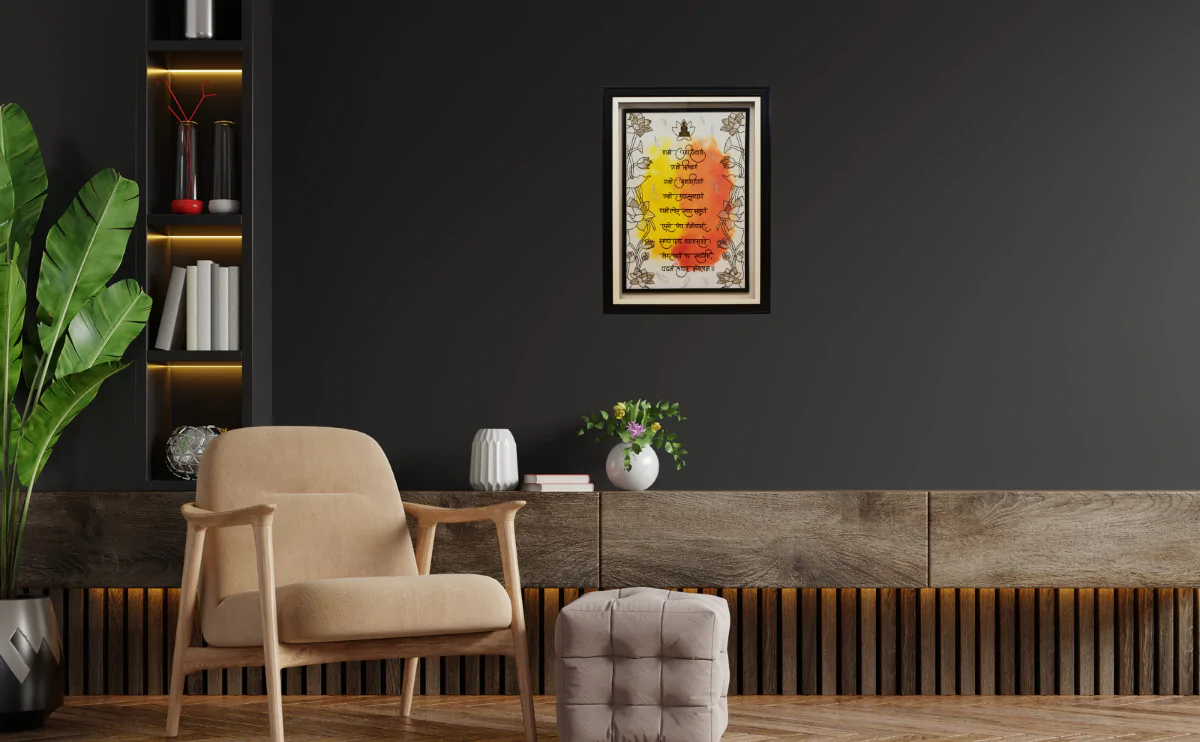
Hotels, restaurants, offices, resorts, and other commercial spaces require interior design elements that combine visual appeal, functionality, and a memorable identity. Wall treatments play an important role in shaping these environments because they influence the atmosphere, complement furniture, and create focal points that visitors notice immediately. Handmade wall panels offer an opportunity to introduce texture, artistic detailing, and distinctive craftsmanship into commercial interiors. Unlike ordinary wall finishes, handcrafted panels can feature individual patterns, material variations, and customized designs that reflect the architectural style and personality of a space. From elegant hotel lobbies to sophisticated restaurant interiors, thoughtfully designed wall panels can help transform blank surfaces into engaging design features.
Studio Ayni brings an artistic perspective to the world of handcrafted interior design, where material, texture, and visual expression can work together to create distinctive spaces. For hospitality businesses, architects, interior designers, and commercial property developers, selecting the right wall panels involves considering aesthetics, dimensions, installation requirements, maintenance, and long-term performance. Businesses searching for commercial handmade wall panels in USA may also need suppliers capable of supporting customized specifications and coordinating with project teams. Understanding the benefits of handmade wall panels and knowing what to evaluate when selecting a manufacturer or supplier can help commercial buyers make informed decisions and create interiors that leave a lasting impression.
What Are Handmade Wall Panels?
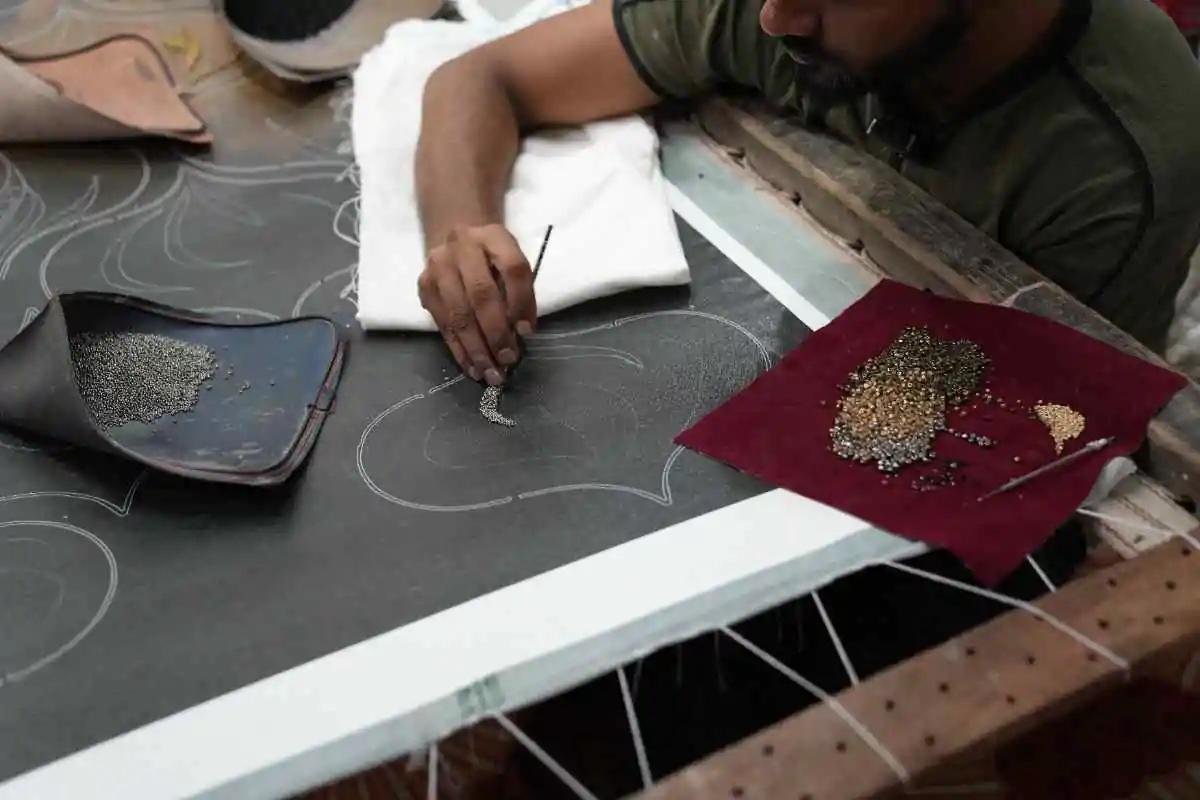
Handmade wall panels are decorative or architectural wall treatments created through skilled craftsmanship, specialized fabrication, or a combination of traditional techniques and contemporary design methods. Depending on the material and manufacturing process, these panels may incorporate sculptural textures, geometric patterns, carved details, layered surfaces, or artistic compositions. They can be used across feature walls, reception areas, corridors, meeting rooms, dining spaces, and other interior applications where visual character is important.
The appeal of handmade panels lies in their ability to bring depth and individuality to an interior. Natural variations in texture, finish, and handcrafted detailing can give a space a more distinctive appearance than repetitive, mass-produced decorative elements. For Studio Ayni, handmade wall panels can be presented as a design solution for projects that value artistic expression, thoughtful material selection, and customized interior features. The suitability of a particular panel depends on the project’s design concept, environmental conditions, installation method, and performance requirements.
Why Hotels and Commercial Interiors Benefit from Handmade Wall Panels
1. Create a Memorable First Impression
Hotel entrances, reception desks, and lobby walls are important parts of the guest experience. Visitors often form an initial impression of a property through its interior design, lighting, finishes, and overall atmosphere. A carefully designed handmade feature wall can establish a strong visual identity while complementing the architecture and furniture.
For example, a boutique hotel might use textured panels behind its reception counter, while an upscale restaurant could incorporate artistic wall treatments near its entrance or dining area. A well-planned feature wall can become a recognizable part of the interior without overwhelming the surrounding design. Studio Ayni can be considered by design teams looking to explore handcrafted wall features that align with a project’s visual direction and spatial requirements.
2. Support Customized Interior Design Concepts
Commercial interiors often follow a specific design theme, brand identity, or architectural brief. Standard wall coverings may not always provide the desired dimensions, pattern, texture, or finish. Handmade wall panels can offer greater creative flexibility when a project requires distinctive visual details or coordinated design elements across multiple spaces.
Architects and interior designers may specify custom patterns, panel layouts, surface textures, colors, and dimensions to suit a particular project. A hotel may require a statement wall inspired by natural forms, while a corporate office might benefit from understated geometric textures. Before production begins, the project team should approve drawings, material samples, dimensions, and finishing details. This helps ensure that the finished panels align with the intended design and can be integrated into the wider interior scheme.
3. Add Texture and Architectural Depth
Flat walls can sometimes make a commercial interior feel visually uniform, particularly in large spaces with limited architectural detailing. Textured wall panels introduce shadows, depth, and surface variation that can make the environment more engaging. Depending on their design, panels may create subtle visual movement or become a prominent sculptural feature.
Lighting is particularly important when working with textured surfaces. Wall washers, directional spotlights, and carefully positioned ambient lighting can emphasize panel contours and highlight craftsmanship. Designers should consider the relationship between panel depth, lighting angles, and viewing distances during the planning stage. This approach helps create a balanced result in hotel corridors, restaurant lounges, office reception areas, and other commercial environments.

How to Choose Commercial Handmade Wall Panels in USA
1. Select Materials According to the Project Requirements
Material selection affects the appearance, durability, maintenance, installation, and overall cost of a wall panel installation. Depending on the product and supplier, handmade panels may use wood, natural fibers, mineral-based materials, plaster, metal, or other suitable decorative materials. Each option has different characteristics and may require specific installation or maintenance procedures.
For hospitality and commercial projects, buyers should evaluate the intended location before selecting a material. A decorative panel suitable for a dry hotel lobby may not be appropriate for a humid spa area or a frequently cleaned commercial corridor. Moisture resistance, surface durability, cleaning requirements, weight, and fire-performance documentation should be assessed according to the intended application. Choosing materials based on verified product specifications rather than appearance alone can help avoid costly problems during installation and use.
2. Evaluate Design Consistency and Craftsmanship
When sourcing handmade wall panels, buyers should examine the quality of the finished product and the consistency of the craftsmanship. Handcrafted work can naturally include variations, but the acceptable degree of variation should be established before production. This is especially important for commercial projects involving large wall surfaces or multiple panels arranged in a continuous pattern.
Request physical samples, detailed product photographs, technical specifications, and examples of completed installations where available. Confirm the panel dimensions, thickness, surface finish, edge treatment, mounting method, and expected appearance under the project’s lighting conditions. A clearly documented approval process helps the designer, manufacturer, and installation team work toward the same result.
3. Work With a Suitable Handmade Wall Panel Manufacturer for USA Projects
Choosing a handmade wall panel manufacturer for USA projects involves more than comparing product designs. Commercial buyers should evaluate whether the supplier can meet the project’s material specifications, production quantities, customization needs, packaging requirements, and delivery schedule. Buyers sourcing internationally should also clarify shipping arrangements, import responsibilities, lead times, and the availability of technical documentation.
Studio Ayni can be considered as a design-oriented option when exploring handcrafted wall panel solutions, provided its available products and services match the requirements of the intended project. Architects, hospitality procurement teams, and interior designers should confirm customization capabilities, production capacity, material options, and installation guidance directly with the supplier before finalizing specifications.
For larger projects, a clear procurement process is particularly important. The buyer should establish an agreed design, approve a representative sample, document acceptable material variations, and confirm the delivery sequence. These steps help reduce the risk of discrepancies between the approved concept and the installed result.
4. Compare Handmade Wall Panel Suppliers for USA Projects
Businesses comparing handmade wall panel suppliers for USA projects should consider the complete service offering rather than focusing exclusively on the initial quotation. A supplier may offer custom fabrication, design coordination, material recommendations, packaging, or installation guidance, while another may provide finished panels only. Understanding these differences helps buyers compare suppliers fairly.
It is useful to request an itemized quotation that covers panel costs, customization, sample development, packaging, freight, insurance, applicable duties, and any additional project services. Buyers should also confirm payment terms, replacement policies for damaged goods, expected production timelines, and procedures for handling defects. A supplier that communicates clearly and provides documented specifications can make procurement easier for project teams managing multiple contractors and deadlines.
6. Consider Wall Panels for Different Commercial Spaces
Handmade wall panels can be incorporated into a wide range of commercial interiors, with the design adapted to each space’s purpose. In hotels, panels can create distinctive reception walls, decorative headboard backgrounds, lounge features, and corridor details. Restaurants may use them to establish a particular atmosphere around dining areas, private rooms, or entrance spaces. In corporate offices, carefully selected panels can enhance reception areas, conference rooms, and shared spaces without distracting from the overall professional environment.
Retail stores, galleries, wellness studios, and hospitality venues may also use handcrafted wall treatments to reinforce their visual identity. The most effective designs consider how people move through the space, how the wall interacts with furniture, and how lighting changes throughout the day. Rather than treating panels as isolated decorative objects, designers should integrate them into the complete interior concept.
Understand Installation, Safety, and Maintenance Requirements
Even beautifully designed panels need suitable installation planning. Commercial projects may involve different wall substrates, mounting systems, ceiling heights, access limitations, and building conditions. The panel supplier and installation contractor should coordinate the installation method, panel weight, fixing requirements, joint spacing, and any necessary backing support before work begins.
Fire performance is especially important in hotels and other public buildings. Buyers should request relevant fire-test reports or compliance documentation for the specific panel assembly, including applicable finishes, adhesives, backing materials, and mounting systems. Requirements vary by building type, location, and application, so the project architect or qualified professional should confirm the applicable codes and approvals.
Maintenance should also be considered from the beginning. Panels in high-traffic areas may require more durable finishes and accessible cleaning methods, while intricate textures may need specialized care. Written cleaning instructions and guidance on repairing minor damage can help property managers preserve the panels’ appearance over time. These practical considerations ensure that decorative features remain suitable for everyday commercial use.
Why Consider Studio Ayni for Handmade Wall Panel Design?
Studio Ayni can be explored by architects, interior designers, hospitality businesses, and commercial property developers seeking distinctive wall treatments and handcrafted design elements. The value of a design-focused approach lies in aligning the panel’s appearance with the overall interior concept, rather than choosing a decorative feature without considering its surroundings.
When discussing a potential project with Studio Ayni, buyers should share the location of the installation, approximate wall dimensions, preferred textures, material preferences, reference images, quantity requirements, and expected project schedule. This information can help establish whether the desired design is feasible and what additional technical details may be needed. Buyers should verify the specific products, customization options, manufacturing arrangements, and delivery capabilities available for their project.
For commercial buyers sourcing handmade wall panels for the US market, a successful selection process combines visual appeal with practical evaluation. Design approval, documented material specifications, transparent pricing, suitable performance evidence, and coordinated delivery all contribute to a smoother project experience. With the right planning, handmade wall panels can become an integral part of a commercial interior’s identity.

Key Factors to Check Before Ordering Handmade Wall Panels
Design and customization: Confirm dimensions, patterns, colors, surface texture, and finishing requirements.
Material and performance: Review durability, cleaning needs, moisture suitability, and applicable fire-performance documentation.
Supplier reliability: Verify product samples, manufacturing capabilities, lead times, shipping terms, and quality-control procedures.
Total project cost: Consider customization, packaging, freight, installation, and other applicable charges.
Installation and maintenance: Confirm mounting requirements, technical guidance, and ongoing care instructions.
FAQs
1. What are handmade wall panels used for in hotels and commercial interiors?
Handmade wall panels are used to create feature walls, enhance reception areas, decorate hotel lobbies, add texture to restaurant interiors, and introduce distinctive design elements into offices and retail spaces. Their suitability depends on the material, installation method, and performance requirements of the location.
2. How can I find commercial handmade wall panels in USA?
Start by identifying the required design, material, dimensions, quantity, and installation conditions. Compare suppliers based on samples, customization options, technical documentation, quality-control processes, delivery schedules, and total project cost. For international sourcing, confirm shipping, import responsibilities, and applicable compliance requirements.
3. What should I look for in a handmade wall panel manufacturer for USA projects?
Look for demonstrated craftsmanship, clear product specifications, customization capabilities, reliable communication, suitable production capacity, and documented performance information. Ask for samples and confirm that the supplier can meet the project’s delivery schedule and technical requirements.
4. Are handmade wall panels suitable for hotels and high-traffic commercial spaces?
They can be suitable when the selected materials, finishes, fixing systems, and maintenance requirements are appropriate for the intended environment. For public buildings, verify applicable fire-performance requirements and confirm the suitability of the complete installed assembly with the project team.
5. Can handmade wall panels be customized for a specific interior design?
Depending on the supplier’s capabilities, panels may be customized by dimensions, patterns, textures, colors, materials, and surface finishes. Buyers should provide drawings or reference images and approve samples before production to ensure that the final design meets the project’s requirements.
Conclusion
Handmade wall panels offer hotels, restaurants, offices, and other commercial spaces an opportunity to introduce artistic detail, texture, and a distinctive visual identity. From feature walls in hospitality environments to carefully designed office reception areas, handcrafted panels can complement architecture and strengthen the overall interior concept when selected and installed appropriately.
For businesses exploring commercial handmade wall panels in USA, the selection process should include material evaluation, design customization, craftsmanship, safety documentation, installation requirements, and total project cost. Comparing handmade wall panel suppliers for USA projects on these practical factors can help buyers identify solutions that meet both aesthetic and functional expectations. Studio Ayni can be considered as part of this process when its verified offerings align with the project’s requirements. By combining thoughtful design with careful procurement and installation planning, commercial spaces can achieve interiors that are visually distinctive, functional, and memorable.