
Blog
Why Handmade Wall Panels Are Becoming Popular in Interior Design

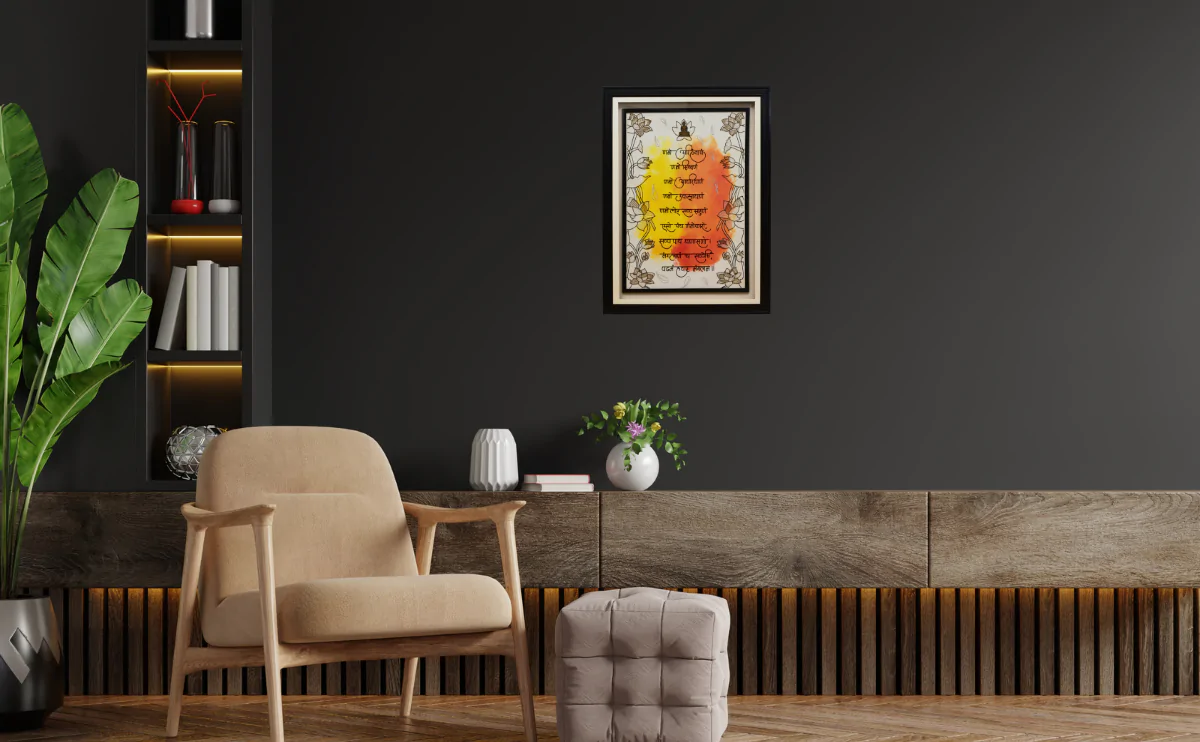
Interior design is evolving as homeowners, architects, and designers look for ways to create spaces that feel personal, expressive, and visually distinctive. While painted walls and conventional decorative finishes remain popular, many people are exploring wall treatments that introduce texture, depth, craftsmanship, and character. Handmade Wall Panels have become an appealing option because they can transform an ordinary wall into a defining feature of a room. From living rooms and bedrooms to boutique hotels, restaurants, offices, and creative commercial spaces, these panels offer opportunities to introduce distinctive patterns, sculptural forms, and carefully considered materials. Unlike standard decorative solutions that may look similar across different interiors, handcrafted panels can bring a more individual character to a space and complement a wide range of interior design styles.
The growing interest in artisanal interiors also reflects a broader appreciation for materials, creative processes, and design details that make a space memorable. Customers searching for Handmade Wall Panels in USA increasingly have access to a variety of decorative approaches, including textured surfaces, geometric compositions, organic forms, and custom-designed installations. The right panel can create a focal point, introduce visual balance, or complement furniture, lighting, and architectural details without requiring a complete interior renovation. At Studio Ayni, thoughtful design is central to creating interiors that feel connected to their surroundings and reflect individual preferences. Understanding why handmade wall panels are gaining attention can help homeowners, interior designers, and commercial property owners make informed choices when planning distinctive interior spaces.
What Are Handmade Wall Panels?
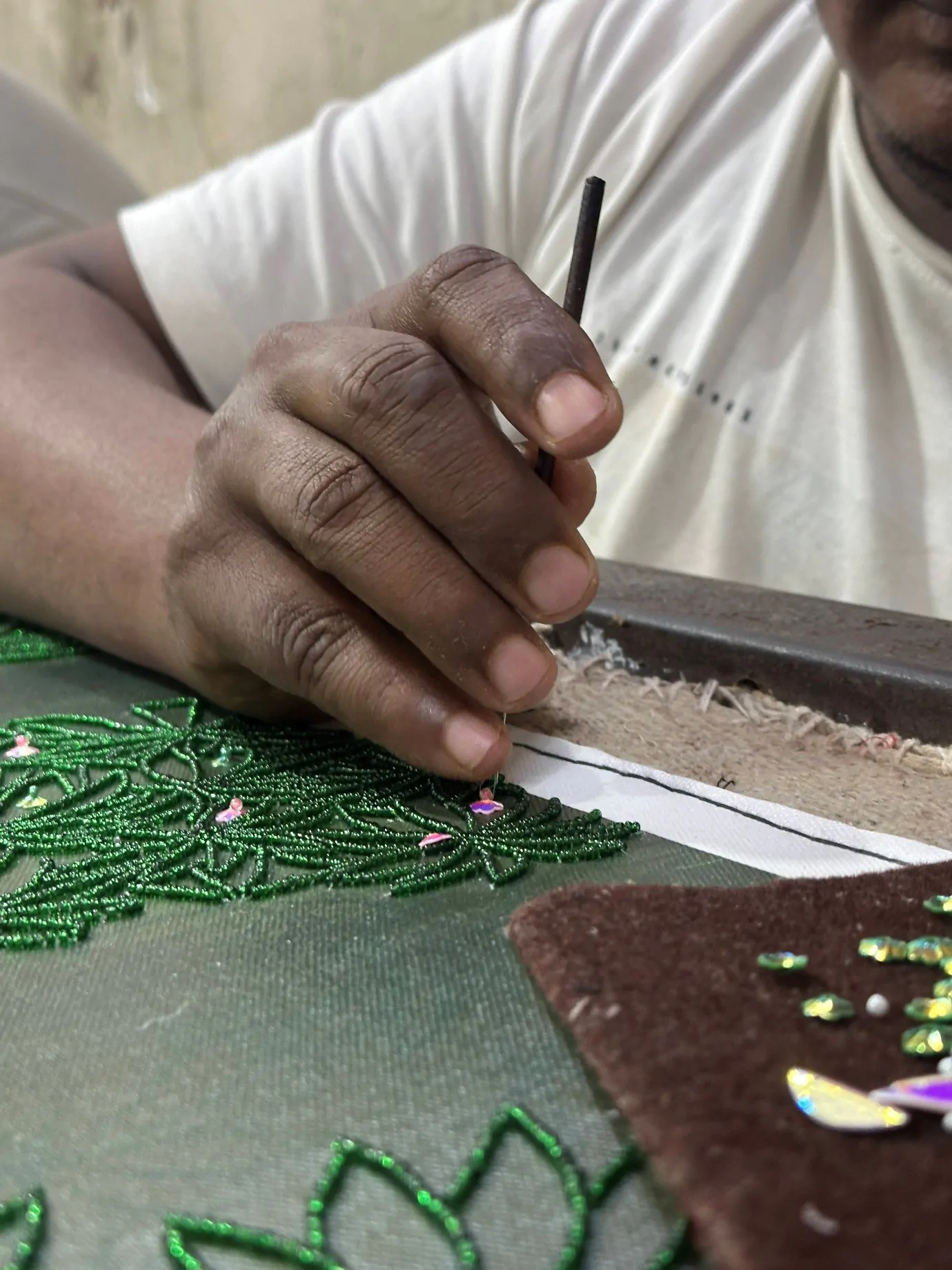
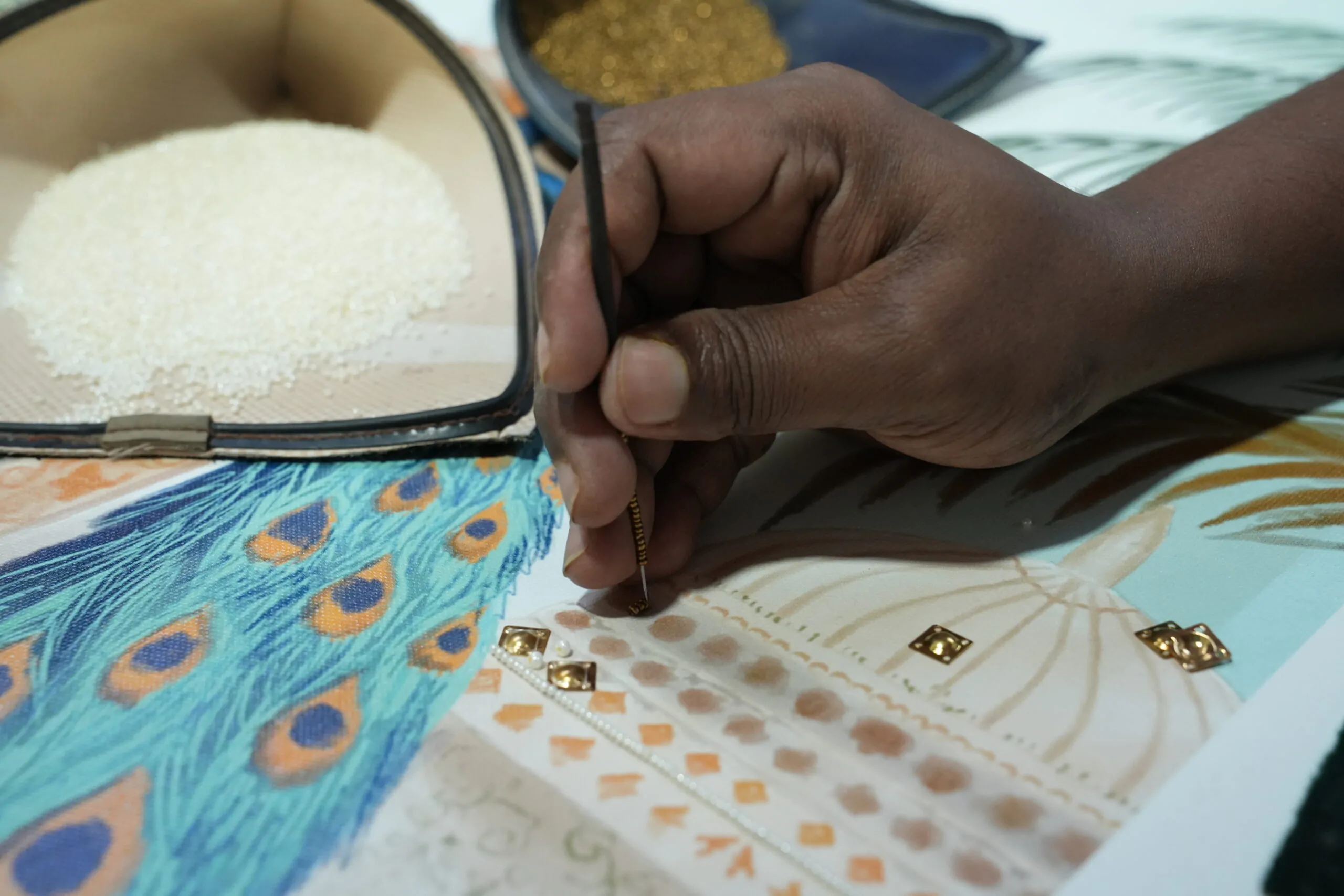
Handmade wall panels are decorative wall treatments created through skilled craftsmanship, artistic techniques, or carefully controlled production processes. Depending on the design, they may feature carved details, sculpted textures, raised patterns, geometric arrangements, or organic forms that add visual interest to otherwise flat surfaces. Materials can include wood, plaster, clay-based compositions, natural fibres, metal, or other suitable materials, depending on the intended application and the manufacturer’s capabilities. Each material has its own appearance, installation requirements, maintenance considerations, and suitability for different environments.
One of the defining characteristics of handmade panels is the attention given to design and surface detail. Rather than serving only as a background finish, they can become an important part of the room’s overall composition. A textured panel behind a sofa, for example, can create a focal point in a living room, while a sculptural installation behind a bed can help establish a calm and cohesive bedroom design. The appearance of handcrafted products can vary according to the technique, materials, and finishing process used. This makes it important to review actual samples, product specifications, and installation requirements before choosing panels for a project.
Why Handmade Wall Panels Are Becoming Popular in Interior Design
1. They Add Texture and Visual Depth
One major reason Handmade Wall Panels are attracting attention is their ability to introduce texture into interior spaces. A plain wall provides a relatively uniform surface, whereas a handcrafted panel can create shadows, raised details, recessed areas, and changes in surface depth. These features interact with natural and artificial lighting, allowing the appearance of the wall to change throughout the day.
Texture is particularly useful in interiors that use neutral colours, minimalist furniture, or restrained decorative elements. Instead of relying on multiple colours or accessories, designers can introduce visual interest through the surface itself. For example, a textured wall panel behind a living room sofa can make the seating area feel more defined without overwhelming the room. Similarly, subtle sculptural patterns in a bedroom can create depth while preserving a relaxed atmosphere. By combining material, shape, and lighting, handmade panels can make a space feel more considered and visually engaging.
2. They Create Unique and Personalised Interiors
Modern homeowners increasingly want interiors that reflect their individual preferences rather than following a single design trend. Handmade panels support this goal by offering a range of patterns, finishes, colours, and compositions that can be selected according to the character of a space. Some designs feature simple linear details, while others incorporate flowing curves, irregular textures, or more expressive decorative forms.
Customisation is especially valuable for interior designers working on projects with specific architectural requirements. Panel dimensions, surface patterns, colour palettes, and overall layouts may be coordinated with existing furniture, flooring, lighting, and architectural features. However, the level of customisation depends on the maker and the material being used. Buyers should discuss design feasibility, production tolerances, finishing options, and installation methods before approving a custom order. When planned carefully, handmade wall panels can help create a distinctive interior that feels connected to the people who use it.
3. They Complement Different Interior Design Styles
Another advantage of Handmade Wall Panels is their versatility across interior design styles. In contemporary spaces, panels with clean lines and subtle textures can introduce depth without disrupting a minimalist aesthetic. In traditional interiors, carved patterns or decorative reliefs can complement detailed furniture, rich materials, and classic architectural elements. Organic shapes and tactile finishes can also work well in interiors inspired by natural forms.
The key is to select a design that supports the room rather than competing with it. A heavily patterned panel may work well as a focal point in a spacious living room, while a more restrained design may be suitable for a smaller bedroom or compact office. Colours should coordinate with the existing palette, and the scale of the pattern should reflect the dimensions of the wall. This flexibility makes handmade panels relevant to a broad range of residential and commercial design projects.
4. They Turn Ordinary Walls into Focal Points
A focal point helps establish visual hierarchy within a room by directing attention toward a particular area. Handmade wall panels can perform this role through their texture, shape, colour, or three-dimensional appearance. Instead of decorating every wall with artwork or accessories, designers can use one carefully selected panel installation to create a strong visual feature.
In living rooms, a panel may be placed behind the main seating arrangement or television area. In bedrooms, it can serve as a decorative backdrop behind the headboard. Hotels and restaurants may use panels at reception desks, in dining areas, or behind feature seating to strengthen the visual identity of the space. The placement should consider viewing angles, lighting, furniture proportions, and the intended use of the room. A well-positioned panel can help create a more cohesive interior while reducing the need for unrelated decorative elements.
Handmade Wall Panels in USA: A Growing Design Opportunity
The interior design market in the United States includes a wide range of residential, hospitality, retail, and workplace projects. Within this varied market, decorative wall treatments offer designers additional ways to express a property’s character and create memorable environments. Handmade Wall Panels in USA can be considered for new homes, renovation projects, boutique hotels, restaurants, offices, showrooms, and other spaces where wall finishes contribute to the overall design.
American interior projects vary significantly in their architectural styles, room sizes, budgets, and material preferences. Some buyers may prefer understated textures that complement modern architecture, while others may look for sculptural panels that establish a dramatic focal point. Custom panel arrangements can also help address particular wall dimensions or design requirements, provided the product and installation system are suitable for the project.
For buyers exploring handmade wall panels in the US market, it is important to distinguish between products manufactured domestically and products sold or distributed by US-based businesses but manufactured elsewhere. Supplier location, manufacturing origin, shipping arrangements, and installation support should be confirmed before ordering. Studio Ayni can use educational content about materials, design considerations, and product selection to help audiences understand how handmade wall panels can contribute to thoughtfully designed interiors. Any specific product availability or service offering should be confirmed against the company’s current catalogue and capabilities.
How to Choose the Best Handmade Wall Panels USA
Finding the Best Handmade Wall Panels USA for a particular project involves more than selecting an attractive design. Buyers should consider material suitability, visual proportions, finish quality, installation requirements, maintenance, and the intended use of the space. A panel that looks appropriate in a showroom may behave differently when installed in a humid bathroom, a busy restaurant, or a room exposed to strong sunlight. Reviewing the product’s technical information is therefore essential.
Material choice should reflect both the appearance you want and the practical conditions of the installation. Wood-based panels may introduce warmth and visible grain, while plaster-based or sculpted surfaces can create a more architectural appearance. Metal and other materials may suit particular contemporary or decorative concepts. No material is automatically suitable for every environment, so verify its moisture resistance, fire performance, cleaning requirements, weight, and mounting system where relevant.
It is also helpful to request physical samples when available. Samples allow you to examine texture, colour, surface consistency, and the way the material responds to light. For larger installations, ask how panel joints, corners, edges, and transitions will be handled. These details can significantly affect the finished appearance. The best choice is one that balances design intent with the practical requirements of the space.
Top Handmade Wall Panels in USA: Design Features to Consider
The phrase Top Handmade Wall Panels in USA can describe different products depending on a buyer’s design preferences, project requirements, and budget. There is no single panel style that is best for every property. Instead, buyers should compare the features that matter most for their intended application, such as texture, material, customisation, durability, and installation complexity.
Popular design directions to consider include geometric patterns, organic reliefs, linear textures, carved surfaces, and sculptural compositions. Geometric designs can create a structured, contemporary appearance, while curved or irregular patterns may introduce a softer visual rhythm. Linear textures can emphasise the height or width of a wall, depending on how the panels are oriented. Sculptural designs can create a stronger focal point, particularly when paired with carefully positioned lighting.
For residential spaces, the right design should complement the furniture, flooring, wall colours, and natural light. Commercial projects may also require greater attention to durability, cleaning, accessibility, and applicable building requirements. Rather than selecting a product simply because it is described as a top design, compare its actual characteristics with the needs of the project. This approach supports a more informed purchase and helps avoid choosing panels that look appealing but are unsuitable for the installation.
5 Best Places to Use Handmade Wall Panels
Handmade wall panels can be incorporated into different areas of a property, provided the selected material is appropriate for the environment. Their placement should reflect the room’s function, existing architecture, lighting, and the visual effect you want to create.
- Living rooms: Install a feature panel behind the sofa or in a main seating area to establish a focal point and add texture to the interior.
- Bedrooms: Use a suitable decorative panel behind the headboard to create a coordinated backdrop that complements bedding, bedside tables, and lighting.
- Hotel and restaurant interiors: Consider panels for reception areas, feature walls, private dining spaces, or decorative seating zones where visual identity is important.
- Offices and commercial spaces: Introduce selected panels in meeting rooms, reception areas, or collaborative spaces to add architectural interest without relying entirely on artwork.
- Retail stores and showrooms: Use distinctive wall treatments to support product displays, define zones, and create a memorable customer experience.
The most successful installations generally balance decorative impact with the practical needs of the space. Panel size, mounting method, cleaning access, and the interaction between texture and lighting should all be considered before installation begins.
How Lighting Enhances Handmade Wall Panels
Lighting plays an important role in the appearance of textured and sculptural wall surfaces. Because handmade panels can feature raised details, recessed areas, or irregular contours, light can create subtle shadows that emphasise the design. The same panel may appear more pronounced under directional lighting and more understated under soft, diffuse illumination.
Wall washers, recessed lighting, and carefully positioned fixtures can be used to highlight selected panel features, depending on the installation and the lighting plan. Warm lighting may complement some wood finishes and earthy colour palettes, while neutral lighting may suit certain contemporary interiors. The final effect depends on the material, surface colour, fixture position, and light intensity.
Before finalising the installation, review the panel under lighting conditions similar to those expected in the finished room. For large or highly textured installations, a lighting mock-up can help identify unwanted shadows or uneven illumination. Coordinating panels with the lighting plan from the beginning can produce a more cohesive result than treating wall decoration and lighting as separate decisions.
Handmade Wall Panels for Residential and Commercial Projects
Residential and commercial interiors often have different priorities when selecting wall panels. Homeowners may focus on personal style, comfort, ease of maintenance, and coordination with existing décor. Commercial clients may place greater emphasis on durability, cleaning requirements, project schedules, installation consistency, and compliance with applicable building standards.
For residential applications, handmade panels can be used to introduce a distinct material or texture without changing the entire room. For commercial spaces, panels may support a wider design concept across reception areas, guest rooms, dining spaces, or customer-facing environments. However, the suitability of a product depends on its construction and the conditions in which it will be installed.
Architects and interior designers should confirm panel dimensions, weight, fixing details, edge treatments, and relevant technical documentation before specifying a product. Larger projects may also require coordination among the designer, manufacturer, installer, and other contractors. Clear documentation helps establish expectations and reduces the risk of delays caused by incompatible dimensions or installation requirements.
How to Maintain Handmade Wall Panels
Maintaining handmade wall panels starts with understanding the material and the finish applied to its surface. Different materials respond differently to moisture, cleaning products, abrasion, sunlight, and temperature changes. As a result, there is no single cleaning method that is suitable for every panel type.
For many finished decorative surfaces, routine dusting with a soft cloth or appropriate dusting tool may be sufficient. More intensive cleaning should follow the manufacturer’s instructions, particularly for porous materials, delicate finishes, or panels with intricate detailing. Avoid using abrasive tools or unapproved chemicals that could scratch, discolour, or damage the surface.
Before installation, ask about maintenance requirements, repair options, and expected performance in the intended environment. It is also sensible to retain product information and details of the finish used so that future maintenance can be handled correctly. Appropriate care helps preserve the appearance of the installation and supports its long-term use.
Why Handmade Wall Panels Are a Valuable Design Choice for Studio Ayni
Studio Ayni can approach handmade wall panels as part of a broader conversation about material expression, spatial balance, and the role of craftsmanship in interior design. A carefully selected wall treatment can influence how a room feels, how its different elements relate to one another, and where the eye naturally settles. When the texture, colour, and scale are appropriate, panels can become an integrated part of the architecture rather than an isolated decorative feature.
For homeowners, this means considering the wall panel alongside furniture, flooring, lighting, and the room’s intended function. For architects and interior designers, it means evaluating design consistency, installation details, technical suitability, and the relationship between the panel and the wider project. Customisation may provide additional flexibility when a standard design does not meet the project’s dimensions or aesthetic requirements, depending on the available product options.
Studio Ayni’s content can help readers explore these design decisions and understand the practical considerations involved in choosing wall panels. Before making a purchase, buyers should review the company’s actual products, material specifications, customisation options, and installation guidance to determine which solutions are available for their project.
Conclusion
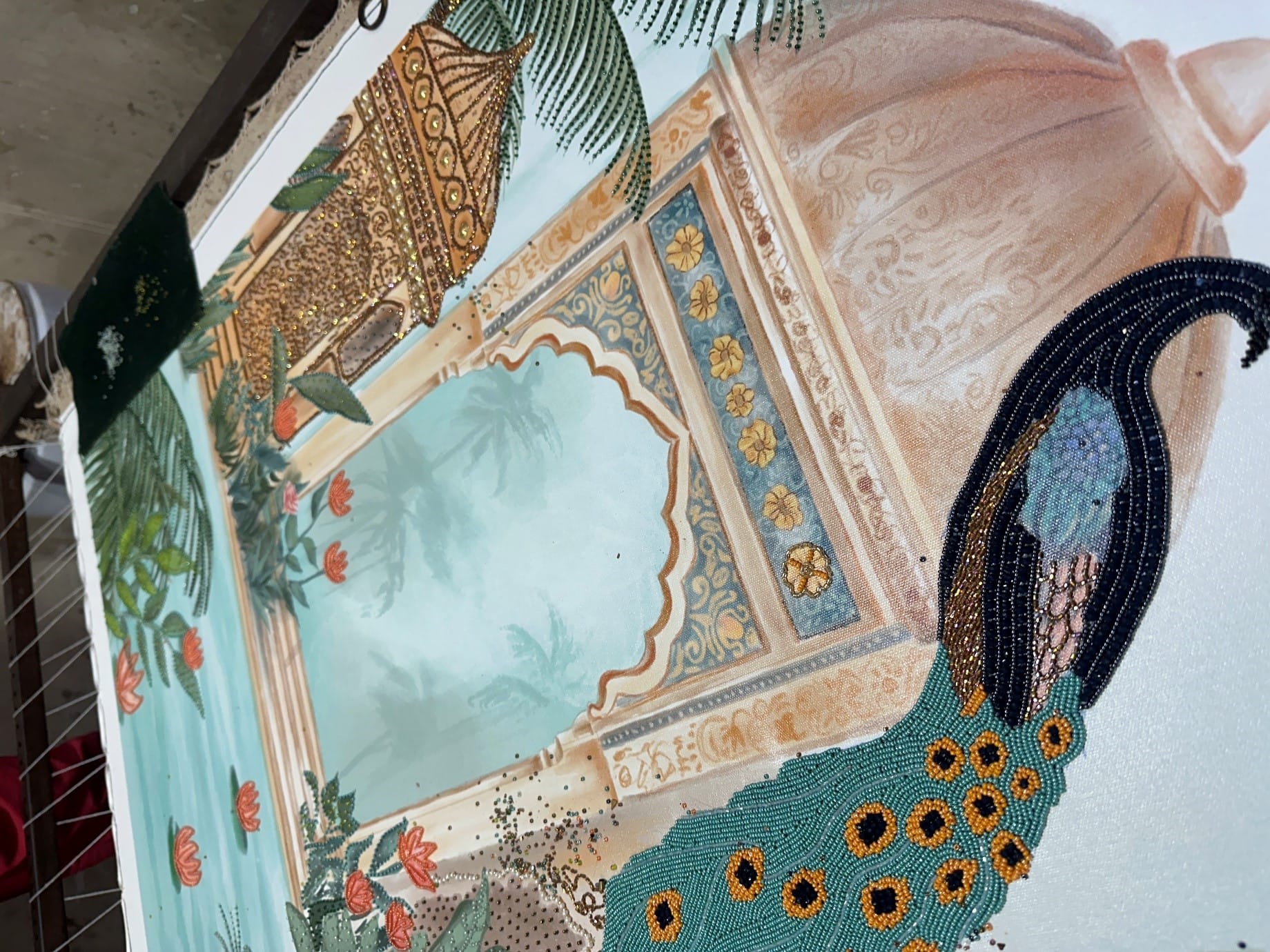
Handmade Wall Panels are gaining attention in interior design because they offer opportunities to introduce texture, visual depth, individuality, and architectural character into residential and commercial spaces. From subtle textured surfaces to bold sculptural compositions, these panels can help create distinctive focal points while complementing different interior styles. Their versatility makes them worth considering for living rooms, bedrooms, hospitality spaces, offices, and retail environments.
For buyers researching Handmade Wall Panels in USA, the most important step is to evaluate each product according to the needs of the project. Material quality, surface finish, installation requirements, maintenance, and suitability for the intended environment all matter when choosing the Best Handmade Wall Panels USA. Comparing these characteristics is more useful than relying solely on product rankings or broad marketing claims about the Top Handmade Wall Panels in USA.
At Studio Ayni, a thoughtful approach to interior design begins with understanding how materials and surfaces contribute to a complete space. By selecting panels that complement the architecture, lighting, and functional requirements of an interior, homeowners and design professionals can create environments that feel distinctive, balanced, and carefully considered.
FAQs
1. What are handmade wall panels used for?
Handmade wall panels are used to add texture, depth, and decorative interest to interior spaces. They can be installed in living rooms, bedrooms, hotels, restaurants, offices, and retail environments, depending on the material and its suitability for the intended application.
2. Why are handmade wall panels popular in interior design?
They offer a way to introduce distinctive patterns, tactile surfaces, and customised design details. They can create focal points, complement different interior styles, and add visual depth without requiring a complete renovation of the room.
3. How do I choose the Best Handmade Wall Panels USA?
Compare material, design, finish quality, dimensions, installation requirements, maintenance needs, and technical suitability. Request samples and product documentation where available, and confirm that the selected panel is appropriate for the room’s environmental conditions.
4. Are handmade wall panels suitable for commercial interiors?
Yes, selected handmade wall panels can be used in hotels, restaurants, offices, and retail spaces. The product must be suitable for the specific environment, and buyers should verify applicable fire performance, durability, cleaning, and installation requirements before specifying it.
5. How do I maintain handmade wall panels?
Maintenance depends on the panel’s material and finish. Follow the manufacturer’s care instructions, use suitable cleaning methods, avoid unapproved abrasive products, and confirm any special requirements before installing panels in moisture-prone or high-traffic areas.