Blog
Custom Textile Panels for Contemporary Architectural Interiors


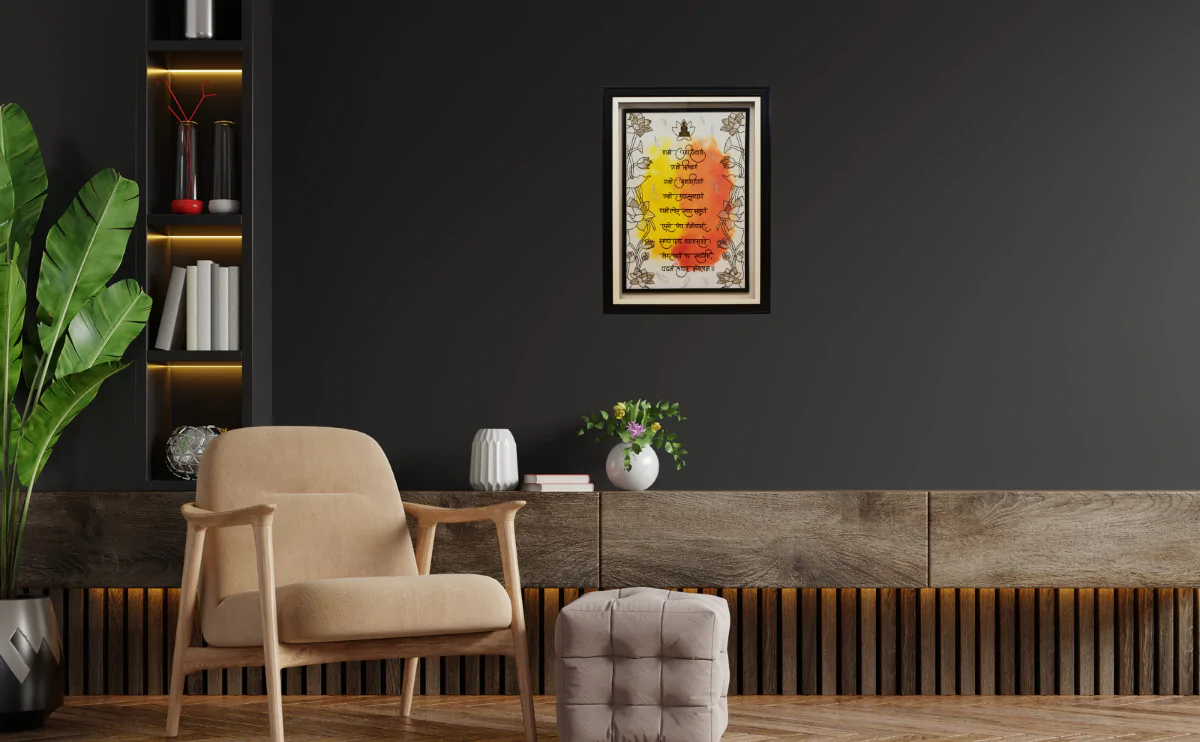
Contemporary architecture is increasingly moving beyond traditional wall finishes and decorative materials to embrace interior elements that bring texture, personality, creativity, and visual depth into a space. Among these evolving design elements, custom textile panels are becoming an interesting choice for architects, interior designers, hospitality brands, and commercial property developers. Unlike conventional wall coverings, textile panels introduce softness, intricate patterns, layered textures, and artistic details that can transform ordinary walls into distinctive design features. They can be customised according to architectural dimensions, colour palettes, material preferences, and interior themes, making them suitable for residential properties, luxury hotels, offices, restaurants, galleries, and other contemporary environments. Whether used as decorative wall installations, artistic partitions, or statement interior features, custom textile panels help create spaces that feel thoughtfully designed and visually engaging.
Studio Ayni brings an artistic approach to textile-based interior design, focusing on the relationship between craftsmanship, material exploration, and contemporary architectural aesthetics. As architects and designers increasingly look for distinctive materials that complement modern spaces, customised textile art offers opportunities to introduce individuality into interior environments. From projects seeking Bespoke Textile Art USA to designers exploring Custom Textile Art UK and Handmade Textile Art Europe, the demand for unique textile-based creations reflects a growing appreciation for handcrafted details and personalised design. Studio Ayni recognises the importance of developing textile solutions that respond to architectural requirements while maintaining artistic character. Custom textile panels can become more than decorative additions; they can help establish the visual identity and atmosphere of an entire interior.
Understanding Custom Textile Panels in Contemporary Architecture
Custom textile panels are decorative or functional interior elements created using textile materials, specialised weaving techniques, embroidery, layering, surface treatments, and other textile-based processes. They are designed according to specific dimensions, design concepts, colour requirements, and architectural applications. Unlike mass-produced wall decorations, customised panels allow designers to introduce unique patterns, textures, and artistic compositions that complement the overall interior concept.
In contemporary architecture, walls are increasingly treated as opportunities for creative expression rather than simply structural boundaries. Textile panels offer a way to introduce softness into spaces dominated by concrete, glass, metal, and stone. Their visual texture can create contrast while helping interiors feel more welcoming and balanced.
Architects can use these panels in reception areas, hotel lobbies, residential living rooms, corporate offices, restaurants, and cultural spaces. Depending on the material and construction, textile panels can also be developed as decorative room dividers, feature walls, and large-scale artistic installations.
Studio Ayni approaches textile design as an opportunity to combine artistic expression with architectural requirements. Each project can be developed around its intended environment, allowing the textile composition to become a natural part of the interior design.
Why Textile Panels Are Becoming Popular in Modern Interior Design
Modern interior design increasingly focuses on creating spaces that offer more than functionality. Designers want environments that communicate a particular mood, reflect a brand identity, and provide memorable visual experiences. Custom textile panels support this approach by introducing materials, textures, and patterns that cannot always be achieved through conventional wall finishes.
One important reason behind their popularity is versatility. Textile panels can be developed in minimalist designs, abstract compositions, geometric patterns, organic forms, or intricate handcrafted arrangements. This flexibility makes them suitable for a wide range of architectural styles, from contemporary residential interiors to sophisticated hospitality environments.
Another advantage is their ability to soften visually rigid spaces. Large areas of stone, glass, concrete, and polished metal can sometimes make interiors feel visually cold. Introducing textured textile elements creates a more balanced material palette and adds warmth without compromising the overall design language.
Textile panels can also become important storytelling elements. A custom design may reflect the architectural concept, cultural influences, natural landscapes, or the visual identity of a particular property. This makes them particularly valuable for boutique hotels, luxury residences, creative offices, and hospitality projects where distinctive interiors contribute to the overall experience.
Bespoke Textile Art USA: Creating Unique Architectural Experiences
The demand for Bespoke Textile Art USA reflects the growing interest in customised artistic elements for residential, hospitality, and commercial interiors. American architects and interior designers frequently work with diverse architectural styles, from contemporary urban apartments and luxury residences to boutique hotels and large commercial developments.
Bespoke textile art provides an opportunity to create installations that respond to the exact dimensions and design requirements of a project. Rather than selecting standard decorative pieces, designers can explore artwork developed around particular wall proportions, colour schemes, textures, and architectural features.
For example, a hotel reception area may benefit from a large textile installation that introduces visual character as guests enter the property. A contemporary residence may use a textured textile artwork as the central feature of a living room. Similarly, a corporate office may incorporate abstract textile panels to create a distinctive environment that reflects its brand identity.
Studio Ayni understands the importance of design flexibility when developing textile-based interior elements. Customisation allows designers to consider the scale, material, pattern, composition, and finishing of each piece according to the project’s requirements.
Custom Textile Art UK for Contemporary Residential and Commercial Spaces
The UK interior design market includes a diverse range of architectural environments, from historic properties and heritage buildings to contemporary apartments, commercial offices, and boutique hospitality spaces. This diversity creates opportunities for Custom Textile Art UK, particularly where designers want to introduce artistic materials that complement both traditional and modern interiors.
Textile artwork can create an interesting contrast within contemporary British interiors. For example, a minimalist residential space featuring neutral walls and natural materials can benefit from a handcrafted textile panel that introduces subtle texture and visual depth. In a commercial environment, a larger textile composition can create a memorable feature without making the overall design feel overcrowded.
Custom textile artwork is also suitable for hospitality projects where interior details contribute to the guest experience. Boutique hotels, restaurants, and private members’ spaces often use distinctive materials to establish a recognisable design identity.
For architects and designers, customisation is especially valuable because every project has different spatial requirements. Textile panels can be developed in specific dimensions, colour combinations, and surface treatments to complement the architectural surroundings.
Studio Ayni supports an approach in which textile art is considered an integral part of interior composition rather than an afterthought. The objective is to create artistic elements that work harmoniously with the architecture, furniture, lighting, and materials within a space.
Handmade Textile Art Europe: Bringing Craftsmanship into Modern Interiors
European interior design has a long relationship with craftsmanship, artistic textiles, material experimentation, and decorative traditions. Today, these influences continue to inspire contemporary architectural projects, where designers combine modern forms with handcrafted details. Handmade Textile Art Europe represents an interesting direction for designers seeking distinctive textile creations that bring individuality and artistic depth into interiors.
Handmade textile art can involve techniques such as weaving, embroidery, stitching, knotting, layering, and other specialised surface treatments. These processes introduce variations in texture and appearance that make each composition visually distinctive.
In residential interiors, handmade textile panels can be used as statement wall installations, decorative bedroom features, or artistic additions to living spaces. In hospitality environments, they can help create a warm and inviting atmosphere while supporting the overall design concept.
European architects and interior designers also work across different material palettes and architectural traditions. Custom textile art can complement natural wood, stone, plaster, glass, and metal finishes, creating an interesting balance between soft and hard surfaces.
Studio Ayni values the creative possibilities of textile craftsmanship and its role in contemporary interiors. Handmade processes can introduce a sense of individuality while allowing designers to explore new interpretations of traditional textile techniques.
Custom Textile Manufacturer USA: What Architects and Designers Should Consider
Selecting the right Custom Textile Manufacturer USA is an important decision for architects, interior designers, hospitality developers, and commercial property owners. Custom textile manufacturing involves more than selecting a pattern or colour. It requires understanding material behaviour, textile construction, dimensions, finishing, installation requirements, and the intended use of the final product.
A suitable manufacturing partner should be able to understand the design brief and translate it into a textile product that meets the project’s technical and visual expectations. This may involve selecting appropriate fibres, developing textile samples, testing different textures, and adjusting the composition according to the architectural application.
For large installations, dimensional accuracy is particularly important. Designers need to consider panel measurements, alignment, joining methods, mounting systems, and finishing details. These technical factors influence how the final textile installation integrates with the surrounding architecture.
Important considerations when selecting a textile manufacturing partner include:
Custom dimensions, patterns, colours, and material options.
Sampling and design development capabilities.
Consistency in textile construction and finishing.
Project-specific production and installation coordination.
Clear communication regarding specifications and timelines.
Studio Ayni understands the importance of combining artistic development with practical manufacturing considerations. A well-developed custom textile solution should support the creative vision while addressing the physical requirements of the intended space.

How Custom Textile Panels Enhance Architectural Interiors
Custom textile panels can influence the overall appearance and atmosphere of an interior in several ways. Their effectiveness depends on the material, scale, design, placement, and relationship with other architectural elements.
Adding Texture and Visual Depth: Textile panels introduce surface variations that can make flat walls more visually interesting. Layered fibres, woven patterns, embroidery, and dimensional details create depth and help establish a stronger visual identity.
Creating Statement Walls: A large textile installation can become the central visual element of a room. It can help define a reception area, hospitality lounge, living room, or meeting space without requiring multiple decorative objects.
Softening Contemporary Materials: Modern architecture frequently uses materials such as concrete, stone, glass, and metal. Textile panels provide a softer visual contrast, helping create a balanced interior environment.
Supporting Interior Design Themes: Custom patterns and colours can be developed to complement furniture, flooring, lighting, and architectural finishes. This allows textile elements to contribute to a unified design language.
Introducing Artistic Individuality: Custom textile panels can be created around a particular design concept, making them more distinctive than standard decorative products.
These applications demonstrate why textile-based elements are becoming increasingly relevant in contemporary architectural and interior design projects.
Different Types of Textile Panels for Contemporary Spaces
The versatility of textile materials allows designers to explore different panel styles according to their aesthetic and functional requirements. Each type offers a different visual effect and can be adapted to specific architectural applications.
Woven Textile Panels: Woven panels use structured interlacing techniques to create patterns and textures. They can range from subtle compositions to intricate decorative designs and are suitable for contemporary residential and hospitality interiors.
Embroidered Textile Art: Embroidery introduces decorative surface details through stitching techniques. It can create intricate patterns, layered compositions, and artistic motifs that add individuality to interior spaces.
Layered Textile Installations: Layered textile panels combine different materials, colours, and surface treatments to create a dimensional appearance. They can be particularly effective in large feature walls and artistic installations.
Abstract Textile Panels: Abstract compositions use colours, shapes, patterns, and textures to create contemporary visual statements. They are suitable for creative offices, modern residences, hotels, and galleries.
Handcrafted Decorative Panels: Handcrafted textile panels focus on the visual character of artisanal techniques. They can introduce unique details and a sense of craftsmanship into architectural environments.
Studio Ayni recognises that the selection of textile techniques should be guided by the architectural concept, desired visual effect, and practical requirements of the project.
Custom Textile Panels for Luxury Hotels and Hospitality Interiors
Hospitality interiors require careful attention to visual identity, guest experience, and material selection. Hotels, resorts, restaurants, and boutique accommodation properties often use distinctive interior elements to create memorable environments. Custom textile panels can support this approach by introducing artistic features that complement the property’s overall design language.
A hotel lobby is one of the first spaces guests experience, making its visual presentation particularly important. A large textile installation can create an attractive focal point while reinforcing the interior concept. Similarly, textile panels in corridors, lounges, and guest areas can help establish continuity throughout the property.
Restaurants and hospitality lounges can use textile artwork to introduce warmth and visual interest. Depending on the material and installation method, textile elements may also be considered for selected acoustic applications, although sound absorption must be verified through appropriate testing rather than assumed from appearance alone.
For luxury hospitality projects, customisation allows designers to develop pieces that complement the property’s identity. Colours, textures, dimensions, and artistic compositions can be selected according to the architectural concept.
Studio Ayni sees textile art as an opportunity to help hospitality designers create distinctive environments through thoughtful material and design choices.
Textile Panels for Offices, Workspaces, and Commercial Interiors
Contemporary workplaces are increasingly designed to support both functionality and visual comfort. Offices are no longer viewed simply as spaces containing desks and meeting rooms. Businesses are investing in environments that reflect their identity, create welcoming experiences, and support different working activities.
Custom textile panels can be incorporated into reception areas, collaborative zones, meeting rooms, executive offices, and breakout spaces. Their visual texture can introduce warmth into environments dominated by glass partitions, metal furniture, and hard flooring.
Businesses can also use custom textile art to strengthen brand identity. For example, an abstract composition may reflect a company’s visual language, while a customised colour palette can complement its existing interior branding.
In selected applications, properly engineered textile panels can contribute to acoustic treatment. However, acoustic performance depends on the fabric, backing, density, mounting arrangement, and tested construction of the panel.
For commercial interior projects, textile selection should consider durability, cleaning requirements, fire safety regulations, and installation specifications. These details help ensure that artistic elements remain appropriate for their intended environment.
The Importance of Material Selection in Custom Textile Manufacturing
Material selection is one of the most important stages in developing custom textile panels. Different fibres and textile constructions create different visual, tactile, and practical characteristics. Understanding these differences helps architects and designers choose materials that complement their project requirements.
Natural fibres such as cotton, wool, linen, and other plant-based materials can offer distinctive textures and appearances. Their suitability depends on the intended application, expected maintenance, environmental conditions, and required durability.
Blended textiles provide another option, combining the characteristics of different fibres. Depending on the composition, blends may support particular requirements relating to texture, strength, appearance, and maintenance.
Designers should also consider colourfastness, shrinkage, surface durability, light exposure, and cleaning methods. Textile panels installed in high-traffic commercial environments may require different specifications from decorative artwork placed in private residential interiors.
Studio Ayni recognises that successful textile design begins with understanding the relationship between material, technique, and architectural application. Selecting suitable materials helps ensure that the finished artwork supports both the visual concept and the practical needs of the space.
Why Customisation Matters in International Textile Art Projects
International architectural projects often involve different design preferences, spatial conditions, material requirements, and cultural influences. Standard textile products may not always provide the dimensions, colours, patterns, or finishing needed for a particular project. Customisation offers designers the flexibility to develop solutions according to the specific requirements of each environment.
For projects in the USA, the UK, and Europe, textile artwork may need to complement different architectural styles and interior design approaches. A contemporary American residence may require a large-scale abstract textile composition, while a European hospitality project may call for handcrafted details and subtle material combinations.
Custom textile development allows designers to explore these differences while maintaining a consistent creative direction. It also supports project-specific dimensions, coordinated colour palettes, and distinctive artistic compositions.
Studio Ayni focuses on the importance of understanding the design brief before developing a textile concept. This process helps connect artistic ideas with the practical requirements of international interior projects.
How to Choose the Right Custom Textile Art Partner
Choosing a textile art partner is an important part of planning an architectural interior project. Designers should look for a partner who understands both the creative vision and the technical requirements of textile production.
The first step is to communicate the project concept, including the intended location, dimensions, colour palette, desired texture, and overall design theme. Reference images, architectural drawings, and material samples can help explain the expected outcome.
The next stage involves material exploration and sample development. Reviewing physical samples allows designers to evaluate colour, texture, thickness, surface quality, and finishing before approving the final design.
Production planning should also include dimensional accuracy, quality inspection, packaging, transportation, and installation coordination. For international projects, clear specifications and communication are especially important.
Studio Ayni believes that successful textile projects are built through collaboration, thoughtful material selection, and attention to detail. A well-planned process helps ensure that custom textile panels become meaningful elements within contemporary architectural interiors.
The Future of Handmade Textile Art in Contemporary Architecture
The future of textile art in architecture is likely to involve greater experimentation with materials, textures, handcrafted processes, and customised installations. As interior designers look for ways to make spaces more distinctive, textile-based elements provide opportunities to move beyond conventional decorative finishes.
The growing interest in material-led design is also encouraging architects to consider how surfaces influence the experience of an interior. Textile panels can introduce visual softness, artistic depth, and individuality while complementing contemporary architectural materials.
Digital design tools and advanced manufacturing processes are creating additional opportunities for customisation. Designers can explore complex patterns, precise dimensions, and coordinated compositions while incorporating traditional textile techniques into contemporary applications.
At the same time, craftsmanship remains important because handmade details can give textile artwork a distinctive character. The combination of artistic exploration, technical development, and architectural collaboration will continue to shape the possibilities of custom textile design.
Studio Ayni believes that textile art has an important role to play in the future of contemporary interiors, offering designers new ways to combine creativity, craftsmanship, and architectural expression.
Conclusion
Custom textile panels are becoming an important design consideration for contemporary architectural interiors because they combine artistic expression, material versatility, texture, and customisation. From luxury residences and boutique hotels to corporate offices, restaurants, and commercial environments, textile installations can transform ordinary surfaces into distinctive design features.
Businesses and designers exploring Bespoke Textile Art USA, Custom Textile Art UK, and Handmade Textile Art Europe are increasingly interested in customised solutions that complement their architectural concepts. Similarly, finding the right Custom Textile Manufacturer USA is essential for developing textile products that meet specific requirements relating to materials, dimensions, craftsmanship, and finishing.
Studio Ayni brings together the creative possibilities of textile art and the requirements of contemporary interior design. By focusing on material exploration, handcrafted details, customised compositions, and architectural applications, Studio Ayni supports a design approach where textile panels become meaningful parts of the spaces they inhabit.
FAQs
1. What are custom textile panels in interior design?
Custom textile panels are specially developed textile-based decorative elements designed according to specific dimensions, colours, textures, patterns, and architectural requirements. They are used in residential, hospitality, commercial, and institutional interiors.
2. Why are custom textile panels popular in contemporary architecture?
They introduce texture, visual depth, artistic character, and softness into modern spaces. They can also create statement walls and complement materials such as concrete, stone, wood, glass, and metal.
3. What is Bespoke Textile Art USA?
Bespoke Textile Art USA refers to customised textile artwork developed for American residential, hospitality, and commercial projects. These creations can be tailored according to design concepts, architectural dimensions, colours, and material preferences.
4. Where can Custom Textile Art UK be used?
Custom Textile Art UK can be incorporated into contemporary homes, boutique hotels, restaurants, corporate offices, galleries, and other architectural environments where personalised textile installations enhance the interior design.
5. What makes Handmade Textile Art Europe different?
Handmade Textile Art Europe highlights textile creations developed using artisanal techniques such as weaving, embroidery, stitching, and layering. These processes introduce individual details and distinctive textures into contemporary interiors.