
Blog
How to Choose the Right Hospitality Wall Panels for Hotel Interiors


Choosing the right wall finish is an important part of creating a successful hotel interior. Hospitality spaces need to look distinctive and welcoming while also performing well under regular use. Hotel lobbies, guest rooms, corridors, restaurants, lounges, conference areas and other shared spaces all have different functional and design requirements. This is why hospitality wall panels have become an increasingly useful option for architects, interior designers, developers and hotel owners looking for a combination of visual impact, practical performance and design flexibility. The right panel can help create depth, texture, warmth and character while contributing to a cohesive interior concept.
For hotel projects in the USA and other international markets, wall panels should be selected as part of the overall interior strategy rather than simply as a decorative surface. Designers need to consider the location of the installation, the expected traffic, maintenance requirements, lighting, color palette, panel dimensions, installation method and the visual identity of the property. A carefully selected panel can become an important architectural feature that supports the guest experience. Studio Ayni works with design-led wall panel solutions intended for hospitality and commercial interiors, helping architects and designers explore wall treatments that complement the character and requirements of their projects.
What Are Hospitality Wall Panels?
Hospitality wall panels are decorative or functional wall-surface systems designed for environments such as hotels, resorts, restaurants, lounges, clubs and other commercial spaces where both appearance and practical performance matter. Depending on the design and application, panels can introduce texture, pattern, dimensionality, acoustic qualities or a specific material character to an interior.
Unlike a basic painted wall, a panel system can become part of the architectural language of a space. It may be used to create a feature wall behind a hotel reception desk, add visual interest to a guest room, define a restaurant interior or bring warmth and texture to a corridor. The design possibilities can range from subtle and understated surfaces to highly expressive installations.
For hospitality projects, the selection process should begin with the purpose of the wall rather than simply the appearance of the panel. A feature wall in a lobby may have different requirements from a corridor wall or a guest-room installation. Understanding the environment helps designers select a solution that works visually and practically.
Why Hospitality Wall Panels Matter in Hotel Interior Design
Hotels compete heavily on experience. From the moment guests enter a property, interior details contribute to their perception of the brand. Walls represent a large amount of visible surface area, which means the choice of wall treatment can have a significant influence on the atmosphere of a space.
Hospitality wall panels can help designers create focal points, introduce material variation and establish a recognizable design language. Instead of relying on furniture and lighting alone, wall surfaces can become part of the visual story.
In a contemporary hotel, for example, textured panels may add depth to a minimalist interior. In a boutique property, a more artistic wall treatment can reinforce a distinctive identity. In a resort environment, natural-looking materials and organic patterns may complement the surrounding setting.
The important point is that wall panels should support the design concept rather than compete with it. A good selection considers the architecture, furniture, lighting, colors and intended guest experience as one connected system.
How to Choose the Right Hospitality Wall Panels
The right hospitality wall panels depend on the specific requirements of the hotel project. There is no single panel that is automatically best for every property. Architects and interior designers should evaluate the intended application, design concept, maintenance expectations, material characteristics and installation requirements before making a final decision.
One of the first questions to ask is where the panels will be installed. A hotel lobby may prioritize visual impact, while guest rooms may require a more calming appearance. Corridors can benefit from durable and easy-to-maintain wall solutions, while restaurants may require surfaces that complement lighting and furniture.
The scale of the installation also matters. Large-format panels can create a clean architectural appearance, while smaller or modular elements can allow more detailed patterns and compositions. The size and layout should work with the dimensions of the wall so the final installation feels intentional rather than forced.
Consider the Hotel’s Interior Design Concept
Every successful hospitality project usually begins with a design direction. Before selecting wall panels, designers should understand the property’s intended identity and atmosphere.
A luxury urban hotel may require a sophisticated contemporary surface, while a coastal resort might benefit from organic textures and natural visual references. A boutique hotel may use artistic wall treatments to create memorable spaces, while a business hotel may prefer understated surfaces that support a professional environment.
Hospitality wall panels should therefore be selected according to the broader interior concept. Consider the relationship between wall panels and flooring, ceiling treatments, furniture, lighting fixtures, fabrics and architectural details.
The best result usually comes when the wall treatment feels integrated into the architecture rather than appearing as an afterthought.
Select Panels According to the Installation Area
Different areas of a hotel experience different levels of use. This should influence the selection of wall panels.
Hotel lobbies are highly visible areas where designers may want a strong visual feature. Guest rooms require a comfortable and cohesive atmosphere. Corridors experience continuous movement and may need practical surfaces that are easier to maintain. Restaurants and lounges often rely heavily on mood and lighting, making texture and surface appearance particularly important.
For meeting rooms and conference areas, designers may also consider acoustic performance alongside aesthetics. In these environments, wall treatments can potentially contribute to a more comfortable experience when the appropriate acoustic solution is specified.
Rather than selecting one panel for the entire property, designers can create a coordinated material palette using different wall treatments for different zones.
Think About Texture, Pattern and Depth
One of the biggest advantages of wall panels is the ability to introduce visual depth. Flat walls can sometimes make large interiors feel visually repetitive, whereas textured or dimensional surfaces can add character.
Texture should be selected according to the overall design direction. Fine textures can provide subtle sophistication, while stronger patterns can create an architectural focal point.
Pattern scale is also important. A large pattern can become overwhelming when used across a small wall, while a very subtle texture may disappear in a large lobby. Designers should evaluate how the panel will look from different distances and under the property’s actual lighting conditions.
This is particularly important for hotel environments because guests experience interiors from different viewpoints. A wall that looks attractive in a small material sample may have a completely different visual effect when installed across an entire surface.
Evaluate Material and Surface Characteristics
Material selection is another important consideration when comparing the best hospitality wall panels for a project. Designers should understand how the panel material behaves, how it is finished and where it is appropriate for installation.
The surface should complement the expected use of the area. High-visibility hospitality environments often require finishes that remain visually consistent and can be maintained as part of regular property operations.
Designers should also review technical information supplied by the manufacturer or supplier before specifying a product. This can include dimensions, weight, installation requirements, substrate compatibility, finish information and maintenance guidance.
Technical documentation is especially important for commercial projects because the wall treatment needs to integrate with architectural drawings, construction schedules and installation planning.
Maintenance Should Be Part of the Decision
Hotels operate continuously, which means maintenance is an important part of interior design. A beautiful wall finish that is difficult to clean or repair may create unnecessary operational challenges.
When selecting hospitality wall panels, hotel owners and designers should consider how the surface will be maintained over time. Ask about recommended cleaning methods, resistance to everyday wear, repair options and availability of replacement components where relevant.
Maintenance requirements can vary according to material and finish. Therefore, designers should obtain the manufacturer’s care instructions before final specification.
The goal is to choose a wall solution that continues to support the interior concept after the initial installation rather than one that becomes difficult to manage as the property ages.
Consider Lighting Before Finalizing Wall Panels
Lighting can dramatically change the appearance of a wall surface. A panel that appears subtle in natural light may become highly dimensional under directional lighting. Similarly, a textured surface can create shadows that add depth to a feature wall.
For hotel interiors, designers should evaluate wall panels under the lighting conditions expected in the final space. Consider ambient lighting, accent lighting, daylight exposure and the direction of illumination.
This is particularly important in lobbies, restaurants and lounges where lighting is often deliberately designed to create atmosphere. A textured hospitality wall panel can interact with light to create changing visual effects throughout the day and evening.
Whenever possible, material samples should be reviewed under representative lighting before the final specification is approved.
Hospitality Wall Panels for Hotel Lobbies
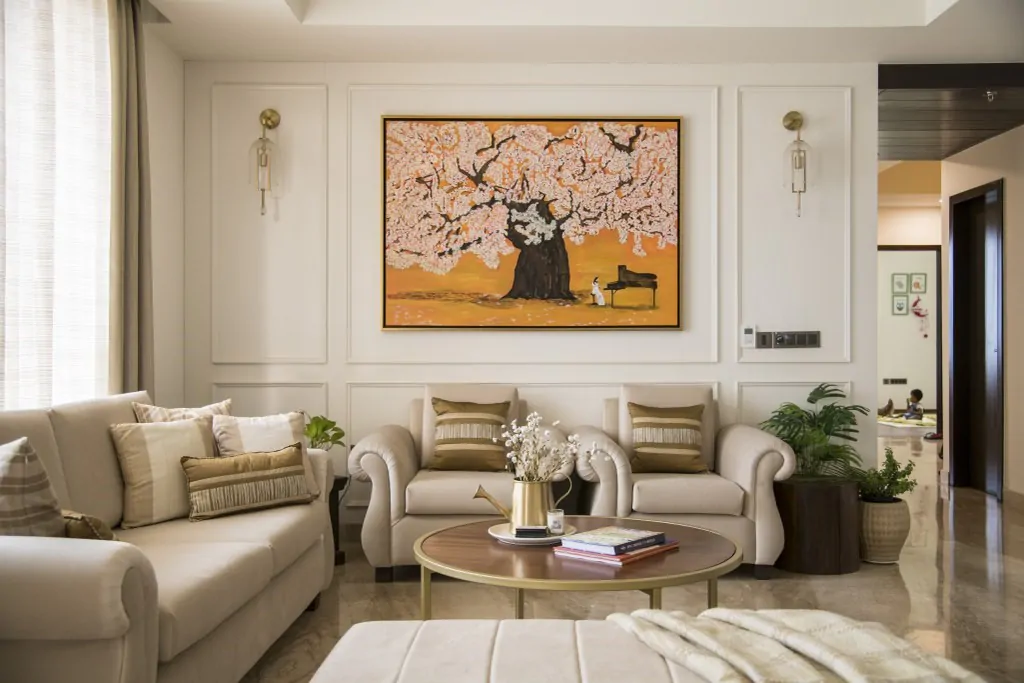
The lobby is often one of the most important areas for creating a first impression. Guests immediately encounter the reception desk, seating, lighting and architectural finishes, making the lobby an ideal location for a distinctive wall treatment.
A carefully selected wall panel can be used behind the reception desk, along a major architectural wall or as part of a branded feature installation. The design can help establish the hotel’s visual identity while giving guests a memorable first impression.
For a lobby installation, designers should pay attention to scale, sightlines and lighting. The wall should be visually strong enough to make an impact but still work with the furniture, reception counter and other architectural elements.
Hospitality Wall Panels for Guest Rooms
Guest rooms require a different approach because comfort and visual calm are generally important. Wall panels can be used behind beds, around seating areas or on selected accent walls to introduce texture without overwhelming the room.
A feature wall behind the bed can create a natural focal point and help visually anchor the furniture arrangement. Subtle textures can add depth while maintaining a comfortable atmosphere.
When specifying wall panels for guest rooms, designers should also consider how the material interacts with bedside lighting, wall fixtures and other furniture. The panel should work with the room’s proportions and not interfere with electrical or architectural requirements.
Wall Panels for Hotel Corridors
Hotel corridors often contain long stretches of wall that can become visually repetitive. Wall panels provide an opportunity to introduce rhythm, texture and variation across these areas.
Because corridors experience regular guest movement and operational activity, practical considerations become particularly important. Designers should review the expected traffic level, maintenance requirements and installation details before selecting a panel.
Repeating panel modules can create a consistent visual rhythm, while selected feature areas can break up long corridors. The result can make circulation spaces feel more intentional and connected to the hotel’s overall design language.
Hospitality Wall Panels for Restaurants and Lounges
Restaurants and lounges depend heavily on atmosphere. Interior finishes, lighting, seating and material selection all contribute to the dining or social experience.
Wall panels can create a strong backdrop for seating areas, bars or dining zones. Textured surfaces can interact with ambient and decorative lighting to create depth and warmth.
In restaurant interiors, designers should also consider cleaning and maintenance requirements because food and beverage environments can involve more frequent surface cleaning. The selected wall treatment should be appropriate for the intended application and maintained according to the manufacturer’s recommendations.
Acoustic Considerations for Hospitality Interiors
Sound management can be an important part of hotel design, particularly in restaurants, conference rooms, lounges and shared spaces. In these environments, excessive reverberation can affect comfort and communication.
Some wall panel systems are designed with acoustic performance in mind. Where acoustic control is a project requirement, designers should review tested acoustic data rather than assuming that every decorative wall panel provides meaningful sound absorption.
This is a good example of why technical information matters when selecting hospitality wall panels. Aesthetic appearance and functional performance should both be considered during specification.
Custom Hospitality Wall Panels for Distinctive Hotel Designs
Hotels often want interiors that feel unique rather than interchangeable. Custom wall panels can help architects and designers develop a more specific visual identity.
Customization may involve dimensions, patterns, finishes, configurations or design development depending on the manufacturer’s capabilities. This can be particularly useful for boutique hotels, branded properties and hospitality projects with a strong architectural concept.
A custom wall treatment can also help create continuity across different spaces. For example, a design language introduced in the lobby can be adapted for guest rooms, corridors or restaurants while changing scale or configuration according to the application.
Why Studio Ayni Is Relevant for Hospitality Wall Panel Projects
Studio Ayni focuses on design-led wall panel solutions for interiors where visual character and architectural expression are important. For hospitality projects, the approach can support designers looking for wall treatments that contribute to a property’s overall material and design language.
The product selection can be considered for applications where decorative wall surfaces need to work with broader interior concepts. Rather than treating a wall panel as an isolated product, designers can explore how it fits within the complete environment, including furniture, lighting, materials and architectural details.
For architects, interior designers and hospitality developers, early communication with a wall panel provider can also help clarify available dimensions, finishes, installation considerations and customization possibilities before final specification.
How to Compare Hospitality Wall Panels in the USA
When comparing hospitality wall panels in USA projects, buyers should avoid focusing on appearance alone. A professional comparison should consider design suitability, technical characteristics, material information, installation requirements, maintenance and project support.
The best hospitality wall panels in USA projects will depend on the individual requirements of the property. A panel that works exceptionally well in a boutique hotel lobby may not necessarily be the best choice for a high-traffic corridor or restaurant.
International designers should also consider lead times and project coordination. Commercial hospitality projects often operate according to strict construction schedules, so product availability, manufacturing timelines and installation planning can influence the success of the project.
Working with a supplier or manufacturer that can provide clear product information and responsive project communication can make the specification process easier.
Common Mistakes to Avoid When Selecting Wall Panels
One common mistake is choosing a panel solely because it looks attractive in a small sample. The final installation can appear very different depending on wall size, lighting, viewing distance and surrounding materials.
Another mistake is ignoring maintenance requirements. Hotel interiors are used continuously, so the long-term care of the wall surface should be considered from the beginning.
Designers should also avoid selecting panels before understanding the substrate and installation requirements. A visually suitable product may require specific preparation or installation conditions.
Finally, using too many unrelated wall treatments can make a hotel interior feel inconsistent. A coordinated material strategy generally produces a more cohesive result.

Questions to Ask Before Choosing Hospitality Wall Panels
Before approving a wall panel for a hotel project, buyers should ask several practical questions. What material is the panel made from? What finishes and dimensions are available? Where is it recommended for installation? What are the maintenance requirements? How is it installed? Is customization available? Are technical specifications and installation documentation provided? What are the expected production and delivery timelines?
These questions help move the decision beyond aesthetics and toward a complete evaluation. For large hospitality projects, it is also useful to request samples and technical documentation early so that the design team can assess the product before final specification.
Final Thoughts
Choosing the right hospitality wall panels is about finding the balance between design, functionality and long-term practicality. Hotels and hospitality environments require wall treatments that support the architectural concept while also responding to real-world requirements such as maintenance, installation, traffic and lighting.
For USA hospitality projects, designers should evaluate each panel based on the specific location and intended application rather than searching for one universal solution. Lobby feature walls, guest rooms, corridors, restaurants, lounges and conference spaces can all benefit from different approaches.
The right wall panel can do more than cover a wall. It can establish a focal point, add texture, support a brand identity, create visual continuity and contribute to the overall guest experience. By reviewing material characteristics, design compatibility, maintenance, technical information and installation requirements, architects, designers and hotel developers can make more informed decisions.
Studio Ayni provides design-focused wall panel solutions for projects where interior surfaces are an important part of the overall architectural expression. For hospitality designers looking to develop distinctive hotel environments, exploring the right wall panel early in the design process can help create interiors that are visually considered, cohesive and appropriate for the demands of hospitality spaces.
FAQs
1. What are the best hospitality wall panels for hotel interiors?
The best hospitality wall panels depend on the location, design concept and functional requirements of the hotel. Designers should consider material, texture, durability, maintenance, lighting, installation and technical specifications before choosing a panel for a specific hospitality application.
2. How do I choose hospitality wall panels for a hotel lobby?
For hotel lobbies, consider the hotel’s brand identity, wall size, viewing distance, lighting and surrounding materials. A visually distinctive panel can create a focal point behind reception or on a feature wall, while the selected finish should remain compatible with the operational requirements of the space.
3. Are hospitality wall panels suitable for hotel guest rooms?
Yes, wall panels can be used in hotel guest rooms as accent walls, headboard backdrops and other decorative applications. Designers should select a finish that complements the room’s furniture, lighting, proportions and overall atmosphere while reviewing the applicable installation and maintenance requirements.
4. Can hospitality wall panels be customized?
Depending on the manufacturer and product system, customization may be available for dimensions, patterns, configurations and finishes. Custom panels can be particularly useful for hotels that want a distinctive interior identity or a coordinated wall treatment across multiple areas.
5. Are wall panels suitable for restaurants and hotel lounges?
Wall panels can be suitable for restaurants and lounges when the selected product is appropriate for the intended application. Designers should consider appearance, lighting, cleaning requirements, maintenance and installation details before specifying a wall treatment for these environments.