
Blog
Why Embroidery Art is Trending in Sustainable Fashion

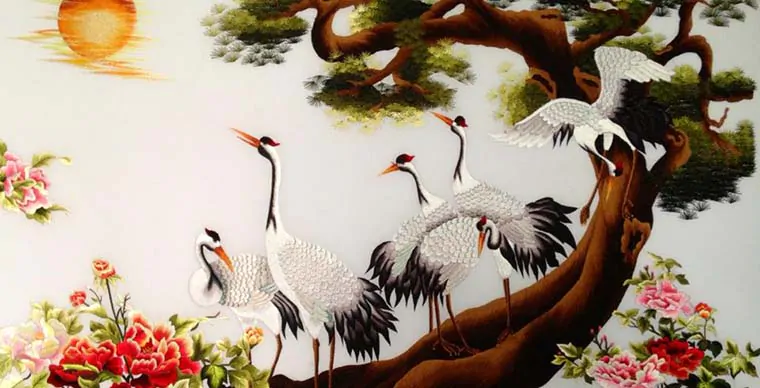
In recent years, the fashion industry has witnessed a powerful shift toward sustainability, where consumers are becoming more conscious about what they wear and how it impacts the environment. Fast fashion is gradually losing its charm as people move toward ethical, eco-friendly, and handcrafted alternatives. In this evolving landscape, embroidery art has emerged as a timeless and sustainable choice that beautifully blends tradition with modern design.
At Studio Ayni, we believe that fashion should not only look good but also feel meaningful. Embroidery is no longer just a decorative craft—it has become a symbol of slow fashion, creativity, and cultural preservation. From hand embroidery work designs to modern hand embroidery designs, this art form is redefining how people perceive clothing and personal style in a sustainable world.
The Rise of Sustainable Fashion
Sustainable fashion focuses on reducing environmental impact, promoting ethical production, and encouraging mindful consumption. It values quality over quantity and celebrates craftsmanship instead of mass production.
Embroidery fits perfectly into this movement because it emphasizes handmade artistry, durability, and personalization. Unlike machine-made designs, embroidery designs handmade carry a human touch, making every piece unique and long-lasting. This aligns with the core principles of sustainability—reducing waste and increasing the lifecycle of garments.
The Beauty of Embroidery Art in Modern Fashion
Embroidery art has evolved significantly over time. While traditional patterns still hold cultural importance, today’s designers are experimenting with modern hand embroidery designs that appeal to contemporary tastes.
From minimal floral patterns to bold abstract motifs, embroidery is now seen on everything—shirts, dresses, jackets, bags, and even footwear. This versatility makes embroidery a key player in sustainable fashion, as it allows old or plain garments to be transformed into stylish, wearable pieces without the need for new resources.
At Studio Ayni, we embrace both tradition and innovation by combining classic techniques with modern aesthetics, ensuring that embroidery remains relevant in today’s fashion world.
Why Embroidery Art is Eco-Friendly
Handcrafted Process
Embroidery is primarily done by hand, which reduces the reliance on heavy machinery and energy consumption. This makes it an environmentally friendly alternative to mass-produced designs.
Low Waste Production
Unlike fast fashion, embroidery does not generate excessive waste. Skilled artisans use threads and fabrics efficiently, making it a sustainable choice.
Long-Lasting Designs
Clothing with hand embroidery work designs tends to last longer due to the durability of stitching, reducing the need for frequent replacements.
Upcycling Potential
Old garments can be revived with embroidery art, turning them into fresh, stylish pieces without contributing to textile waste.
The Emotional Value of Handmade Embroidery
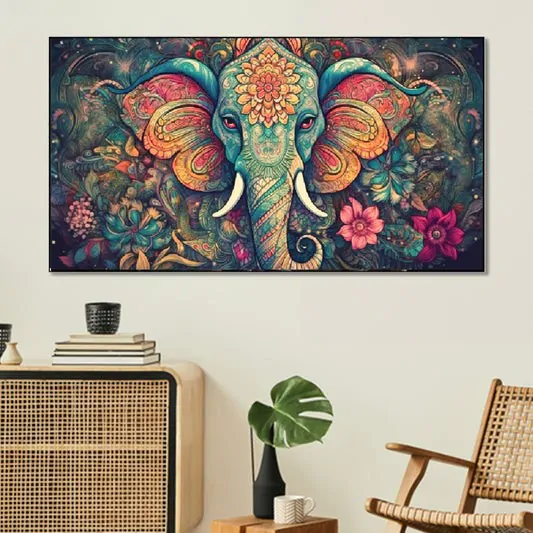
One of the strongest reasons behind the popularity of embroidery in sustainable fashion is its emotional value. Handmade items carry stories, effort, and creativity, which cannot be replicated by machines.
When people wear clothes featuring embroidery designs handmade, they feel a deeper connection to the product. It is no longer just clothing—it becomes a piece of art. This emotional attachment encourages people to cherish their garments longer, reducing overconsumption.
Supporting Artisans and Local Craft
Embroidery plays a crucial role in supporting local artisans and preserving traditional skills. Many communities depend on embroidery as their primary source of income.
By choosing embroidered clothing, consumers contribute to ethical fashion practices and help sustain livelihoods. Studio Ayni actively supports skilled artisans by promoting handcrafted work and ensuring fair opportunities for their talent to shine.
Embroidery as a Tool for Personal Expression
Modern consumers are increasingly looking for individuality in their clothing. Embroidery allows for customization and personalization, making each piece unique.
Whether it’s initials, patterns, or artistic motifs, modern hand embroidery designs give people the freedom to express themselves through fashion. This shift toward personalized clothing reduces the demand for mass-produced items and supports sustainable practices.
The Fusion of Tradition and Innovation
Embroidery beautifully bridges the gap between heritage and modernity. Traditional techniques are being reimagined with contemporary designs, creating a fusion that appeals to a wider audience.
Designers are experimenting with colors, textures, and patterns to create innovative embroidery art that suits modern lifestyles. Studio Ayni focuses on blending cultural richness with modern creativity, ensuring that embroidery continues to evolve while staying rooted in tradition.
Slow Fashion and the Role of Embroidery
Slow fashion encourages thoughtful purchasing decisions and values quality craftsmanship. Embroidery aligns perfectly with this philosophy as it requires time, skill, and patience.
Unlike fast fashion, where clothes are produced quickly and discarded easily, embroidered garments are designed to be cherished. The intricate detailing in hand embroidery work designs adds value, making each piece worth preserving for years.
Embroidery in Everyday Wear
Embroidery is no longer limited to festive or traditional outfits. It has become a part of everyday fashion, making sustainable choices more accessible.
From casual shirts with subtle patterns to statement jackets with bold embroidery, this art form fits seamlessly into daily wardrobes. The rise of modern hand embroidery designs has made it easier for people to incorporate sustainable fashion into their routine.
The Role of Studio Ayni in Sustainable Fashion
At Studio Ayni, our vision is to promote mindful fashion through artistic expression. We believe that embroidery is more than just decoration—it is a way to tell stories, preserve culture, and support sustainability.
Our collections focus on high-quality craftsmanship, unique embroidery designs handmade, and designs that resonate with modern consumers. By choosing Studio Ayni, customers become part of a movement that values creativity, ethics, and sustainability.
Future of Embroidery Art in Fashion
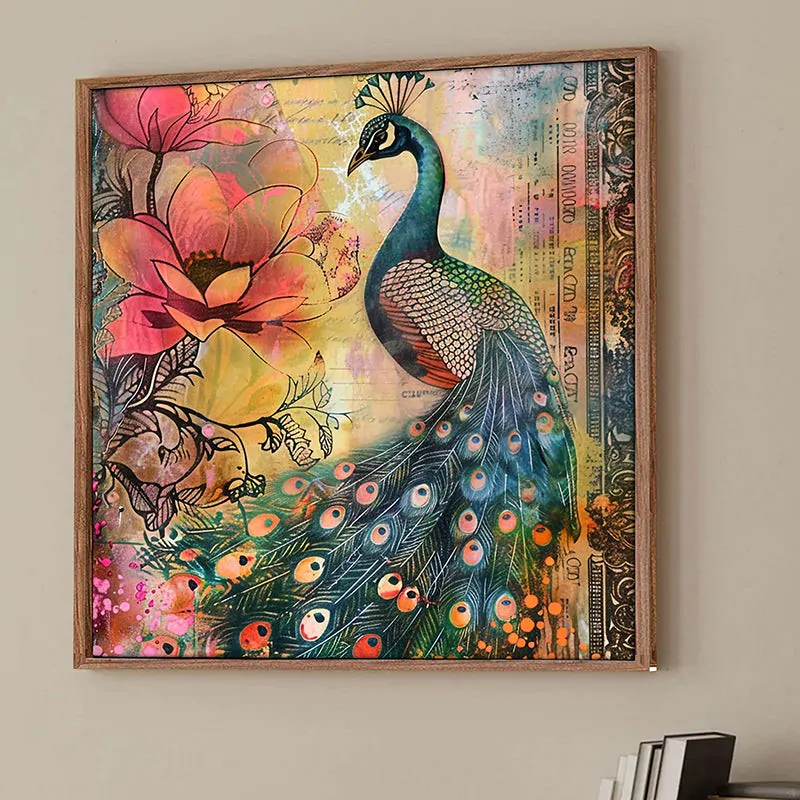
The future of embroidery in sustainable fashion looks promising. As awareness grows, more people are choosing handmade and eco-friendly options over fast fashion.
Innovations in design and technique will continue to expand the possibilities of embroidery art, making it even more versatile and appealing. With increasing demand for ethical fashion, embroidery is set to become a cornerstone of the industry.
Conclusion
Embroidery art is not just a trend—it is a movement toward a more sustainable and meaningful fashion industry. Its ability to combine tradition, creativity, and eco-consciousness makes it a powerful tool in redefining modern fashion.
From hand embroidery work designs to contemporary innovations, embroidery offers a unique blend of beauty and responsibility. At Studio Ayni, we are proud to be part of this journey, promoting handcrafted fashion that respects both people and the planet.
As consumers continue to embrace sustainability, embroidery will remain a timeless choice—proving that true style lies in authenticity, craftsmanship, and conscious living.
Frequently Asked Questions (FAQs)
1. What is embroidery art in sustainable fashion?
Embroidery art in sustainable fashion refers to the use of handcrafted stitching techniques to enhance garments in an eco-friendly way. Unlike machine-based production, embroidery designs handmade focus on durability, uniqueness, and reducing environmental impact, making them a key element of slow fashion.
2. Why is hand embroidery work designs becoming popular?
Hand embroidery work designs are gaining popularity because they offer uniqueness, craftsmanship, and long-lasting quality. In a world dominated by mass production, people are choosing handmade designs for their authenticity and sustainable value.
3. How does embroidery art support sustainability?
Embroidery art supports sustainability by minimizing waste, reducing energy consumption, and promoting the reuse of garments. It also encourages slow fashion practices where clothes are valued and worn for a longer time.
4. What are modern hand embroidery designs?
Modern hand embroidery designs are contemporary patterns that blend traditional techniques with current fashion trends. These include minimalistic motifs, abstract art, and personalized designs that appeal to today’s style preferences.
5. Are embroidery designs handmade better than machine embroidery?
Yes, embroidery designs handmade are often considered better in terms of uniqueness, detailing, and sustainability. Handmade embroidery carries a personal touch and lasts longer, whereas machine embroidery is faster but lacks individuality.