
Blog
Custom Embroidered Interior Panels: The Perfect Blend of Art and Design

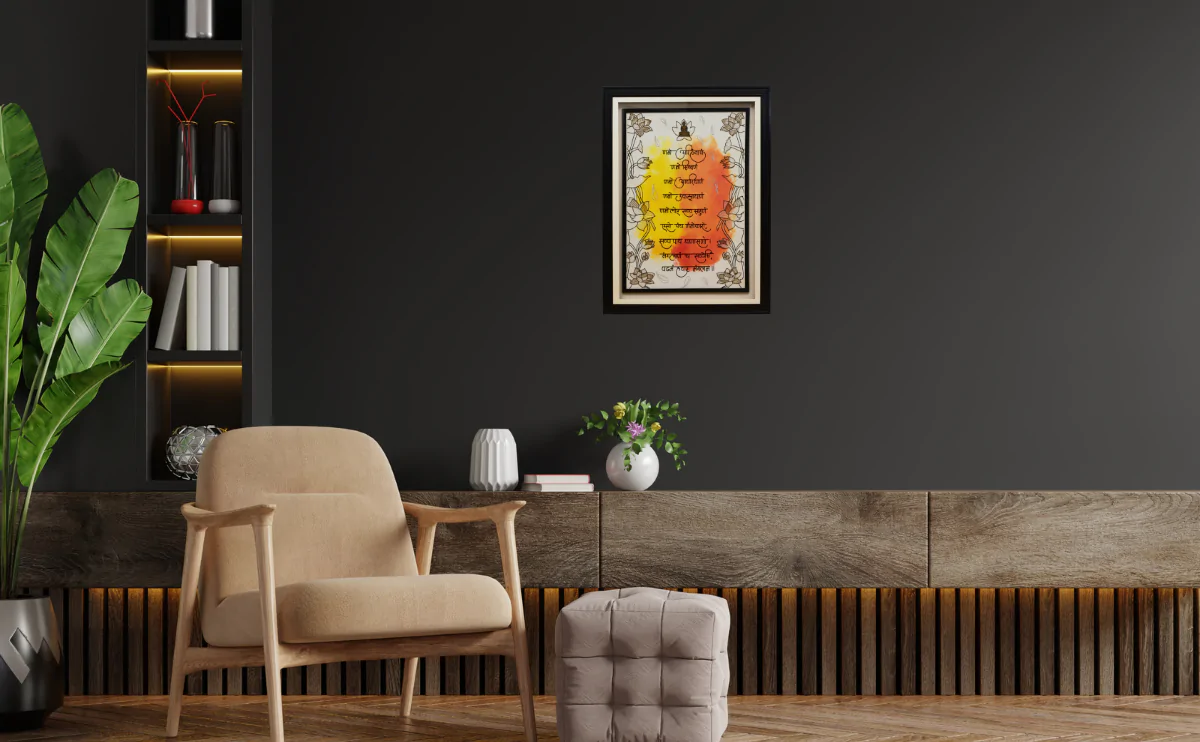
Interior design is moving beyond traditional paint, wallpaper, and conventional wall décor. Today, designers, architects, hospitality brands, commercial spaces, and homeowners are looking for creative ways to add texture, personality, and visual depth to interiors. Custom Embroidered Interior Panels offer an elegant solution by combining textile craftsmanship with contemporary interior architecture. These panels can transform an ordinary wall into a distinctive design feature while introducing tactile surfaces, artistic patterns, and a sophisticated sense of warmth.
At Studio Ayni, we understand that interior surfaces can play an important role in defining the atmosphere of a space. Embroidered Interior Panels, Custom Wall Panels, Bespoke Wall Panels, and Textile Wall Panels can be designed to complement a property’s architectural style, furniture, lighting, and overall color palette. From luxury hotels and restaurants to residential interiors, offices, galleries, and boutique retail spaces, custom textile panels provide designers with an opportunity to create walls that are functional, expressive, and visually memorable.
What Are Custom Embroidered Interior Panels?
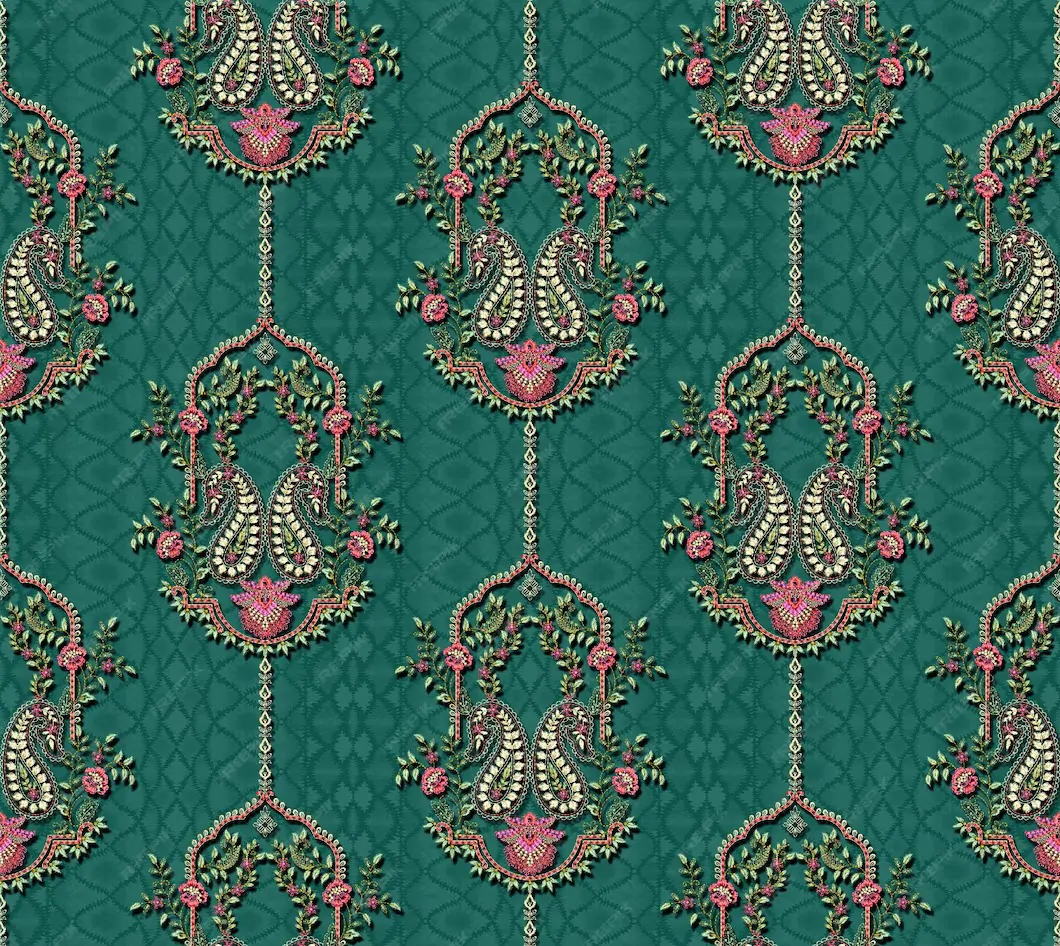
Custom Embroidered Interior Panels are decorative wall surfaces that incorporate embroidery, textile techniques, patterns, textures, and artistic detailing into a structured interior panel. Unlike conventional printed wall coverings, embroidered panels introduce physical texture that can be seen and experienced from different angles.
The embroidery can be developed using different patterns, motifs, thread arrangements, colors, and densities depending on the desired aesthetic. The finished panel may feature subtle geometric details, botanical-inspired artwork, abstract compositions, traditional craft influences, or contemporary artistic forms.
Because these panels can be customized, designers are not limited to standard patterns. A project can be developed around a specific architectural concept, brand identity, artwork, cultural reference, or interior color scheme. This makes embroidered panels particularly suitable for projects where individuality and design storytelling are important.
Why Embroidered Interior Panels Are Becoming Popular
Walls occupy a significant visual area in most interiors, yet they are often treated as background surfaces. Embroidered wall panels change this approach by making the wall itself part of the artwork. Instead of simply covering a surface, the panel can contribute to the overall visual narrative of the room.
The combination of fabric and embroidery creates depth that can be difficult to achieve with flat wall treatments. Light interacts with raised threads and textile surfaces, creating subtle shadows and highlights that change throughout the day. This makes Embroidered Interior Panels especially interesting for hospitality, residential, and commercial environments where atmosphere matters.
The flexibility of textile also allows designers to introduce softness into spaces that contain hard materials such as stone, glass, metal, concrete, and wood. When carefully integrated, textile panels can create a more balanced visual composition.
Custom Embroidery Creates a Unique Design Language
One of the strongest advantages of Custom Embroidered Interior Panels is the ability to develop a design that is specific to a project. Instead of choosing from a limited catalogue, architects and designers can explore customized artwork.
For example, a hotel may commission panels inspired by local landscapes or cultural patterns. A restaurant may incorporate embroidery based on its culinary identity. A corporate office could use abstract patterns inspired by its brand language, while a residential project may feature artwork created around the homeowner’s personal aesthetic.
This ability to customize the visual language means that embroidered panels can become more than decorative products. They can become part of the identity of the space.
The Difference Between Custom Wall Panels and Embroidered Panels
Custom Wall Panels is a broad category that includes many different materials and surface treatments, including wood, metal, acoustic materials, stone, glass, and textiles. Embroidered panels are a specialized type that focuses on textile surfaces and decorative stitching.
The main difference is the tactile and artistic quality created by embroidery. A conventional decorative panel may rely primarily on color, material, or printed imagery, while an embroidered panel adds dimensional textile detailing.
This makes embroidered wall treatments suitable for designers looking to combine visual art with material expression. The panel can be designed to stand out as a focal point or work more subtly as part of a larger interior scheme.
Bespoke Wall Panels for Luxury Interiors
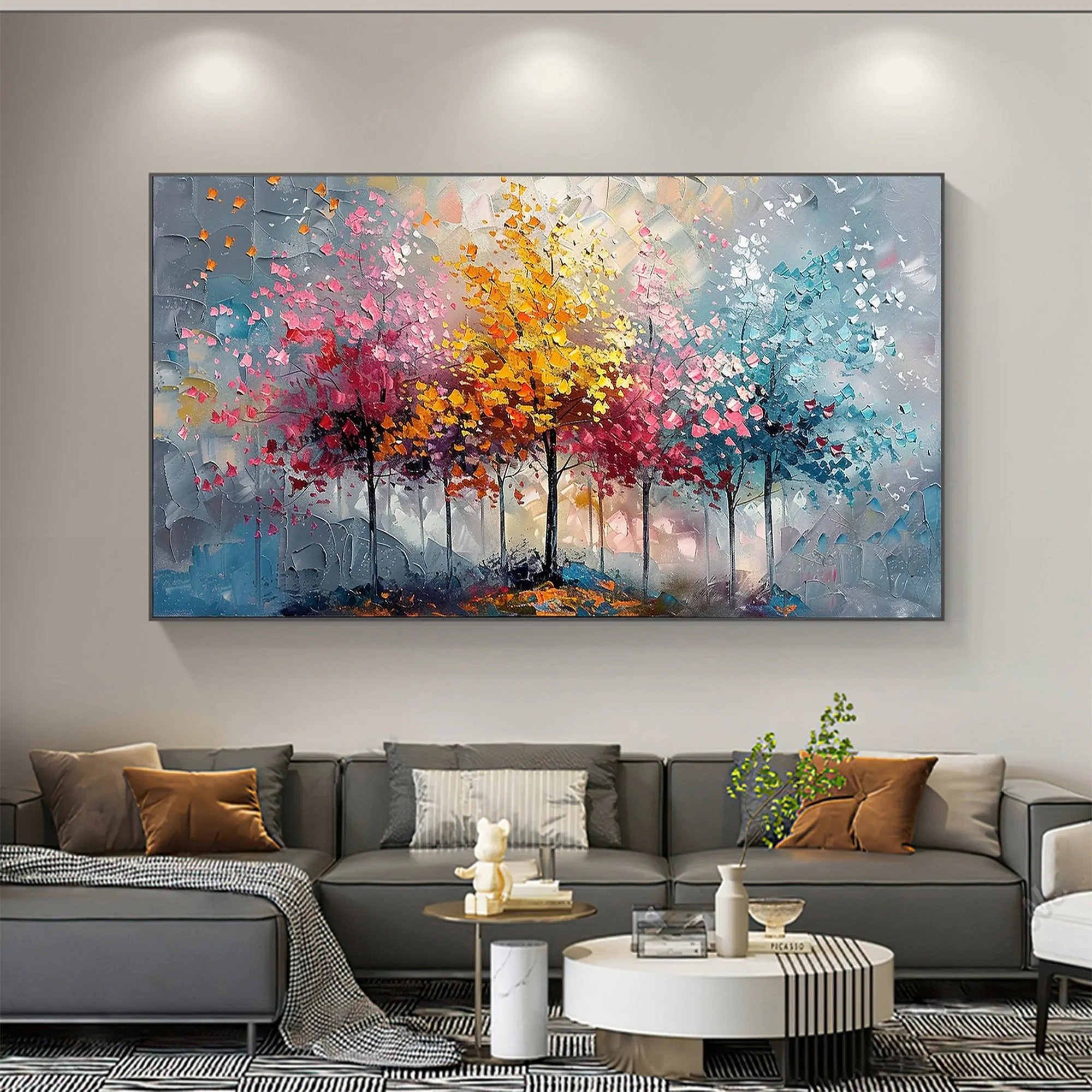
Luxury interiors often require details that feel distinctive rather than mass-produced. Bespoke Wall Panels allow designers to develop surfaces according to the specific dimensions, aesthetic, and architectural requirements of a project.
Bespoke embroidered panels can be created around wall dimensions, furniture layouts, lighting conditions, and surrounding materials. This makes them particularly useful for feature walls, reception areas, headboards, corridors, dining spaces, private lounges, and other areas where a strong visual statement is required.
The term “bespoke” is important because customization can extend beyond the artwork itself. Designers may consider panel size, composition, colors, textile selection, pattern scale, border treatment, and installation requirements.
Textile Wall Panels Add Warmth and Texture
Textile Wall Panels can introduce a softer visual quality to interiors. Fabrics naturally create a different atmosphere from hard architectural materials, and embroidered detailing adds another layer of texture.
In a minimalist interior, a carefully designed textile panel can prevent the space from appearing overly cold or empty. In a traditional interior, embroidered patterns can complement furniture and architectural details. In contemporary hospitality spaces, textile panels can create a memorable feature that reinforces the property’s design identity.
The versatility of textile makes it possible to use these panels across many different interior styles without making the design feel repetitive.
Where Can Custom Embroidered Interior Panels Be Used?
Custom embroidered panels can be incorporated into residential, hospitality, commercial, and cultural spaces. Their application depends on the project’s design concept and technical requirements.
In hotels, they can be used behind reception desks, in guest rooms, corridors, lounges, restaurants, and event spaces. In residential interiors, they can create feature walls in living rooms, bedrooms, dining rooms, studies, and private spaces. Offices can use customized textile panels to introduce brand-inspired artwork into reception areas, meeting rooms, and collaborative spaces.
Retail stores, galleries, restaurants, spas, and boutique properties can also use embroidered panels to create a distinctive visual environment. Because the artwork can be customized, the same concept can be adapted across multiple spaces while maintaining a consistent design language.
Custom Embroidered Panels as Feature Walls
A feature wall is often designed to become a visual focal point, and embroidered panels are naturally suited to this purpose. Instead of relying solely on bold paint or wallpaper, designers can use texture and craftsmanship to draw attention to a particular wall.
The scale of the embroidery is important. Large patterns can create a dramatic statement, while smaller repeating details can create a more refined appearance. The choice should depend on the size of the room, viewing distance, furniture arrangement, and overall interior concept.
A successful feature wall should complement the surrounding environment rather than compete with every other element. This is why custom design can be particularly valuable.
Combining Embroidery With Contemporary Interior Design
Embroidery is traditionally associated with craftsmanship and decorative textiles, but it can be adapted to modern interiors. Geometric patterns, abstract forms, tonal embroidery, oversized motifs, and minimal compositions can give textile panels a distinctly contemporary character.
A designer might use neutral threads on a textured fabric for a subtle luxury look or introduce contrasting colors to create an artistic focal point. Metallic or reflective elements may also be incorporated where appropriate to complement lighting and surrounding materials.
The key is to treat embroidery as an architectural surface rather than simply a decorative craft. When properly scaled and integrated, embroidered panels can work naturally alongside contemporary furniture, lighting, flooring, and architectural elements.
How Custom Wall Panels Support Interior Storytelling
Interior design is often about creating a story through materials, colors, forms, and objects. Wall surfaces can contribute significantly to that story.
For example, a hospitality project inspired by nature could use embroidered botanical patterns, organic forms, or flowing compositions. A culturally inspired project could incorporate motifs influenced by traditional artwork while presenting them in a contemporary format. A luxury residential project might use an abstract embroidered composition designed specifically around the room’s furniture and lighting.
This makes Bespoke Wall Panels useful for projects where the designer wants the interior to communicate a particular concept rather than simply look attractive.
Choosing the Right Design for Embroidered Interior Panels
The right design depends on the project’s architecture and intended atmosphere. Before developing a panel, designers should consider wall dimensions, furniture placement, lighting, color palette, surrounding materials, viewing distance, and the overall style of the space.
Pattern scale is particularly important. A pattern that looks beautiful in a small sample may appear very different when enlarged across an entire wall. Sampling and visualization can therefore help designers understand how the final composition may interact with the interior.
The choice of textile and thread also affects the visual result. Different textures absorb and reflect light differently, while thread thickness and embroidery density can influence how dimensional the artwork appears.
The Importance of Craftsmanship
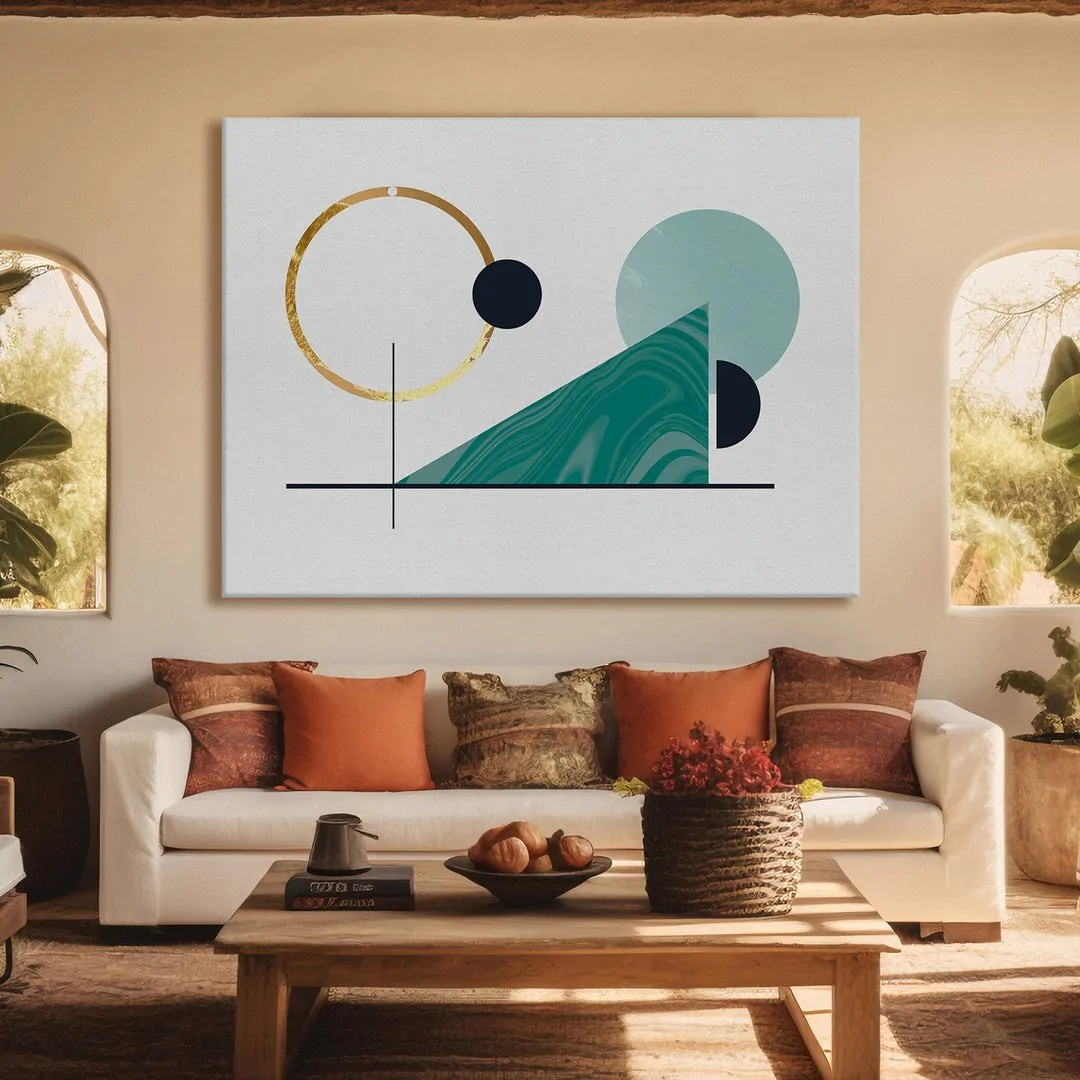
The quality of an embroidered panel depends heavily on craftsmanship. Precise stitching, clean finishing, consistent tension, accurate dimensions, and careful panel construction contribute to the final appearance.
For high-end interiors, small details can have a major impact. Uneven embroidery, inconsistent pattern alignment, or poor finishing can reduce the visual quality of an otherwise excellent design.
At Studio Ayni, attention to design and craftsmanship can help transform textile concepts into sophisticated interior surfaces. The goal is to create panels that look considered and integrated rather than simply attached to a wall.
Custom Panels for Hospitality and Commercial Spaces
Hotels, restaurants, offices, retail stores, and other commercial interiors increasingly use distinctive materials to create memorable environments. A visually strong wall treatment can contribute to how customers experience a space.
In hospitality, custom embroidered panels can reinforce a property’s personality and provide an identifiable design feature. Restaurants can use textile artwork to create a warmer dining atmosphere, while offices can incorporate custom designs that support their brand environment.
For commercial projects, designers should consider durability, cleaning requirements, installation, maintenance, and the specific conditions of the location before selecting materials.
Why Studio Ayni?
At Studio Ayni, the focus is on developing distinctive interior surfaces that combine design, material, craftsmanship, and architectural context. Custom embroidered panels provide an opportunity to move beyond standard wall treatments and create a surface that is specific to the project.
Whether the requirement is a statement feature wall, a series of coordinated panels, a luxury hospitality installation, or a customized residential interior, the design process can be developed around the project’s individual requirements.
Studio Ayni’s approach allows designers and clients to explore Custom Embroidered Interior Panels, Embroidered Interior Panels, Custom Wall Panels, Bespoke Wall Panels, and Textile Wall Panels as part of a broader interior design concept.
A Thoughtful Approach to Custom Wall Panel Design
The best wall panel designs do not exist independently from the rest of the room. They respond to architecture, furniture, lighting, color, proportions, and the intended experience of the space.
Custom embroidered panels can therefore be developed as part of the complete interior concept. Instead of asking only what looks attractive, designers can consider how the panel contributes to the room’s atmosphere, focal points, movement, and visual balance.
This approach creates more cohesive interiors and helps ensure that the final installation feels intentional.
Final Thoughts
Custom Embroidered Interior Panels offer a distinctive way to bring art, craftsmanship, texture, and architectural design together. Their ability to combine textile surfaces with customized embroidery makes them suitable for interiors that require individuality and visual depth.
From luxury hotels and restaurants to offices, retail environments, and residential spaces, Embroidered Interior Panels can transform walls into meaningful design elements. Custom Wall Panels and Bespoke Wall Panels provide designers with flexibility in scale, composition, and appearance, while Textile Wall Panels introduce warmth and tactile character.
At Studio Ayni, custom interior panels can be developed with the project’s architecture and design language in mind. Rather than treating walls as passive backgrounds, designers can use them as opportunities for artistic expression and material storytelling. With thoughtful design, quality craftsmanship, and careful integration, embroidered panels can become one of the most memorable elements within an interior.
FAQs
1. What are custom embroidered interior panels?
Custom embroidered interior panels are decorative wall surfaces that combine textile materials with embroidery and artistic detailing. They can be customized in terms of patterns, colors, dimensions, textures, and design concepts. These panels are suitable for residential, hospitality, commercial, retail, and other interiors where designers want to introduce a distinctive tactile and visual element.
2. Where can embroidered interior panels be used?
Embroidered interior panels can be used in hotels, restaurants, offices, homes, retail stores, galleries, lounges, reception areas, bedrooms, dining rooms, and other interior spaces. They can function as feature walls, decorative installations, or coordinated wall treatments depending on the project’s architecture, interior style, dimensions, and desired visual impact.
3. Can Studio Ayni create bespoke wall panels?
Yes, Studio Ayni focuses on customized interior surface solutions and can develop designs according to project requirements. Bespoke Wall Panels can be planned around dimensions, colors, patterns, materials, architectural features, and the overall interior concept, making them suitable for designers and clients seeking a more personalized alternative to standard wall treatments.
4. What makes textile wall panels different from traditional wall coverings?
Textile wall panels introduce physical texture and softness that may not be achieved through conventional paint or flat wallpaper. When embroidery is incorporated, the surface can gain additional depth, dimension, and craftsmanship. This makes Textile Wall Panels particularly useful for interiors where material richness and tactile design are important parts of the overall aesthetic.
5. Are custom embroidered panels suitable for luxury interiors?
Yes, custom embroidered panels can work particularly well in luxury interiors because they allow designers to create highly personalized surfaces. Custom patterns, sophisticated textiles, detailed craftsmanship, and carefully selected colors can complement premium furniture and architectural finishes. They can be used to create elegant feature walls in hospitality, residential, and commercial environments.
6. Can embroidered panels be designed around a specific theme?
Yes. Custom embroidery can be developed around an interior concept, brand identity, cultural inspiration, nature, geometry, abstract artwork, or another creative theme. The design can be adjusted according to the project’s color palette, wall dimensions, furniture, lighting, and architectural style, allowing the finished panel to become part of the space’s visual storytelling.
7. Are custom wall panels suitable for commercial spaces?
Custom wall panels can be used in many commercial environments, including hotels, restaurants, offices, retail stores, spas, and hospitality spaces. However, the appropriate textile, construction, installation method, and maintenance requirements should be considered according to the location and expected use. Designers should evaluate practical requirements alongside aesthetics before finalizing materials.