
Blog
Best Ways to Style Embroidered Interior Wall Panels in Modern Interiors

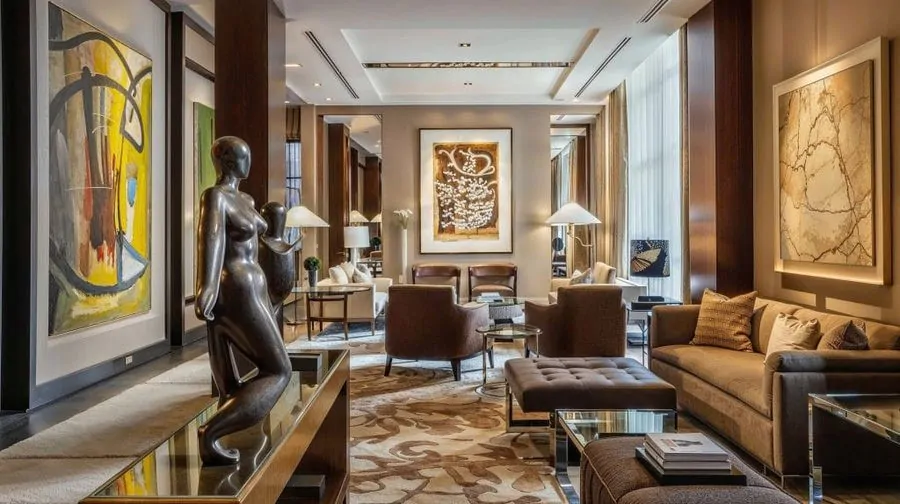
Modern interiors are moving beyond conventional paint, wallpaper, and printed décor to create spaces that feel more personal, tactile, and visually memorable. One of the most interesting ways to introduce this character is through embroidered interior wall panels. Combining textile craftsmanship with architectural surfaces, these panels can add texture, pattern, depth, warmth, and artistic expression to residential and commercial spaces. Unlike flat wall finishes, embroidered surfaces bring a handcrafted quality that can make a room feel distinctive while still working with contemporary interior styles.
For designers, architects, hospitality brands, luxury residences, and homeowners looking for something more individual than standard wall décor, Hand Embroidered Wall Panels, Custom Embroidered Wall Panels, and Bespoke Wall Panels offer considerable creative flexibility. Studio Ayni explores this intersection of craft, material, and interior design through thoughtfully developed wall-panel solutions. From Luxury Wall Panels and Textile Wall Panels to Designer Wall Panels and Hospitality Wall Panels, embroidered surfaces can be styled in many ways depending on the architecture, colour palette, lighting, furniture, and purpose of the room. The key is to use them intentionally so that the craftsmanship becomes part of the overall design story rather than appearing as an isolated decorative element.
What Are Embroidered Interior Wall Panels?
Embroidered interior wall panels are decorative architectural surfaces that incorporate embroidery, textile detailing, stitched patterns, or other crafted textile elements into a panel format.
They can be used as individual decorative features or across larger sections of an interior.
The embroidery can introduce organic patterns, geometric forms, abstract artwork, botanical motifs, cultural references, or custom designs.
Because textile surfaces interact differently with light than hard materials, they can create a softer visual effect.
This makes them particularly interesting for interiors that require warmth alongside contemporary design.
Hand Embroidered Wall Panels can also bring a sense of craftsmanship that is difficult to achieve through mass-produced printed finishes.
Why Embroidered Wall Panels Work in Modern Interiors
Modern design does not necessarily mean minimal texture or completely plain surfaces.
Contemporary interiors often combine clean architecture with carefully selected tactile materials.
Embroidered panels can provide this contrast.
A simple architectural space can become more expressive when a textured textile surface is introduced on a feature wall.
The combination of structured architecture and handcrafted detailing can create a sophisticated balance.
This is especially useful when designers want an interior to feel refined without relying on excessive decoration.
1. Create a Statement Feature Wall
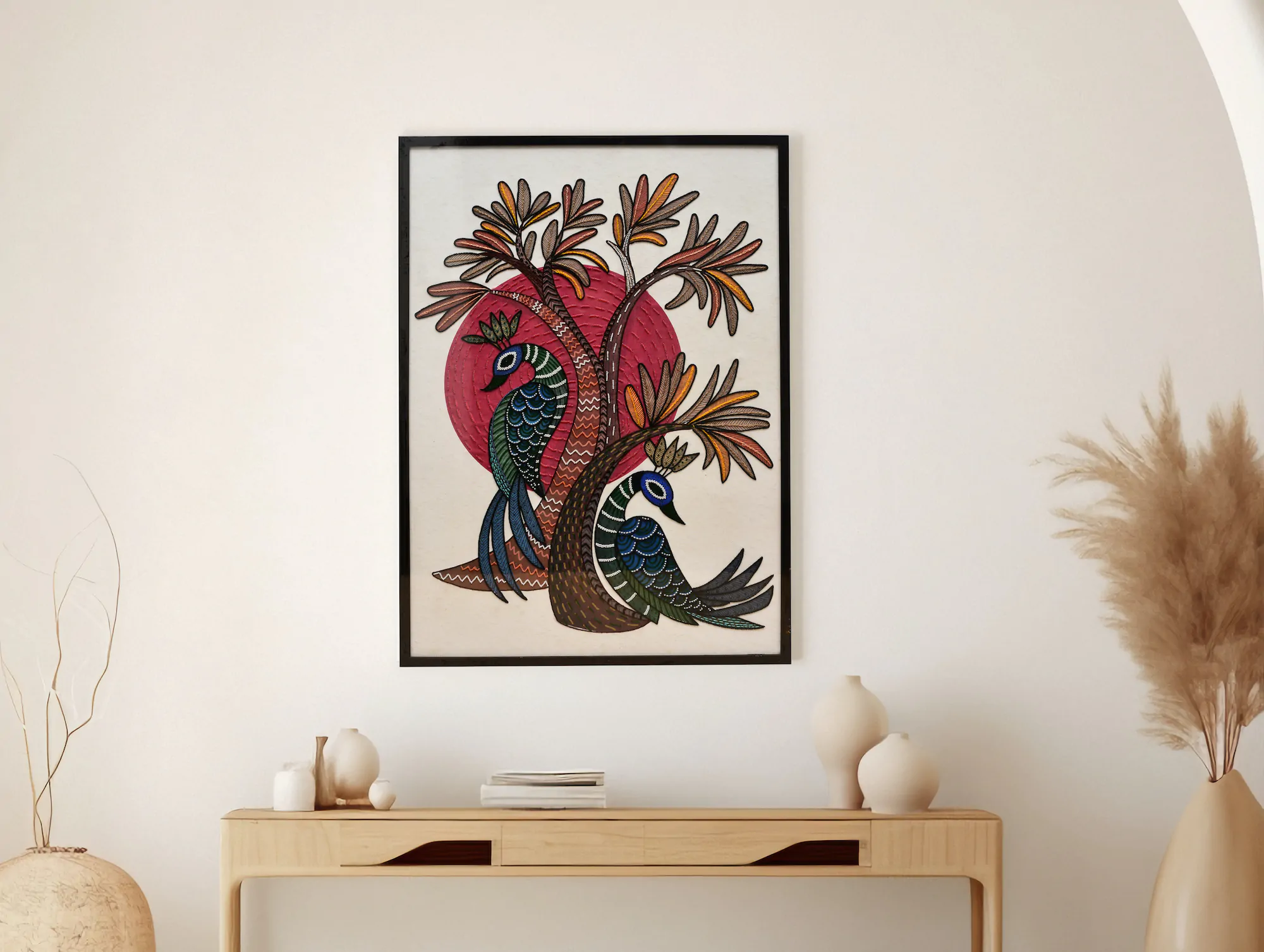
One of the simplest ways to style embroidered panels is to use them as a statement wall.
Instead of covering every wall, select one prominent surface and allow the panel design to become the visual focus.
This approach works particularly well behind a reception desk, bed, sofa, dining table, or seating area.
The surrounding walls can remain relatively restrained.
This gives the embroidered surface enough visual space to stand out.
For a luxury residential interior, a large embroidered panel behind the bed can become an artistic alternative to a traditional headboard.
In a hotel lobby, a dramatic textile installation can establish the visual identity of the entrance.
2. Use Custom Embroidered Wall Panels for Personalised Interiors
One of the biggest advantages of Custom Embroidered Wall Panels is the opportunity to create a design specifically for the space.
Rather than selecting a standard pattern, designers can consider the architecture, brand identity, colour scheme, furniture, and overall atmosphere of the interior.
A custom design might incorporate an abstract interpretation of local landscapes.
It could also use geometric forms that reflect the architecture.
For hospitality spaces, embroidery can be developed around a property’s story or identity.
For private residences, the artwork can be designed around the homeowner’s preferences.
This level of customisation makes embroidered panels particularly suitable for projects where individuality is important.
3. Combine Embroidery With Minimalist Architecture
Minimalist interiors often rely on proportion, materiality, and carefully selected details.
An embroidered panel can introduce visual complexity without requiring additional furniture or accessories.
Imagine a neutral room with clean architectural lines, restrained furniture, and a single textile wall installation.
The contrast between the quiet architecture and detailed embroidery can create a sophisticated focal point.
This approach works especially well when the panel uses a controlled colour palette.
Instead of competing with the room, the embroidery becomes an intentional layer within the architectural composition.
4. Style Luxury Wall Panels With Rich Materials
Luxury Wall Panels can be used to create a more sophisticated atmosphere when combined with complementary materials.
Embroidered textiles can work alongside natural stone, wood, metal, glass, leather, or carefully selected lighting.
The objective is not to make every surface luxurious at once.
Instead, select a few materials and allow each one to contribute something different.
For example, warm wood can provide natural texture, while an embroidered panel introduces craftsmanship and pattern.
Metal details can add structure.
Soft lighting can highlight the embroidery and create depth.
The result can feel luxurious without becoming visually overwhelming.
5. Use Textile Wall Panels to Add Warmth
Hard architectural surfaces such as stone, concrete, glass, and metal can sometimes create a visually cool environment.
Textile Wall Panels provide an opportunity to introduce softness.
Textile surfaces can make an interior feel more layered and comfortable.
This can be especially useful in hospitality, residential, and lounge environments.
A textile panel behind a seating area can visually soften a room dominated by hard surfaces.
The panel can also create a transition between architectural materials.
Rather than treating textiles as accessories, designers can use them as part of the architectural material palette.
6. Create a Sophisticated Bedroom Feature
The bedroom is one of the most natural spaces for embroidered wall panels.
A large panel behind the bed can function as an artistic headboard while creating a strong visual centre.
Soft embroidery can complement bedding and curtains without matching them exactly.
For a contemporary bedroom, consider neutral embroidery against a textured background.
For a more dramatic interior, deeper colours and larger patterns can create a stronger focal point.
The design should remain comfortable visually because bedrooms generally benefit from a calm atmosphere.
7. Use Embroidered Panels Behind Reception Desks
Reception areas create the first impression of a hotel, office, studio, clinic, or luxury property.
A thoughtfully designed embroidered wall can immediately communicate a sense of craftsmanship and attention to detail.
In corporate interiors, the pattern can subtly reflect the company’s identity.
In hotels and resorts, it can connect to the destination or hospitality concept.
For design studios and creative workplaces, abstract embroidery can reinforce an artistic identity.
This makes Hospitality Wall Panels and other custom textile installations particularly valuable for spaces where visual storytelling matters.
8. Style Hospitality Wall Panels Around Brand Identity
Hospitality environments require design solutions that are both visually distinctive and appropriate to the brand.
Hotels, restaurants, resorts, lounges, and boutique properties can use embroidered panels to create memorable spaces.
The design can reference:
- Local craft traditions
- Nature and landscapes
- Architectural history
- Brand colours
- Abstract patterns
- Cultural motifs
However, the connection should feel sophisticated rather than overly literal.
A contemporary hotel may interpret a traditional motif through modern geometry instead of reproducing it directly.
This allows the panel to communicate a sense of place while maintaining a contemporary aesthetic.
9. Pair Embroidered Panels With Neutral Furniture
A common mistake is combining a highly detailed wall with equally detailed furniture and accessories.
If the embroidered wall is already visually rich, furniture can remain relatively simple.
Neutral sofas, clean-lined chairs, understated tables, and restrained accessories allow the wall to remain the primary feature.
This creates visual hierarchy.
The same principle applies to bedrooms and hospitality spaces.
When the wall treatment is expressive, surrounding elements can provide balance.
10. Use Colour Strategically
Colour selection can dramatically change how embroidered panels affect an interior.
Neutral embroidery can create understated elegance.
Earth tones can introduce warmth.
Deep colours can create drama.
Soft pastel combinations can work well in residential or boutique environments.
Metallic threads or subtle reflective elements can add sophistication when used carefully.
The goal is not necessarily to match the wall panel exactly with the rest of the room.
Instead, identify two or three colours already present in the space and allow the embroidery to connect them visually.
11. Match the Panel to the Interior Style
Embroidered panels can work across several design styles.
Contemporary Interiors: Use geometric patterns, restrained colours, and clean framing.
Luxury Interiors: Combine detailed embroidery with rich materials and carefully controlled lighting.
Minimalist Interiors: Use subtle patterns and neutral palettes.
Boutique Interiors: Experiment with artistic compositions and distinctive colours.
Traditional-Modern Interiors: Blend handcrafted motifs with contemporary architectural forms.
Hospitality Interiors: Develop custom designs that reinforce the property’s visual identity.
This flexibility is one reason Designer Wall Panels can become an important part of contemporary interior schemes.
12. Use Bespoke Wall Panels to Fit Unusual Spaces
Not every wall is a standard rectangular surface.
Interiors may include curved walls, columns, niches, alcoves, oversized surfaces, or irregular architectural forms.
Bespoke Wall Panels can be designed with the specific architecture in mind.
Instead of forcing a standard panel into the room, the wall treatment can become part of the architectural concept.
This is particularly useful in luxury residences, boutique hotels, restaurants, and high-end commercial spaces.
Custom sizing can also help maintain visual proportions.
13. Create a Layered Wall Composition
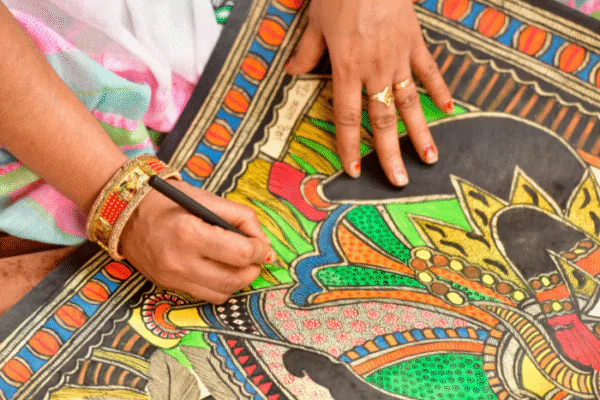
An embroidered panel does not always have to cover the entire wall.
Designers can create a layered composition using multiple panels.
Different panel sizes can be arranged with intentional spacing.
Alternatively, several panels can form one continuous visual artwork.
This approach works well in corridors, lounges, reception spaces, and large residential rooms.
The arrangement should follow the proportions of the architecture.
Too many panels can make the wall feel crowded.
A carefully planned composition can instead create rhythm and movement.
14. Use Lighting to Highlight Embroidery
Lighting is essential when working with textured surfaces.
A flat overhead light may not reveal the depth and detail of embroidery.
Directional lighting can create shadows that emphasize texture.
Wall washing can reveal the overall composition.
Accent lighting can draw attention to specific areas.
Warm lighting can enhance textile warmth, while neutral lighting can maintain colour accuracy.
Lighting should be considered during the design stage rather than added after the panel has been installed.
15. Use Embroidered Wall Panels in Dining Spaces
Dining rooms and restaurants can benefit from textile wall treatments because they create a sense of atmosphere.
A panel behind a dining table can act as a backdrop.
In restaurants, embroidered artwork can become part of the brand experience.
The design can be subtle enough to complement tables and seating while still creating a memorable setting.
For luxury dining spaces, embroidery can be paired with sophisticated lighting, wood, stone, or metal.
The result can feel curated rather than overly decorated.
16. Create a Calm Lounge With Textile Panels
Lounge spaces benefit from materials that create comfort.
A textile wall can visually soften the environment and work alongside upholstered furniture, rugs, curtains, and natural materials.
For a calm contemporary lounge, use muted tones and subtle embroidery.
For a more expressive lounge, choose a large-scale abstract design.
The panel should complement the furniture rather than compete with it.
This creates a cohesive interior where each material has a clear role.
17. Use Embroidery as an Artistic Alternative to Wallpaper
Wallpaper can create pattern across a wall, but embroidered panels introduce another level of physical texture.
The stitched surface can give the artwork a crafted appearance.
This makes it suitable for interiors where the designer wants something more tactile and distinctive.
Instead of repeating a printed pattern across the entire wall, a panel can be treated like a large piece of artwork.
This approach is particularly effective in luxury residential and boutique hospitality interiors.
18. Incorporate Handmade Wall Panels Into Contemporary Spaces
Handmade Wall Panels can add a human element to contemporary architecture.
Modern buildings often feature highly precise construction and manufactured materials.
Handcrafted surfaces provide a contrasting sense of individuality.
The small variations inherent in handmade work can contribute to the character of the interior.
For designers interested in combining contemporary architecture with craft, embroidery offers a natural bridge between the two.
19. Create a Focal Point in Large Open Spaces
Open-plan interiors can sometimes feel visually disconnected because of their scale.
A large embroidered installation can help establish a focal point.
For example, a textile wall can define the seating zone within a large lobby.
In an open-plan home, a panel can visually anchor the dining or living area.
In a hotel, it can guide attention toward the reception or lounge.
This makes wall panels useful not only as decoration but also as part of spatial composition.
20. Think Beyond Decoration
The strongest embroidered wall designs are not simply added at the end of an interior project.
They are considered as part of the design concept.
The panel’s size, texture, colour, pattern, lighting, framing, and position should relate to the architecture.
When this happens, the wall treatment feels integrated.
The embroidery becomes part of the interior’s material language rather than an accessory placed on an otherwise finished wall.
This approach is particularly relevant to Luxury Wall Panels, Designer Wall Panels, and Bespoke Wall Panels.
How Studio Ayni Can Be Part of the Design Process
At Studio Ayni, embroidered and textile-based wall treatments can be approached as a combination of craft, material, and interior expression.
For designers and clients looking for Custom Embroidered Wall Panels, the objective should be to develop a solution that works with the project’s architecture and aesthetic direction.
A bespoke wall treatment can be considered in relation to colour, scale, pattern, furniture, lighting, and the intended atmosphere of the space.
This approach allows a wall panel to become more than a decorative product.
It can become a defining design element within a residence, hospitality property, office, restaurant, or other interior.
Embroidered Wall Panels for Hospitality Design
Hospitality environments are particularly suited to textile wall treatments because guests experience spaces visually and emotionally.
A hotel’s entrance, restaurant, corridor, lounge, or guest room can use embroidery to create a distinctive identity.
The material can also contribute to storytelling.
A resort might use patterns inspired by its location.
A boutique hotel might use a contemporary interpretation of local craft.
A restaurant could develop embroidery around its culinary concept.
This makes Hospitality Wall Panels an opportunity to combine interior design with brand storytelling.
Embroidered Wall Panels for Luxury Residential Interiors
Luxury homes often require design elements that feel personal rather than generic.
A bespoke embroidered wall can provide that individuality.
It can be designed around the architecture and the homeowner’s preferences.
A feature wall in a living room can create an artistic centre.
A bedroom panel can provide a sophisticated backdrop.
A dining room installation can create atmosphere.
The advantage of custom work is that the panel does not have to conform to a mass-market design language.
It can be developed specifically for the home.
FAQs
1. What are Hand Embroidered Wall Panels?
Hand Embroidered Wall Panels are decorative wall surfaces incorporating hand-crafted embroidery and textile detailing. They can be used as feature walls, artistic installations, headboard alternatives, reception backdrops, and other interior applications.
2. Where can Custom Embroidered Wall Panels be used?
They can be used in residences, hotels, restaurants, offices, lounges, reception areas, retail spaces, and other interiors where texture and visual identity are important.
3. Are Textile Wall Panels suitable for luxury interiors?
Yes. Textile Wall Panels can work effectively in luxury interiors when their colour, pattern, craftsmanship, scale, and surrounding materials are carefully coordinated.
4. How are Luxury Wall Panels styled?
Luxury Wall Panels can be paired with materials such as wood, stone, metal, glass, leather, and other textiles. Controlled lighting and restrained furniture can help maintain an elegant visual hierarchy.
5. Can embroidered wall panels be customised?
Yes, depending on the design and manufacturer. Customisation can involve pattern, colours, dimensions, composition, and other design considerations.
Conclusion
Embroidered interior wall panels offer a distinctive way to introduce craftsmanship, texture, colour, and artistic expression into contemporary spaces. Whether used as a single feature wall, a reception backdrop, a bedroom installation, or a large-scale hospitality statement, they can transform an otherwise simple architectural surface into an intentional design element.
The best results come from considering the panel as part of the complete interior rather than treating it as an isolated decoration. Furniture, lighting, architecture, colour, material combinations, scale, and spatial purpose should all influence the design. Hand Embroidered Wall Panels can bring handcrafted character, while Custom Embroidered Wall Panels allow designers and clients to create more personalised spaces. Luxury Wall Panels, Textile Wall Panels, Bespoke Wall Panels, Handmade Wall Panels, and Designer Wall Panels can each be adapted to different aesthetic and architectural requirements.
For hospitality projects, Hospitality Wall Panels can go even further by connecting interior design with brand identity and storytelling. A hotel, restaurant, resort, or boutique property can use a custom embroidered installation to create an atmosphere that guests remember.
Studio Ayni brings together the language of crafted textiles and contemporary interiors, making embroidered wall treatments an opportunity to explore material, pattern, texture, and individuality. Whether the goal is to create a calm residential feature, a sophisticated luxury interior, or a memorable hospitality environment, carefully designed embroidered panels can provide a distinctive alternative to conventional wall finishes.
Ultimately, styling an embroidered wall panel successfully is about balance. Let the craftsmanship become the focal point, give the design enough space to breathe, coordinate surrounding materials thoughtfully, and use lighting to reveal the texture. When these elements are considered together, embroidered wall panels can become an architectural feature that adds depth and personality to modern interiors without compromising their contemporary character.