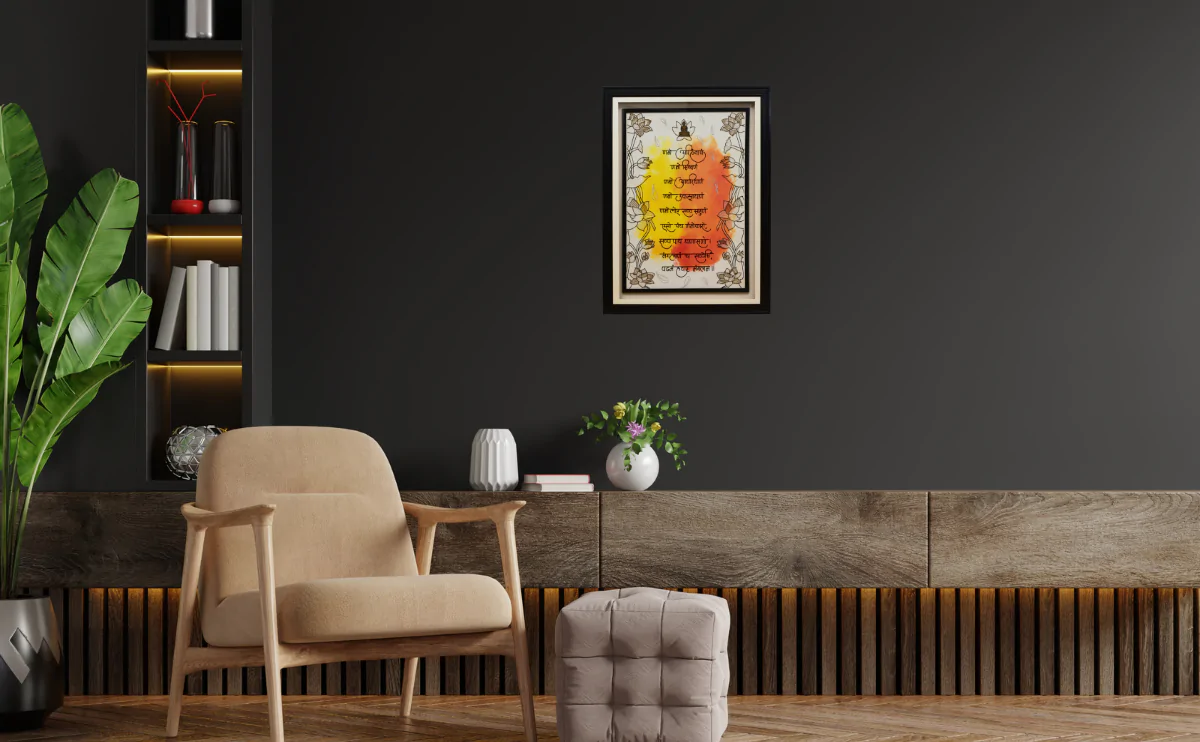

Blog
Why Handmade Textile Art Is Becoming a Statement in Luxury Interiors

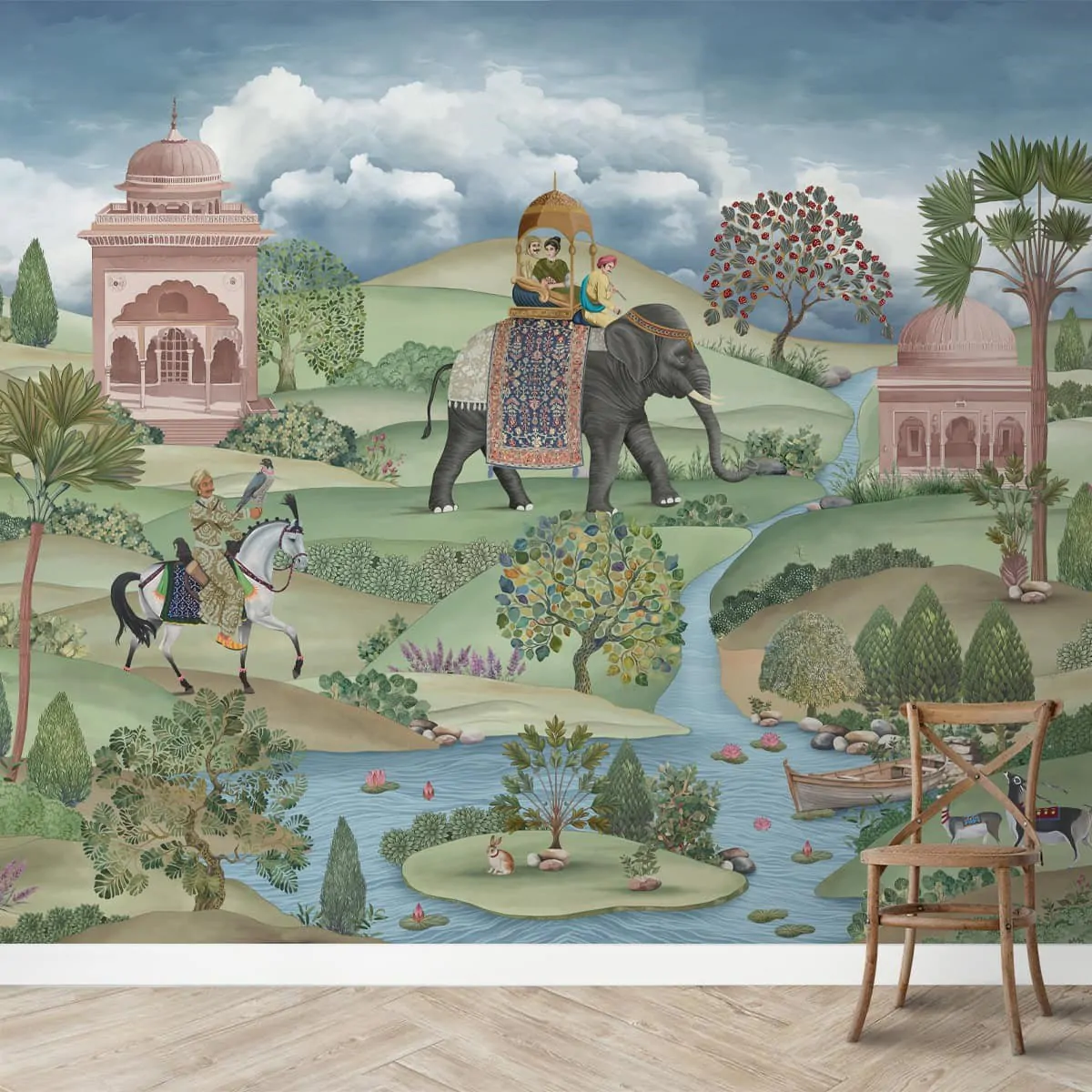
Luxury interiors are no longer defined only by expensive furniture, polished stone, designer lighting, or large architectural statements. Today, sophisticated interior design is increasingly about creating spaces with character, depth, texture, craftsmanship, and a sense of individuality. This shift has brought handmade textile art into the spotlight as designers, architects, hospitality brands, and private homeowners look for meaningful decorative elements that can transform an interior without making it feel overly manufactured. Unlike mass-produced wall décor, handcrafted textile pieces can introduce tactile surfaces, intricate detailing, artistic expression, and a sense of warmth that complements both contemporary and traditional interiors.
The growing interest in Luxury Textile Art for Hotels, Luxury Textile Wall Art, Custom Textile Art, and the opportunity to Buy Luxury Textile Art reflects a broader change in how people understand luxury. Modern luxury is increasingly connected with craftsmanship, originality, material quality, and design storytelling. At Studio Ayni, textile art can become an important part of this movement by bringing handcrafted surfaces and artistic textile compositions into sophisticated residential, hospitality, commercial, and architectural environments. Whether used as a dramatic focal point behind a reception desk, an artistic installation in a luxury suite, or a refined statement wall in a private residence, textile art offers designers an opportunity to create interiors that feel distinctive and memorable.
What Is Handmade Textile Art?
Handmade textile art refers to artistic or decorative work created using textile-based materials and traditional or contemporary textile techniques. Depending on the artist and design concept, textile art may involve weaving, embroidery, layering, stitching, knotting, fabric manipulation, appliqué, hand-finishing, mixed materials, or combinations of several techniques. Instead of treating fabric simply as a functional material for curtains, upholstery, or soft furnishings, textile art transforms it into an artistic medium.
This distinction is important in luxury interior design because handmade textile pieces can occupy the space between art, craft, and interior architecture. A large textile wall installation can function visually like a painting while offering a completely different tactile quality. The surface can have depth, movement, shadows, and variations that are difficult to reproduce through conventional printed artwork.
For designers, this makes textile art particularly useful when a project requires something more distinctive than conventional wall décor. A carefully designed textile artwork can respond to the room’s colors, architectural geometry, lighting, furniture, and overall concept, allowing the artwork to become an integrated part of the interior rather than an object added at the end.
Why Textile Art Is Becoming Important in Luxury Interiors
The renewed interest in textile art comes from several changes in contemporary interior design. First, clients are looking for personalized environments rather than interiors that resemble standardized luxury spaces. Second, architects and designers are paying greater attention to sensory experiences, including texture and acoustics. Third, handmade craftsmanship offers a visual contrast to highly polished contemporary materials such as glass, metal, marble, and concrete.
A room filled with hard architectural surfaces can sometimes feel visually cold. Introducing a substantial textile artwork can soften the environment through texture and materiality. The artwork can also create a visual transition between architectural elements, helping furniture and finishes feel more connected.
Luxury textile art is therefore not simply a decorative trend. It can contribute to the overall design language of a space. A large woven composition may provide a natural counterpoint to clean architectural lines, while an intricate embroidered panel may introduce a layer of detail into a minimalist interior.
Luxury Textile Wall Art as a Statement Piece
One of the strongest applications of textile art is large-format wall decoration. Luxury Textile Wall Art can create an immediate focal point in spaces where traditional paintings or printed artwork may not provide the desired atmosphere.
Large textile installations can be especially effective in living rooms, bedrooms, dining areas, entrance halls, boardrooms, private lounges, hotel lobbies, and hospitality suites. Their scale allows designers to work with the proportions of the architecture rather than simply selecting a small decorative object.
A large textile artwork can also interact with lighting in interesting ways. Raised, layered, or textured surfaces can produce subtle shadows as natural or artificial light moves across them. This creates a dynamic visual quality that can make the artwork feel different throughout the day.
For luxury interiors, scale matters. A small artwork may disappear on a large architectural wall, while an oversized textile composition can establish balance and create a stronger relationship between the artwork and surrounding furniture.
Texture Adds Depth to Contemporary Spaces
Texture is one of the most powerful tools available to interior designers. Color can change the mood of a room, but texture changes how a space feels visually and sometimes physically.
Textile art naturally introduces texture through its construction. Fibers, threads, woven surfaces, layered fabrics, knots, stitches, and dimensional details can create multiple levels across a single artwork. This is particularly effective in contemporary interiors that use smooth materials.
Imagine a room with marble flooring, glass surfaces, metal details, and streamlined furniture. A carefully selected textile artwork can introduce softness and visual contrast without disrupting the overall luxury aesthetic.
This balance between hard and soft materials is one reason textile art works particularly well in premium interiors. It can make a space feel more inviting while maintaining a sophisticated visual identity.
Luxury Textile Art for Hotels
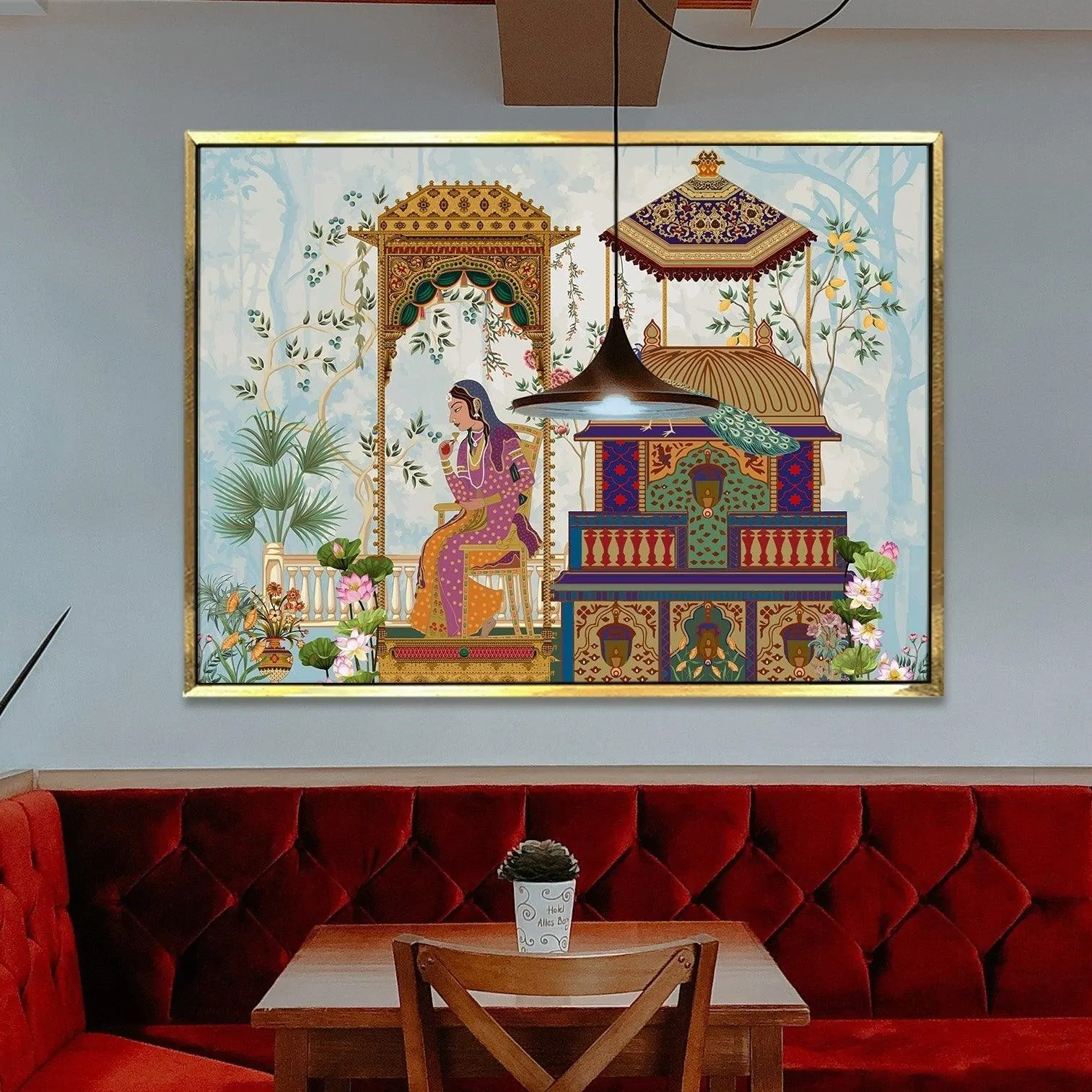
Hotels are among the most exciting environments for textile art because hospitality design is fundamentally about creating memorable experiences. Guests may forget individual pieces of furniture, but a distinctive lobby installation, dramatic corridor artwork, or unique bedroom feature wall can become part of their overall memory of a property.
Luxury Textile Art for Hotels can be used in multiple areas, including lobby walls, reception spaces, restaurants, lounges, guest rooms, suites, corridors, meeting spaces, and wellness areas. Each location can require a different artistic approach.
A lobby may benefit from a large-scale statement installation that immediately establishes the hotel’s design identity. Guest rooms may require quieter compositions that complement bedding, upholstery, and lighting. Restaurants can use textile artwork to reinforce a particular culinary or cultural theme.
Custom textile installations can also help hotels create consistency across different spaces. A recurring material, pattern, color family, or artistic technique can connect different areas while allowing each installation to remain visually distinct.
For hospitality designers, this is particularly valuable because the artwork becomes part of the property’s identity rather than functioning as generic decoration.
Custom Textile Art for Bespoke Interiors
One of the biggest advantages of textile art is its ability to be customized. Custom Textile Art allows designers and clients to move beyond standard sizes, colors, patterns, and compositions.
A bespoke artwork can be developed around the dimensions of a particular wall, the color palette of a room, an architectural feature, or a broader design concept. This makes it suitable for high-end projects where every element needs to feel intentional.
For example, a designer may require a long horizontal textile installation to complement a low architectural wall. Another project may need a tall vertical artwork designed for a double-height entrance. A hotel could require a large installation inspired by the property’s location or brand story.
Customization can also involve the choice of materials, textures, techniques, and finishes. The goal is not simply to enlarge or reduce an existing design but to create artwork that genuinely belongs to the intended space.
Textile Art Can Tell a Story
Luxury interiors often communicate a story. A residence may reflect the personality and travels of its owner, while a hotel may express its geographical setting, cultural identity, or design philosophy.
Textile art can become an effective storytelling medium because textiles have a strong connection with culture, craft, history, and human making. Different techniques and material combinations can reference traditions while being interpreted through a contemporary design language.
For a designer, this provides an opportunity to create artwork that has meaning beyond visual appeal. The piece can become a conversation point for guests and visitors while giving the interior a stronger sense of identity.
At Studio Ayni, this storytelling potential can be incorporated into textile-based interior concepts by treating each artwork as part of the broader spatial experience.
Handmade Craftsmanship Creates Visual Individuality
One of the characteristics that separates handmade textile art from mass-produced décor is variation. Handcrafted processes can produce subtle differences in texture, thread placement, surface density, and finishing.
These details can make a piece feel more personal and artistic. In a luxury environment where many finishes may be manufactured to achieve precise uniformity, the presence of carefully controlled handmade variation can provide a refreshing contrast.
This does not mean that handcrafted artwork should appear unfinished. High-end textile art requires careful attention to construction, composition, finishing, proportion, and presentation. The craftsmanship should support the artistic concept and meet the expectations of a premium interior.
The combination of artistic individuality and professional execution is what makes handmade textile art particularly relevant to luxury design.
Textile Art and Biophilic Interior Design
Natural-looking materials and organic forms have become increasingly important in interior design. Textile art can complement this direction through earthy textures, organic patterns, layered surfaces, natural-inspired compositions, and tactile materials.
Instead of reproducing a literal image of nature, artists can interpret natural landscapes through abstract shapes, irregular lines, muted textures, and layered surfaces.
This approach allows textile art to work naturally with wood, stone, plants, natural fibers, and warm architectural materials. It can help create a calmer and more immersive environment while maintaining an artistic identity.
For hotels, wellness spaces, residences, and luxury retreats, this combination of natural inspiration and handcrafted materiality can be particularly effective.
The Role of Color in Luxury Textile Art
Color selection is critical when introducing textile art into an interior. A statement artwork does not necessarily need bright or dramatic colors. In many luxury spaces, restrained palettes can create a more sophisticated result.
Neutral tones, earthy shades, deep accents, warm metallic influences, monochromatic combinations, and carefully selected contrasting colors can all work depending on the design concept.
The most effective approach is usually to consider the artwork as part of the complete room rather than choosing colors independently. Wall finish, flooring, furniture, upholstery, lighting, and architectural materials should all influence the palette.
A custom artwork can be especially useful here because its colors can be developed around the existing interior instead of forcing the interior to adapt to a pre-existing mass-market artwork.
Textile Art for Hospitality and Commercial Spaces
The appeal of textile art extends beyond residential interiors. Corporate offices, private clubs, restaurants, boutique retail stores, wellness centers, and premium commercial environments can also benefit from large-scale textile installations.
Commercial spaces often need strong visual identities because the environment contributes to how customers perceive a brand. A distinctive textile artwork can become a recognizable visual element within that environment.
Restaurants can use textile installations to complement their culinary concept. Luxury retail stores can use them to create an artistic backdrop for products. Corporate offices can introduce textile art into reception areas and executive spaces to communicate creativity and sophistication.
The key is to select artwork according to the purpose and atmosphere of the space rather than treating textile art as a one-size-fits-all decorative solution.
How to Choose Luxury Textile Wall Art
Selecting the right artwork requires more than choosing a design that looks attractive online. The artwork should be evaluated in relation to the room’s scale, lighting, furniture, color palette, architectural style, and intended mood.
The first consideration should be size. Measure the wall and surrounding furniture before selecting the artwork. A piece that is too small may lose its impact, while one that is too large can overwhelm the room.
Next, consider texture. A highly dimensional piece may become a powerful focal point, while a flatter textile composition may work better in a room that already contains significant visual detail.
Color should then be considered alongside existing finishes. Finally, think about the artwork’s overall character. Does it complement the design language of the space? Does it add something new? Does it feel distinctive enough to remain relevant over time?
These questions can help designers and homeowners make more confident purchasing decisions.
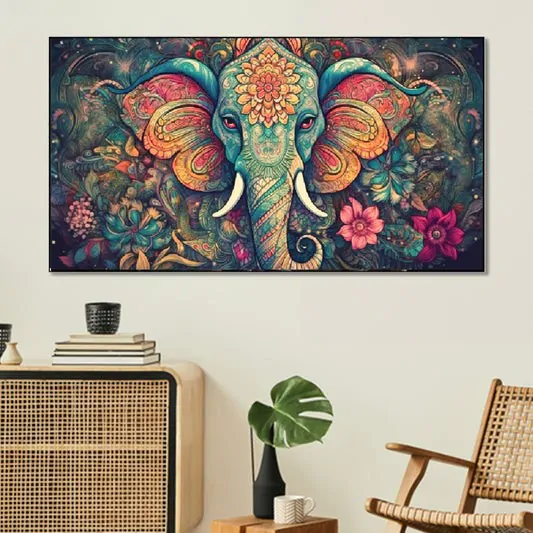
Why Customization Matters for Luxury Projects
Luxury interiors are often built around exact dimensions and carefully coordinated details. Standard decorative products may not always fit those requirements.
This is why custom textile art has strong potential in high-end interior projects. A bespoke artwork can be created to fit an unusual wall dimension, coordinate with a specific furniture arrangement, or reinforce a particular architectural feature.
Customization also provides designers with greater creative freedom. Instead of beginning with an existing product catalog, they can develop the artwork around the project itself.
For architects and interior designers, this makes custom textile art particularly valuable for hospitality, residential, and commercial projects where originality is an important part of the brief.
Why Buy Luxury Textile Art Instead of Conventional Wall Décor?
Customers looking to Buy Luxury Textile Art are often seeking something more distinctive than standard printed artwork. Textile pieces offer physical texture, craftsmanship, depth, and material character that can make them feel more connected to the space.
A textile artwork can also become an investment in the visual identity of an interior. Instead of simply filling an empty wall, it can influence the atmosphere of the entire room.
The right artwork can make a large space feel more intimate, add softness to a modern environment, create a visual anchor, and establish a sense of sophistication.
For luxury homeowners and hospitality businesses, these qualities can make textile art a compelling alternative to conventional wall decoration.
Studio Ayni: Bringing Textile Art Into Modern Luxury Interiors
At Studio Ayni, textile art can be positioned as an intersection of craftsmanship, design, materiality, and contemporary interior aesthetics. The focus is not simply on creating decorative textile products but on developing artistic surfaces that can become meaningful parts of interior environments.
The brand can serve homeowners, architects, interior designers, hospitality professionals, and commercial clients seeking distinctive textile-based artwork. From statement wall installations to bespoke compositions, the emphasis can remain on design quality, craftsmanship, customization, and the relationship between artwork and architecture.
For a luxury project, this approach allows the artwork to be considered from the beginning of the design process rather than added as an afterthought.
The Future of Handmade Textile Art in Interior Design
The future of luxury interiors is likely to place increasing importance on personalization, craftsmanship, tactile materials, and meaningful design. Consumers and designers are becoming more interested in spaces that feel individual rather than identical to every other premium environment.
Handmade textile art fits naturally into this direction because it combines materiality with artistic expression. It can be adapted to different scales, interiors, color palettes, architectural environments, and design concepts.
As hospitality brands compete to create memorable guest experiences and homeowners seek more personalized interiors, textile artwork can become an increasingly important design element.
The trend is therefore not simply about replacing paintings with fabric. It is about recognizing textiles as a serious artistic medium capable of contributing to architecture, interior atmosphere, storytelling, and brand identity.
Conclusion
Handmade textile art is becoming a statement in luxury interiors because modern luxury is increasingly about individuality, craftsmanship, texture, and emotional connection. A carefully created textile artwork can do more than decorate a wall. It can soften architectural materials, introduce depth, establish a focal point, communicate a story, and create an atmosphere that visitors remember.
The demand for Luxury Textile Art for Hotels, Luxury Textile Wall Art, and Custom Textile Art reflects this evolution in interior design. Hotels, residences, restaurants, offices, and premium commercial spaces can use textile installations to create environments that feel distinctive and thoughtfully designed. For customers who want to Buy Luxury Textile Art, the value lies not only in the finished appearance but also in the craftsmanship, materiality, originality, and relationship between the artwork and its surroundings.
For designers and clients working on bespoke interiors, Studio Ayni offers an opportunity to approach textile art as part of the larger design story. By combining artistic expression with carefully considered materials, scale, texture, and customization, textile art can become one of the defining elements of a sophisticated interior. As luxury design continues moving toward more personal, tactile, and meaningful spaces, handmade textile art is well positioned to remain a powerful statement for years to come.