
Blog
How to Choose the Perfect Embroidered Interior Panels for Your Space

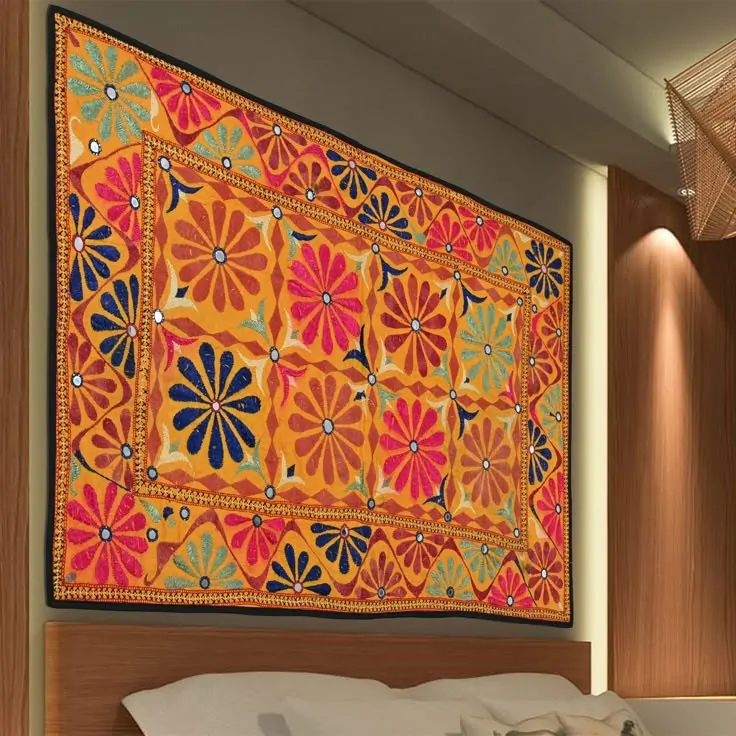
Interior design is no longer limited to furniture, paint colours, flooring, and conventional wall décor. Modern homeowners, architects, interior designers, hospitality businesses, and commercial spaces are increasingly looking for decorative elements that bring texture, craftsmanship, personality, and visual depth into a room. One design solution that can create this kind of impact is an embroidered interior panel. Unlike conventional wall décor, embroidered panels combine textile craftsmanship with artistic expression, allowing walls and other interior surfaces to become part of the overall design story. From contemporary homes and boutique hotels to restaurants, offices, studios, and luxury hospitality spaces, textile-based decorative installations can create a distinctive atmosphere while adding softness and character to otherwise plain surfaces.
Choosing the right Embroidered Interior Panels requires more consideration than simply selecting a pattern that looks attractive in a photograph. The panel should work with the dimensions of the space, existing colour palette, lighting conditions, furniture, architectural style, and intended atmosphere. Material quality, embroidery technique, texture, maintenance, installation requirements, and customisation options can also influence the final result. At Studio Ayni, embroidered and textile-based interior pieces can be approached as part of a complete design concept rather than as an isolated decorative product. By understanding how different panel styles work within different environments, buyers can make a more informed decision and select a piece that complements the space for years to come.
What Are Embroidered Interior Panels?
An Embroidered Interior Panel is a decorative textile-based element that uses embroidery, stitching, fabric manipulation, or related textile techniques to create an artistic surface. Depending on the design, the panel can feature intricate motifs, abstract patterns, botanical elements, geometric compositions, cultural influences, or custom artwork.
These panels can be used as statement wall décor, room dividers, headboard features, reception-area installations, hospitality décor, or accent pieces within residential interiors. Their versatility makes them suitable for different design styles, from minimal and contemporary spaces to traditional and eclectic environments.
One of the defining characteristics of embroidered panels is their texture. Traditional printed artwork is generally viewed as a flat visual surface, whereas embroidery can introduce physical dimension through threads, stitches, layering, and raised details. Light can interact with these textures differently throughout the day, creating subtle changes in the appearance of the panel.
Why Embroidered Interior Panels Are Becoming Popular
Modern interior design increasingly values tactile experiences. People want spaces that not only look attractive but also feel visually warm and engaging. Textile artwork can contribute to this experience because fabric and embroidery introduce softness that is difficult to achieve with hard materials alone.
Another reason for their popularity is individuality. Mass-produced décor can sometimes make interiors feel repetitive. A carefully selected embroidered piece can give a room a more personal identity, especially when the design is handcrafted or customised.
The growing interest in artisan craftsmanship has also influenced interior décor. Consumers and designers are increasingly interested in understanding how decorative pieces are created and what techniques, materials, and creative processes are involved.
For these reasons, Embroidered Wall Panels can be more than decorative accessories. They can become important elements within a larger interior design concept.
Start With the Size of Your Space
One of the first factors to consider when selecting an embroidered panel is the size of the wall or area where it will be installed.
A large wall may require a substantial panel or a coordinated group of panels to create visual balance. A small artwork placed in the centre of a very large wall can sometimes appear disconnected from the surrounding space. On the other hand, an oversized panel in a compact room may dominate the interior.
The dimensions of the furniture surrounding the artwork should also be considered. For example, a textile panel positioned above a sofa should generally relate proportionally to the sofa rather than being selected independently.
Before purchasing, measure the available wall area and consider the viewing distance. A design that looks intricate up close may need sufficient size and viewing space for its details to be appreciated properly.
Consider the Existing Interior Style
The best decorative panels are usually those that complement the existing interior rather than fighting with it.
In a minimalist room, an embroidered panel with restrained colours and a clean composition can introduce texture without making the space feel crowded. In a traditional interior, a detailed textile artwork may work well with classic furniture, wood finishes, and decorative architectural elements.
For contemporary spaces, abstract or geometric embroidery can create a modern focal point. Botanical designs can work beautifully with natural materials and neutral colour schemes, while more expressive artwork can become a statement feature in an eclectic interior.
The objective is not necessarily to match every colour exactly. Instead, look for relationships between the panel and the room’s existing materials, tones, patterns, and textures.
Choose Colours Carefully
Colour is one of the most visible aspects of any decorative installation.
An embroidered panel can either blend into the existing palette or deliberately create contrast. Both approaches can be successful when used thoughtfully.
For a calm and sophisticated interior, neutral shades such as beige, cream, grey, taupe, muted green, and earthy tones can create a subtle visual effect. In a more expressive room, deeper shades or contrasting colours can transform the panel into a focal point.
Lighting should also be considered because fabric and thread colours can appear different under warm artificial lighting compared with natural daylight.
If possible, examine material samples or photographs in different lighting conditions before finalising the colour selection.
Pay Attention to Texture
Texture is one of the strongest reasons to consider textile décor.
An embroidered artwork can include different thread thicknesses, stitch patterns, raised details, layered fabric, and other surface treatments. These elements create depth and make the artwork visually interesting even when the colour palette is relatively simple.
Texture can also influence the atmosphere of a room. Softer and more organic textures may contribute to a warm, relaxed environment, while structured geometric embroidery can create a more contemporary appearance.
When selecting Textile Interior Panels, consider how their texture will interact with other surfaces in the room. A heavily textured panel may work particularly well against a relatively simple wall, while a highly patterned room may benefit from a more restrained textile design.
Select a Design That Reflects the Purpose of the Room
Every room communicates a different mood.
A bedroom may benefit from artwork that feels calm and intimate. A living room may provide more freedom for expressive designs. A hotel lobby or restaurant may require artwork that reinforces the property’s brand identity and overall guest experience.
For commercial spaces, the panel may also need to support a broader design concept. For example, a boutique hotel inspired by local culture could use embroidered artwork that references regional patterns or traditional craftsmanship.
The design should therefore be selected according to the purpose of the space rather than based solely on personal preference.
Embroidered Wall Art as a Focal Point
Embroidered Wall Art can work particularly well when used as a focal point.
A focal point is an area that naturally attracts attention when someone enters a room. It might be positioned behind a reception desk, above a sofa, at the end of a hallway, behind a bed, or on a feature wall.
A large embroidered artwork can create this visual anchor without requiring extensive additional decoration.
However, the surrounding area should remain balanced. If the artwork is highly detailed, excessive décor around it may reduce its impact.
Allowing some negative space can make the panel feel more intentional and visually important.
Think About Material Quality
Material selection has a direct influence on appearance, durability, and maintenance.
Different fabrics can produce different visual and tactile results. Natural and synthetic textiles each have their own characteristics, and the best option depends on the intended use and environment.
The embroidery thread also matters. Thread texture, colour consistency, thickness, and construction can influence the overall appearance.
For high-end interiors, craftsmanship should be considered alongside material selection. A beautifully designed concept can lose some of its impact if finishing quality is inconsistent.
This is why buyers should consider the construction details of a panel rather than evaluating it only from a distance.
Handmade Craftsmanship and Individuality
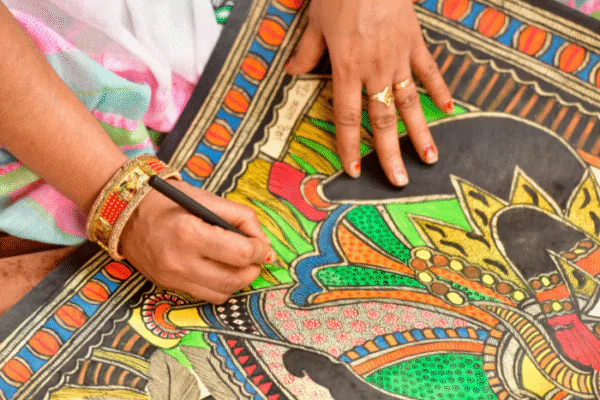
One of the unique qualities of textile art is the possibility of visible craftsmanship.
Hand embroidery can contain subtle variations that reflect the human process behind the artwork. Rather than making a piece feel imperfect, these details can contribute to its character and individuality.
For homeowners and designers who want interiors to feel personal rather than mass-produced, handcrafted pieces can provide an important point of difference.
At Studio Ayni, the connection between textile techniques, artistic expression, and interior design can help transform functional spaces into more distinctive environments.
Custom Embroidered Panels for Unique Spaces
Standard decorative products do not always fit unusual walls, specific colour schemes, or detailed design concepts.
Customisation can solve this problem.
A customised embroidered panel can be developed around specific dimensions, colours, motifs, patterns, or design requirements. This can be especially useful for interior designers and architects working on hospitality, corporate, residential, or commercial projects.
For example, a hotel may require artwork that reflects its brand identity. A luxury residence may need a textile panel designed around a particular furniture arrangement. A restaurant might want a decorative installation inspired by its culinary or cultural theme.
Custom design allows the artwork to become part of the architecture and interior concept rather than functioning as a separate object.
Consider the Wall and Installation Method
Before selecting an embroidered panel, it is important to understand where and how it will be installed.
The wall surface, panel weight, frame construction, mounting method, and available space can all influence installation.
Large textile installations may require additional support compared with lightweight decorative artwork.
If the panel is intended for a commercial environment, installation should also consider safety, accessibility, cleaning requirements, and long-term maintenance.
Professional installation may be appropriate for larger or customised pieces.
Think About Lighting
Lighting can dramatically change the appearance of embroidered artwork.
Directional lighting can emphasise raised embroidery and create shadows across the surface. Soft ambient lighting can make the artwork appear more subtle and integrated into the room.
Natural daylight can also reveal different colours and textures throughout the day.
For a feature installation, lighting should ideally be considered as part of the overall design rather than added after the artwork has been installed.
This can make a significant difference to how the texture and craftsmanship are perceived.
Decorative Interior Panels for Hospitality Spaces
Hotels, restaurants, lounges, spas, and other hospitality environments often use wall décor to create memorable experiences.
Decorative Interior Panels can help establish a visual identity while adding warmth to public spaces.
A large embroidered installation behind a reception desk can become part of the hotel’s first impression. In a restaurant, textile artwork can help create an atmosphere that complements the menu, furniture, lighting, and architectural concept.
Because hospitality spaces experience regular visitor interaction, material selection and maintenance requirements should be carefully considered.
The artwork should be visually distinctive while remaining appropriate for the practical demands of the environment.
Embroidered Panels for Residential Interiors
In residential spaces, embroidered panels can be used in bedrooms, living rooms, dining areas, hallways, home offices, and other areas.
A bedroom might use a textile artwork behind the bed to create a soft focal wall. In a living room, a large embroidered panel can replace conventional framed artwork.
Hallways can also benefit from textile panels because these spaces are often visually neglected. A carefully selected piece can transform a transitional area into a more engaging part of the home.
The advantage of textile artwork is that it can be adapted to both large and small interiors.
How to Balance Patterns
Pattern mixing can create a sophisticated interior, but it requires balance.
If your room already contains patterned curtains, cushions, rugs, or wallpaper, consider selecting an embroidered panel with a more restrained pattern.
If the surrounding interior is relatively plain, a detailed embroidered artwork can introduce the visual interest that the room needs.
The scale of patterns also matters. Large motifs can create a dramatic effect, while smaller patterns can feel more intricate and decorative.
A good approach is to select one primary visual statement and allow the surrounding elements to support it.
Maintenance and Care
Textile artwork should be cared for according to the specific material and construction.
Dust can accumulate on textile surfaces, particularly in areas with high foot traffic or open windows. Gentle cleaning methods may help maintain the appearance of the artwork, but aggressive brushing, harsh chemicals, or excessive moisture may damage delicate embroidery.
The manufacturer or artisan’s care recommendations should always be followed.
Environmental conditions can also matter. Excessive humidity, direct sunlight, or unstable temperatures may affect some fabrics and threads over time.
Proper placement and routine care can help preserve the appearance of the panel.
Common Mistakes to Avoid
Choosing artwork solely because it looks attractive online is one of the most common mistakes buyers make. A panel that looks beautiful in a catalogue may not have the same visual impact in a particular room because of differences in scale, lighting, wall colour, and surrounding furniture.
Another mistake is ignoring proportions. The artwork should relate to the dimensions of the wall and nearby furniture.
Some buyers also focus heavily on colour while overlooking texture and craftsmanship.
Finally, choosing a highly complicated design for an already busy room can create visual clutter.
The strongest result usually comes from considering the entire room as one composition.
Why Choose Studio Ayni?
At Studio Ayni, textile artwork can be viewed as a bridge between traditional craftsmanship and contemporary interior design. Embroidered panels offer an opportunity to introduce texture, artistic expression, and individuality into residential and commercial environments.
Rather than treating a decorative panel as a simple wall accessory, the design can become part of the larger spatial experience. Material, colour, scale, texture, craftsmanship, and placement all contribute to the final result.
For customers looking for an Embroidered Interior Panel, the selection process should begin with understanding the space and its design requirements. From there, the appropriate artwork can be selected or developed to complement the interior.
A Simple Selection Process
When choosing an embroidered panel, start by identifying the wall or area where it will be installed. Measure the available dimensions and consider the furniture, lighting, and architectural features surrounding the space.
Next, determine the desired atmosphere. Decide whether you want the artwork to blend into the interior or become a strong focal point.
After that, consider material, embroidery style, texture, colour, pattern, and maintenance requirements.
If standard designs do not meet your needs, explore customisation.
This approach allows the final selection to be based on the actual requirements of the space rather than a trend alone.
Conclusion
Choosing the perfect Embroidered Interior Panels is ultimately about creating a relationship between artwork and space. The right panel should complement the architecture, furniture, lighting, colour palette, and overall atmosphere while introducing something distinctive through texture and craftsmanship.
From a subtle Embroidered Interior Panel in a minimalist home to a dramatic installation made from Embroidered Wall Panels, textile artwork can provide a level of warmth and visual depth that conventional décor may not achieve. Embroidered Wall Art can become a focal point, while Decorative Interior Panels can help define the identity of hospitality, commercial, and residential environments.
The selection process should begin with practical considerations such as size, placement, installation, and maintenance, followed by creative decisions involving colour, pattern, texture, and artistic style. Buyers should also consider the quality of materials and craftsmanship because these factors influence both the appearance and long-term experience of the piece.
For spaces requiring something more individual, customised Textile Interior Panels can provide an opportunity to develop artwork around specific architectural and design requirements. This can be particularly valuable for interior designers, architects, hospitality businesses, and homeowners seeking a distinctive visual identity.
At Studio Ayni, embroidered textile artwork can bring together craftsmanship, creativity, and interior design to create pieces that are intended to contribute meaningfully to a space. Whether you are designing a modern residence, a boutique hospitality environment, a corporate interior, or a feature wall, the right embroidered panel can transform an ordinary surface into an expressive part of the overall design.
The best panel is not necessarily the most elaborate or expensive option. It is the one that fits the space, reflects the intended atmosphere, complements the surrounding design, and adds a sense of character that feels natural and lasting.
FAQs
What are Embroidered Interior Panels?
Embroidered Interior Panels are decorative textile pieces featuring embroidery, stitching, fabric detailing, or related textile techniques. They can be used as wall décor, feature installations, room dividers, headboard elements, and other interior applications.
Where can Embroidered Wall Panels be used?
They can be used in living rooms, bedrooms, hallways, offices, hotels, restaurants, reception areas, lounges, studios, and other residential or commercial spaces.
Are Embroidered Wall Art pieces suitable for modern interiors?
Yes. Embroidered artwork can work with modern interiors when the colours, patterns, materials, and proportions are selected to complement the existing design.
Can I order custom Embroidered Interior Panels?
Customisation may allow you to specify dimensions, colours, patterns, motifs, and other design elements according to the requirements of your project. Availability depends on the specific design and production requirements.
What should I consider before buying an Embroidered Interior Panel?
Consider the size of the space, interior style, colour palette, lighting, material, texture, installation method, maintenance requirements, and whether the panel needs to be customised.