
Blog
How to Find a Reliable Hospitality Wall Panel Manufacturer

Hospitality interiors are expected to do much more than simply look attractive. Hotels, resorts, restaurants, cafés, lounges, serviced apartments, spas, and other commercial spaces need interior finishes that support the overall design concept while also standing up to regular use. Walls are particularly important because they occupy large visual areas and can influence the atmosphere of an entire property. For this reason, choosing the right hospitality wall panels and the right manufacturing partner can have a significant impact on the appearance, functionality, installation process, and long-term maintenance of a project.
When searching for Hospitality Wall Panels, property developers, architects, interior designers, procurement teams, and hospitality businesses should look beyond appearance alone. The right solution depends on factors such as material, dimensions, design, durability, installation requirements, maintenance, customization, fire and building-code considerations, lead times, and project scale. Studio Ayni focuses on design-led interior solutions that can help hospitality spaces achieve a distinctive visual identity while considering the practical requirements of commercial environments. A reliable manufacturer should be able to understand the design intent and translate it into a consistent, well-developed wall-panel solution.
What Are Hospitality Wall Panels?
Hospitality wall panels are architectural or decorative wall-surface systems designed for environments such as hotels, resorts, restaurants, cafés, bars, reception areas, corridors, lounges, and other guest-facing spaces. They can be used to introduce texture, color, pattern, depth, warmth, acoustic qualities, or a distinctive visual feature to an interior.
Unlike ordinary decorative wall coverings, hospitality wall panels may need to perform under more demanding conditions. Guest areas can experience frequent contact, cleaning, movement of furniture, changing humidity, and high foot traffic. The panel system therefore needs to be selected according to the specific application rather than based only on its visual appearance.
Depending on the design and project requirements, panels may be used across full walls, feature walls, headboards, reception backgrounds, restaurant interiors, corridors, elevator lobbies, or other architectural elements.
Why Wall Panels Matter in Hospitality Design
Hospitality design is strongly connected to the guest experience. A hotel’s entrance, reception area, guest room, restaurant, or lounge creates an immediate visual impression, and wall surfaces can contribute significantly to that experience.
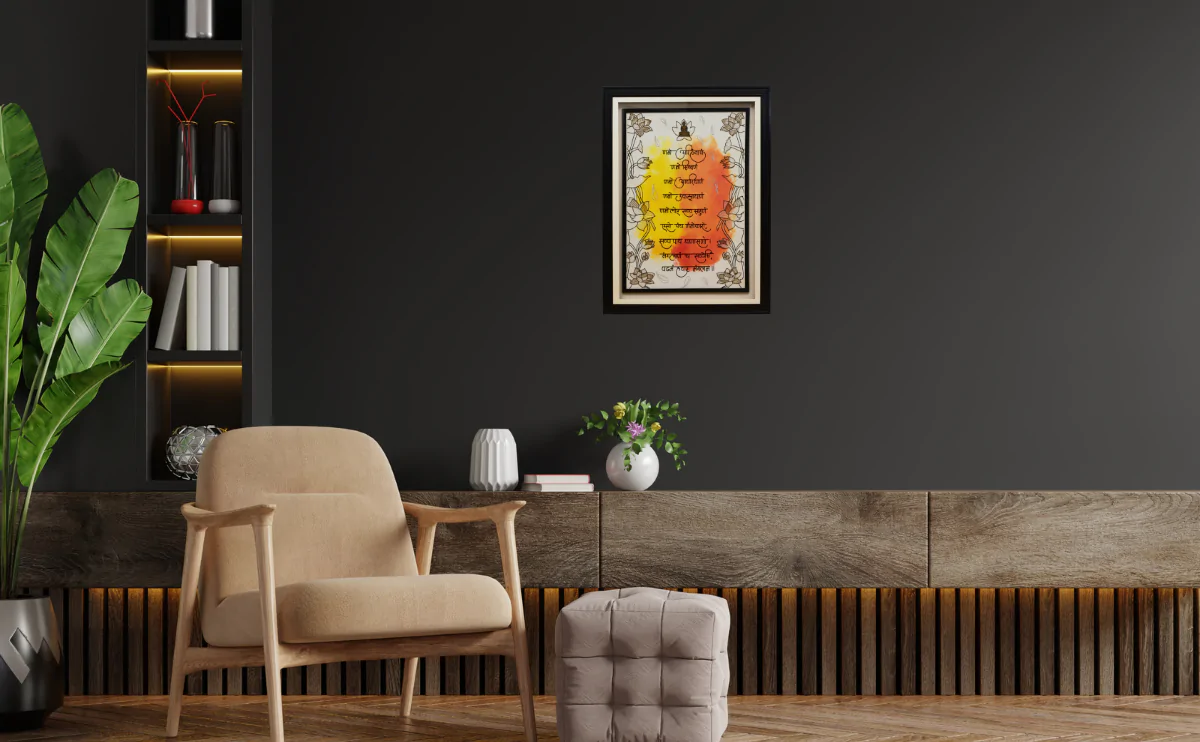
A well-designed wall panel can transform a plain surface into an architectural feature. It can provide a focal point behind a reception desk, introduce natural-looking textures into a restaurant, create a sophisticated backdrop for a hotel lobby, or help establish a consistent design language throughout a property.
Wall panels can also help designers create visual continuity. Instead of treating every wall as a separate element, designers can use a coordinated material palette across different areas of the property. This can help connect public spaces, guest rooms, corridors, and other areas while still allowing each space to have its own character.
How to Choose the Right Hospitality Wall Panels
Choosing the right wall panels begins with understanding the purpose of the installation. A panel intended for a decorative feature wall in a boutique hotel may have very different requirements from panels installed in a busy restaurant corridor.
The first consideration should be the environment in which the panels will be used. Designers should think about expected traffic, cleaning frequency, exposure to moisture, possible impact, lighting conditions, and the overall design concept.
The second consideration is material performance. Different materials have different characteristics related to weight, durability, maintenance, moisture resistance, acoustic performance, installation, and appearance. The selected material should therefore be appropriate for the intended application.
The third consideration is design consistency. Panels should work with the flooring, furniture, lighting, ceilings, fabrics, metal finishes, and other interior elements. A beautiful panel can still feel out of place if it does not complement the overall design scheme.
Material Selection for Hospitality Wall Panels
Material selection is one of the most important parts of specifying wall panels for a hospitality project. The material affects both the visual character and the practical performance of the finished installation.
Some projects may call for warm, natural-looking surfaces, while others may require contemporary textures, geometric patterns, or highly refined finishes. Depending on the manufacturer and product system, hospitality panels may be available in different textures, colors, patterns, substrates, finishes, and configurations.
For architects and designers, it is important to request technical information before finalizing a material. This can include product specifications, installation instructions, cleaning recommendations, applicable certifications, fire-performance information, and other relevant documentation.
Material selection should always be connected to the specific project requirements rather than based solely on trends.
Best Hospitality Wall Panels in USA: What Should You Look For?
When businesses search for the Best Handmade Wall Panels in USA, the most useful approach is to define what “best” means for their particular project. A panel suitable for a luxury hotel lobby may not necessarily be the most appropriate option for a high-traffic restaurant or a compact boutique property.
Instead of selecting products based only on photographs, project teams should examine the technical and design characteristics of the panels. Important factors can include durability, surface finish, installation method, maintenance requirements, customization options, dimensions, material composition, and suitability for the intended application.
It is also useful to request samples. Digital images can help with initial selection, but physical samples allow designers to examine texture, color, thickness, surface quality, and how the material interacts with actual lighting.
Working With a Reliable Wall Panel Manufacturer
The manufacturer plays an important role in determining how smoothly a hospitality wall-panel project progresses. A reliable manufacturer should be able to understand drawings, dimensions, material specifications, design references, and project requirements.
Communication is particularly important for custom projects. Hospitality interiors often involve unique wall dimensions, curves, patterns, junctions, openings, or coordinated finishes. The manufacturer needs to understand these requirements before production begins.
A good manufacturing process should also include clear documentation. Product specifications, approved samples, drawings, measurements, finishing details, and installation requirements can all help reduce misunderstandings.
For larger projects, manufacturers should also be able to discuss production capacity and expected lead times so that the wall-panel schedule can be coordinated with the broader construction program.
Customization and Bespoke Hospitality Wall Panels
One of the advantages of working with a specialist manufacturer is the possibility of customization. Hospitality projects often have a strong design identity, and standard products may not always provide the desired result.
Custom wall panels can be developed around specific dimensions, patterns, colors, textures, or architectural requirements. A hotel may want a feature wall inspired by its location, while a restaurant may require a custom pattern that reflects its brand identity.
Customization can also involve adapting panel dimensions to the architecture of a space. This can help designers create a more integrated appearance instead of forcing the room to accommodate a standard panel format.
However, customization should begin with a clear understanding of manufacturing feasibility. Designers should discuss the proposed design with the manufacturer early in the process to identify technical limitations before finalizing the specification.
Importance of Samples and Prototypes
A sample is one of the most useful tools when selecting wall panels for hospitality interiors. It allows project teams to evaluate the product in physical form before approving a larger order.
A sample can reveal details that are difficult to judge from photographs, including texture, color variation, edge quality, surface reflection, thickness, and tactile appearance. It can also be placed alongside other interior materials to see how the complete palette works together.
For custom panels, prototypes can be even more important. A prototype allows the designer and manufacturer to review the proposed construction and identify potential modifications before production.
This approach can reduce the risk of expensive changes after manufacturing has already started.
Durability and Maintenance
Hospitality spaces experience continuous use, which means maintenance should be considered during product selection. A wall panel that looks excellent at installation but requires complicated maintenance may create challenges for hotel or restaurant operators.
Cleaning requirements should be understood before installation. The manufacturer should provide appropriate maintenance instructions and identify any limitations regarding cleaning products or methods.
Durability is equally important. Panels in guest rooms may experience different levels of contact compared with panels installed in corridors, restaurants, or public areas. The intended application should therefore be communicated clearly to the manufacturer.
A practical wall-panel solution should balance aesthetics with the operational needs of the property.
Fire Safety and Building Requirements
Fire performance is an important consideration for hospitality interiors. Hotels, restaurants, resorts, and other commercial properties may be subject to building regulations and fire-safety requirements that vary by location and application.
Project teams should verify the applicable requirements with qualified architects, contractors, code professionals, and relevant authorities. Manufacturers should be able to provide available technical documentation and product information to support the specification process where applicable.
It is important not to assume that a panel is suitable for every commercial application simply because it has been used in another hospitality project. Requirements can vary depending on the location, construction, building type, and local regulations.
Acoustic Considerations
In some hospitality environments, wall panels can also contribute to the acoustic character of a space. Restaurants, lounges, hotel lobbies, conference areas, and other large interiors may experience unwanted sound reflection or background noise.
Where acoustic performance is important, designers should look for wall-panel systems specifically engineered or tested for the required acoustic application. Decorative appearance alone does not guarantee meaningful acoustic performance.
An appropriate acoustic strategy may combine wall panels with ceilings, flooring, furniture, curtains, upholstered surfaces, and other treatments. The goal should be to create an overall acoustic environment suited to the function of the space.
Top Hospitality Wall Panels in USA: Avoid Choosing Only by Appearance
A search for Top Luxury Wall Panels in USA can produce many attractive products, but visual appeal should only be one part of the evaluation.
Project teams should compare technical specifications, material properties, maintenance requirements, installation methods, customization capabilities, and project support. A product photograph can show what a panel looks like, but it does not reveal how easily it can be installed, cleaned, repaired, or coordinated with other architectural elements.
For professional hospitality projects, requesting technical documentation and physical samples can make product evaluation more reliable.
Installation Should Be Considered Early
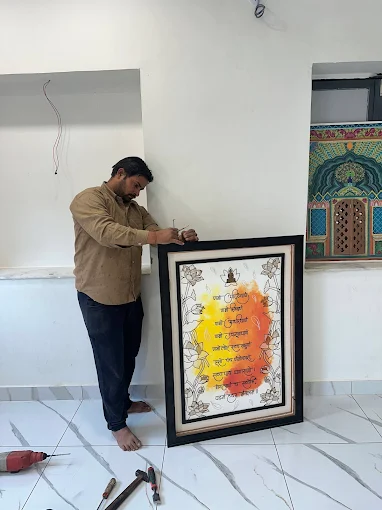
Installation is sometimes overlooked until the products arrive on site. This can create unnecessary delays if the wall substrate, dimensions, fixing system, or site conditions do not match the panel requirements.
Manufacturers should provide appropriate installation guidance for their products. Depending on the system, preparation may involve ensuring that the wall surface is suitable, level, clean, dry, and structurally appropriate.
For large hospitality projects, coordination between the manufacturer, interior designer, architect, contractor, and installation team is particularly important. Accurate site measurements and approved shop drawings can help reduce installation-related issues.
Lead Times and Project Scheduling
Hospitality projects often operate according to strict construction schedules. Delays in one material can affect multiple trades and potentially influence the opening timeline of the property.
Before placing an order, project teams should discuss expected production lead times, sample approval periods, customization requirements, shipping schedules, and installation timing.
It is useful to distinguish between manufacturing lead time and total project time. Custom products may require additional design approval, sampling, production, packaging, and transportation stages. Planning these steps early can make the procurement process more predictable.
Hospitality Wall Panels USA for Different Applications
The phrase Hospitality Wall Panels usa can cover a wide range of interior applications. Hotels may use wall panels in guest rooms, headboards, reception areas, corridors, restaurants, lounges, and event spaces.
Restaurants can use them to create branded feature walls, dining backdrops, bar interiors, or distinctive architectural surfaces. Resorts may use panels to bring natural textures or regionally inspired patterns into their interiors.
Because each application has different functional requirements, the same panel specification should not automatically be applied throughout an entire property. Designers should assess each area individually while maintaining an overall design language.

Why Custom Design Can Strengthen Hospitality Branding
A hospitality property is more than a building; its interior environment can become part of its brand identity. Distinctive materials and architectural details can help create a recognizable atmosphere.
Custom wall panels provide an opportunity to incorporate specific patterns, textures, colors, or visual motifs associated with a property. A boutique hotel might use a custom feature wall to reinforce its design story, while a restaurant may use a branded surface to create a memorable backdrop.
The strongest results usually come when custom wall panels are integrated with the overall interior design rather than treated as an isolated decorative element.
How Studio Ayni Approaches Hospitality Wall Panels
Studio Ayni focuses on design-led interior solutions where material, texture, form, and spatial experience work together. For hospitality projects, wall panels can become more than a decorative surface; they can contribute to the visual language and atmosphere of a space.
When developing a wall-panel concept, factors such as application, proportions, material character, surface treatment, installation requirements, and overall interior coordination can be considered together. This approach allows designers and project teams to explore solutions that are visually distinctive while remaining connected to practical project requirements.
For hospitality businesses, architects, and interior designers, the manufacturing conversation can begin with the intended application, design concept, project dimensions, material preferences, and performance requirements. From there, samples and technical discussions can help establish a clearer direction before final production.
Questions to Ask a Hospitality Wall Panel Manufacturer
Before selecting a manufacturer, project teams should ask several practical questions about the product and production process. Understanding these details early can help prevent problems during procurement and installation.
Important questions include whether the manufacturer offers custom dimensions, what materials and finishes are available, whether physical samples can be provided, how long production takes, what maintenance is required, how the panels are installed, and what technical documentation is available.
For large projects, it is also useful to ask about production capacity, packaging, shipping, quality inspection, replacement procedures, and how the manufacturer handles design revisions.
FAQs
1. What are Hospitality Wall Panels used for?
Hospitality wall panels are used to create decorative, architectural, textured, branded, or functional wall surfaces in hotels, resorts, restaurants, lounges, cafés, spas, and other commercial hospitality environments.
2. How do I choose the right hospitality wall panel?
Consider the intended application, material, durability, maintenance, design, installation method, dimensions, fire-performance requirements, acoustic needs, and project budget. Physical samples and technical documentation can help with the final selection.
3. Can hospitality wall panels be customized?
Many specialist manufacturers offer customization depending on the material and production system. Customization may involve dimensions, patterns, colors, textures, finishes, or other design requirements. The feasibility should be discussed before the design is finalized.
4. What should I ask a wall panel manufacturer before ordering?
Ask about material specifications, samples, customization, production lead times, minimum quantities, installation requirements, maintenance, technical documentation, quality control, packaging, and project-specific support.
5. Why are samples important for hospitality wall panels?
Samples allow designers and project teams to evaluate the actual texture, color, finish, thickness, and appearance of a panel before committing to a larger order. They can also be compared with lighting, flooring, furniture, and other interior materials.
Conclusion
Finding a reliable hospitality wall panel manufacturer requires a combination of design evaluation and practical due diligence. The right product should complement the interior concept while also being appropriate for the environment in which it will be installed. Material performance, durability, maintenance, customization, installation, technical documentation, and production timelines all deserve attention before a final decision is made.
For architects, interior designers, developers, and hospitality businesses researching Hospitality Wall Panels, the most effective approach is to define the project’s requirements first and then evaluate manufacturers against those requirements. Physical samples, clear specifications, technical information, and open communication can make the selection and production process more manageable.
For projects looking for distinctive and design-focused wall solutions, Studio Ayni brings together an emphasis on material expression, interior aesthetics, and project-specific requirements. Whether the application is a hotel lobby, restaurant, resort, guest room, corridor, or feature wall, carefully selected wall panels can help create a cohesive environment that supports both the visual identity and practical needs of a hospitality space.