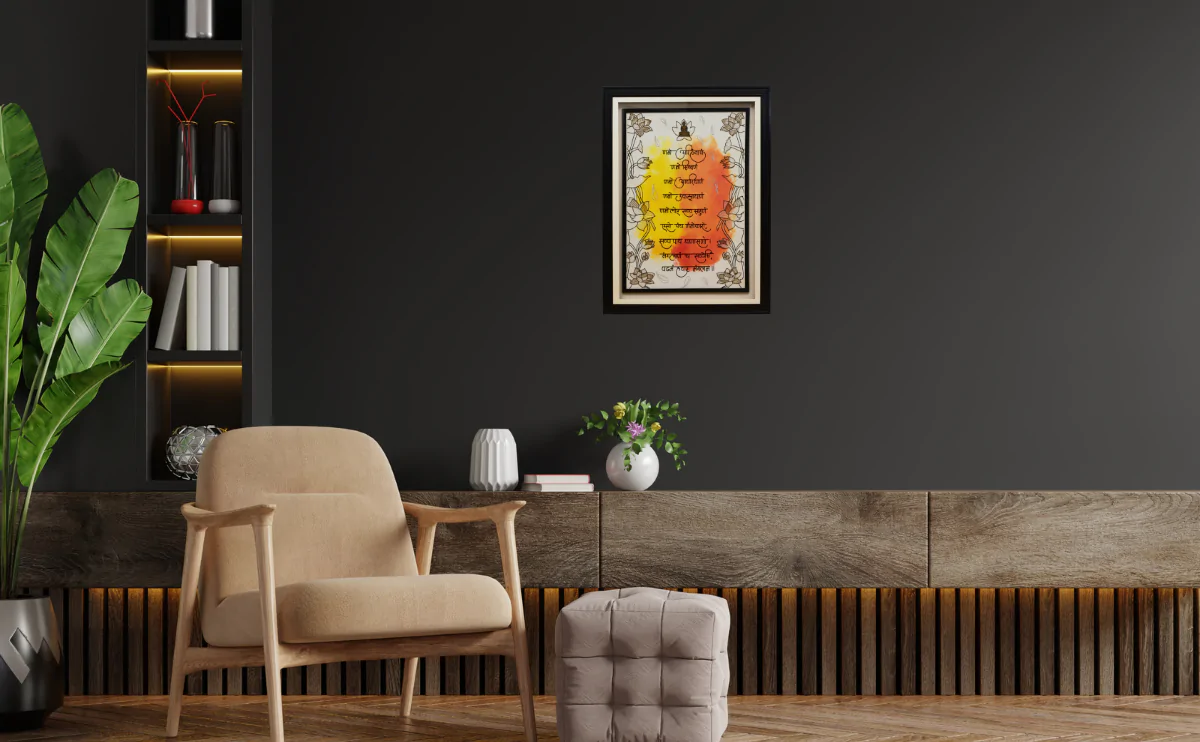

Blog
How Custom Embroidered Panels Can Transform Hotel Interiors

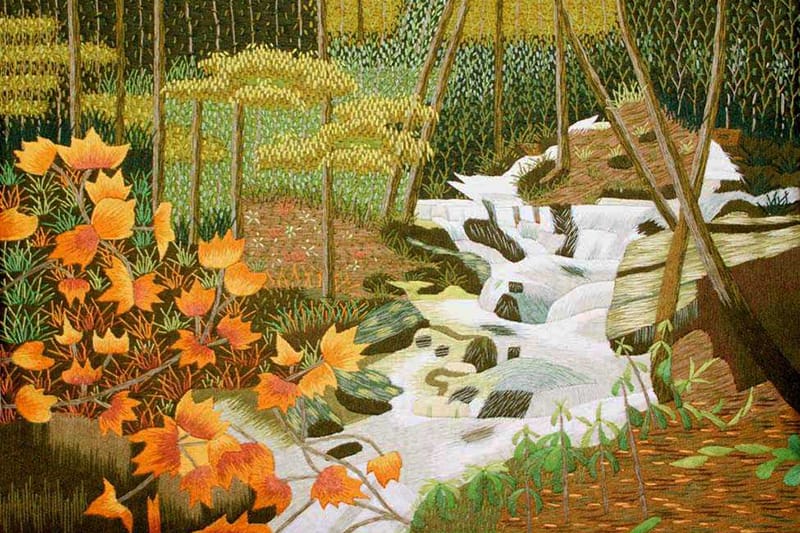
Hotel interiors are no longer designed only around furniture, lighting, and paint colors. Today, hospitality spaces are expected to create an experience that guests can recognize, remember, and connect with. From the moment guests enter a hotel lobby to the time they relax inside their rooms, every material and visual detail contributes to the overall impression of the property. One increasingly versatile way to introduce texture, personality, and visual depth into hospitality spaces is through custom textile artwork. Custom Embroidered Interior Panels can transform otherwise plain walls and surfaces into distinctive design features while adding softness and craftsmanship to modern hotel interiors.
For hotels, resorts, boutique properties, restaurants, and other hospitality environments in the United States, custom textile panels can also provide an opportunity to bring a property’s design concept into different areas of the space. Instead of using the same decorative element throughout a property, designers can develop embroidery patterns, colors, textures, and compositions that complement the architecture and brand identity. Studio Ayni creates textile-based interior solutions for design-led spaces, helping architects, interior designers, hospitality groups, and project buyers explore embroidered surfaces as an artistic and functional part of interior design.
What Are Custom Embroidered Interior Panels?
Custom embroidered interior panels are textile-based decorative surfaces featuring stitched patterns, motifs, artwork, textures, or other embroidery techniques. They can be developed according to the requirements of a particular interior project rather than being limited to standard designs.
The design possibilities are extensive. A hotel may choose an abstract geometric composition for a contemporary lobby, botanical embroidery for a nature-inspired resort, or a more artistic pattern that reflects the cultural identity of a particular destination. The textile, embroidery density, colors, dimensions, and overall composition can be developed around the project’s design direction.
Unlike a conventional painted wall, an embroidered panel introduces physical texture into the interior. The interaction between thread, fabric, light, and surrounding materials can create subtle visual changes throughout the day. This makes embroidered surfaces particularly interesting for spaces where designers want the walls to contribute to the guest experience rather than simply act as a background.
Why Are Embroidered Panels Becoming Interesting for Hotel Interiors?
Hotels compete not only through their rooms and amenities but also through the experience they create. Interior design plays an important role in that experience because guests interact with the space throughout their stay.
A thoughtfully designed textile installation can become a focal point in a lobby, headboard area, corridor, restaurant, lounge, or event space. It can help break up large architectural surfaces and introduce a sense of warmth that may be difficult to achieve with hard materials alone.
There is also a strong storytelling opportunity. Hotels often have a location, history, cultural influence, or design philosophy that can be represented through artwork and materials. Embroidery can translate these ideas into patterns and tactile compositions, giving designers another medium through which to express the property’s identity.
How Custom Embroidered Panels Can Transform Hotel Interiors
1. Creating a Strong First Impression in Hotel Lobbies
The lobby is often the first major interior space guests experience. A large reception desk, attractive lighting, comfortable furniture, and architectural features can establish the basic atmosphere, but an artistic textile installation can provide an additional focal point.
Large Custom Embroidered Interior Panels in USA hospitality projects can be designed around the dimensions and visual requirements of the lobby. Instead of placing a generic artwork on a wall, designers can develop a textile composition that works specifically with the hotel’s architecture.
A large-scale embroidered panel behind a reception desk can act as a visual anchor. The design can incorporate colors from the hotel’s interior palette while introducing contrasting textures. In a boutique hotel, the embroidery might become a signature design element that guests associate with the property.
Because textile artwork can be developed in different sizes and configurations, it can also be used across multiple sections of a large lobby without making the space feel repetitive.
2. Adding Texture to Minimalist Interiors
Modern hotel design often uses clean lines, neutral colors, glass, stone, metal, and other architectural materials. While these materials can create an elegant appearance, extensive use of hard surfaces can sometimes make an interior feel visually cold.
Embroidered textile panels introduce softness and tactile variation. The stitching creates a surface that can be appreciated from a distance as an artwork and from closer range as a detailed textile composition.
This makes embroidered panels particularly suitable for minimalist hotel interiors where a designer wants to add visual interest without introducing excessive furniture or decoration. A neutral room can be enhanced with a carefully designed embroidered panel that provides depth while maintaining the overall simplicity of the space.
3. Supporting Hotel Branding Through Custom Design
Hotels increasingly invest in distinctive visual identities because brand recognition extends beyond logos and marketing materials. The physical environment can become an important part of how a hotel communicates its identity.
Custom embroidery offers designers the ability to create patterns and artwork specifically for a hotel brand. Colors can be coordinated with brand guidelines, while motifs can be inspired by the hotel’s story, location, architecture, or target audience.
For example, a coastal resort could use flowing patterns inspired by water, while an urban boutique property might choose an abstract composition reflecting the geometry of its surrounding cityscape.
This level of customization can help a hotel develop an interior environment that feels intentional rather than assembled from unrelated decorative products.
4. Making Guest Rooms More Distinctive
The use of embroidered panels does not need to stop at public areas. Guest rooms can also benefit from textile artwork, particularly behind beds, seating areas, or desks.
A carefully designed embroidered headboard panel can become a central visual element while contributing texture to the room. Designers can coordinate the embroidery with bedding, curtains, carpets, furniture, and wall finishes.
For larger hotel projects, a collection of related embroidery designs can be developed so that rooms maintain a consistent visual language while still allowing for variation. This can be particularly effective in boutique hotels and resorts where individuality is an important part of the guest experience.
5. Enhancing Hotel Restaurants and Lounges
Restaurants, bars, lounges, and cafés within hotels often require their own visual identities while remaining connected to the overall property design.
Embroidered interior panels can be used to create feature walls, decorative partitions, seating backdrops, or other textile installations. Because embroidery can incorporate intricate patterns and different textures, it can add character without requiring a large number of separate decorative objects.
In a fine-dining restaurant, for example, a sophisticated embroidered composition can complement atmospheric lighting and elegant furniture. In a casual hotel lounge, a more expressive pattern can introduce energy and visual personality.
6. Transforming Corridors and Transitional Spaces
Hotel corridors are often overlooked when interior design budgets are concentrated on lobbies and guest rooms. However, these transitional spaces can strongly influence the overall guest experience.
Long corridors can sometimes appear repetitive when they rely only on doors, lighting, and painted walls. Carefully positioned embroidered panels can create moments of visual interest along the journey from one space to another.
A series of coordinated panels can tell a visual story, with each piece connected through color, material, or pattern. This approach allows designers to turn a functional circulation area into a more engaging part of the hotel environment.
Choosing the Right Embroidered Interior Panels in USA
When sourcing Embroidered Interior Panels in USA, hotel owners, interior designers, architects, and procurement teams should evaluate more than the appearance of the artwork. The panel needs to work with the practical requirements of the project as well as its visual concept.
Dimensions are an important starting point. A panel intended for a large lobby wall may require a very different construction approach from a smaller guest-room installation. Designers should consider the available wall area, surrounding furniture, lighting, viewing distance, and installation method.
Material selection is equally important. The textile should be appropriate for the intended application, while the embroidery should complement the scale of the design. A highly detailed pattern may work beautifully on a smaller surface but could require a different approach when enlarged to architectural scale.
Color should also be evaluated under the actual lighting conditions of the hotel. Natural daylight, warm decorative lighting, and architectural lighting can all affect how textile colors appear.
What Makes the Best Embroidered Interior Panel?
There is no single design that can be called the Best Embroidered Interior Panel in USA for every hotel. The best panel is the one that successfully meets the project’s design, material, scale, and functional requirements.
A strong panel should have a clear relationship with its surroundings. Its colors should complement the interior palette, its scale should work with the architecture, and its texture should contribute something meaningful to the space.
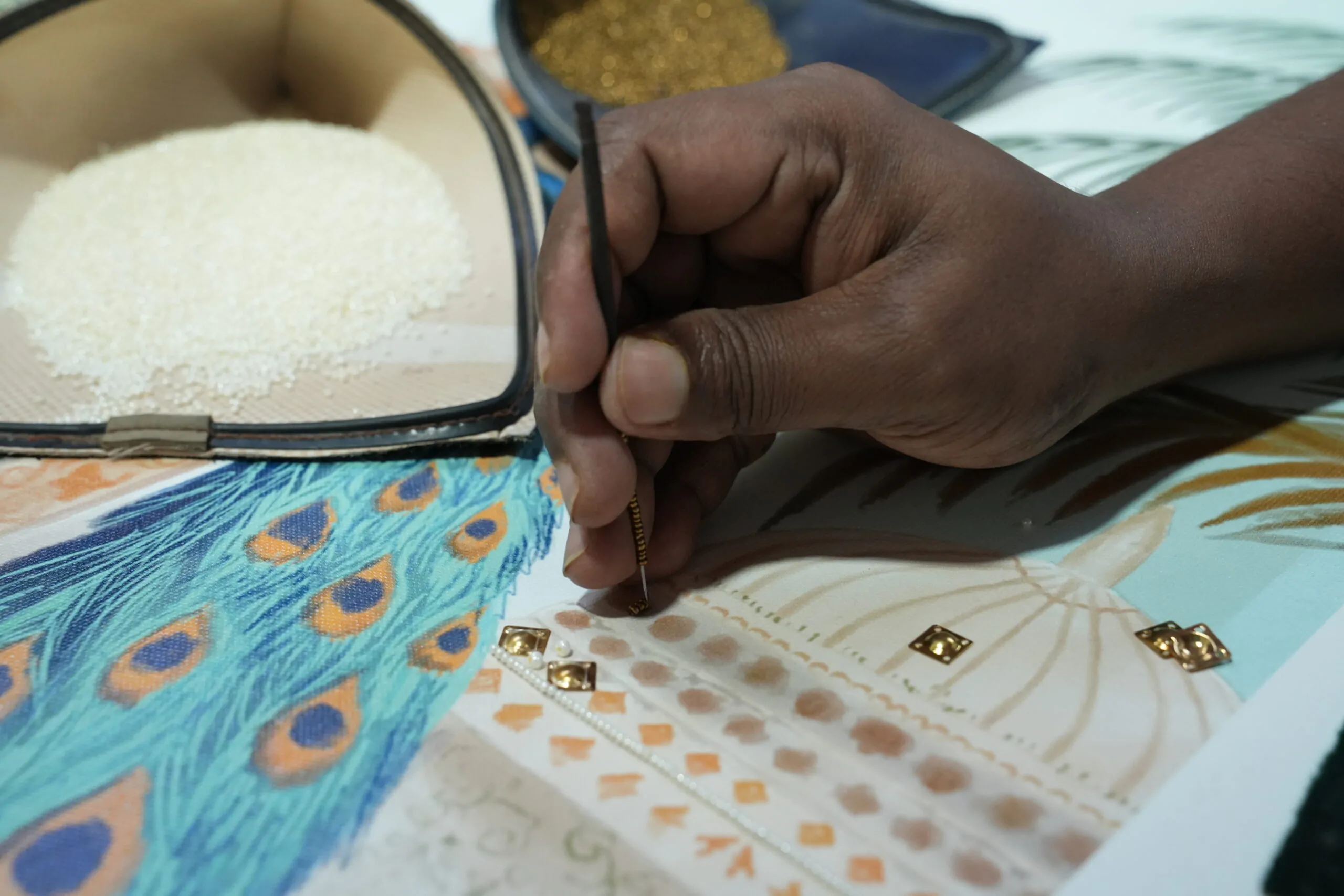
Craftsmanship also matters. Detailed embroidery requires precision because inconsistencies can become more visible as the panel increases in size. The quality of the textile, stitching, finishing, and overall construction should therefore be evaluated before a large hospitality order is placed.
For designers and project teams, requesting samples or reviewing material swatches can be an effective way to evaluate the proposed solution before approving the complete installation.
Customization Options for Hospitality Projects
One of the strongest advantages of custom textile panels is the ability to develop a design around the project instead of adapting the project to an existing product.
A designer can provide a concept, artwork, reference image, color palette, architectural inspiration, or even a broader design direction. The manufacturer or textile studio can then work toward translating that idea into an embroidered surface.
Customization may involve dimensions, embroidery pattern, color combinations, textile selection, stitch density, composition, and finishing details. For hospitality groups with multiple properties, related designs can also be developed to create a consistent collection while allowing each property to maintain its own identity.
Embroidered Panels and the Hospitality Guest Experience
Good hotel design is ultimately about how a space feels and functions. Guests may not consciously analyze every material they encounter, but they respond to atmosphere, comfort, visual harmony, and memorable details.
Textiles can contribute to this experience because they introduce a different sensory quality from hard architectural surfaces. Embroidery adds another layer by creating visible and tactile craftsmanship.
A thoughtfully positioned textile panel can therefore serve more than a decorative purpose. It can create a focal point, support storytelling, soften an interior, reinforce a design theme, and contribute to the identity of the hotel.
Why Work with Studio Ayni?
Studio Ayni approaches textile interiors as an opportunity to combine artistic expression with the requirements of contemporary spaces. For hospitality projects, this means developing textile surfaces that can respond to a designer’s concept rather than relying only on standard decorative formats.
The studio can work with design professionals and project teams looking for customized textile solutions for hotels, resorts, restaurants, and other interior environments. The emphasis is on translating ideas into carefully considered textile compositions where material, embroidery, scale, color, and visual character work together.
For USA-based hospitality projects, collaboration during the early design stage can be especially valuable. Sharing architectural drawings, mood boards, material palettes, dimensions, and project objectives can help establish a textile direction that fits naturally into the overall interior scheme.
How to Plan a Custom Embroidered Panel Project
A successful project generally begins with a clear understanding of where the panels will be installed and what role they are expected to play. Designers should consider the wall dimensions, viewing distance, lighting, surrounding materials, desired visual impact, and installation requirements.
The next stage is usually concept development and material selection. Samples can help evaluate colors, textures, embroidery techniques, and scale before the final design is approved.
Once the design is finalized, production planning should consider quantities, dimensions, finishing, packaging, and installation coordination. For larger hotel projects, establishing these details early can help keep the textile component aligned with the broader construction and interior-design schedule.
Bring Your Hotel Interior Concept to Life
Looking to add distinctive textile artwork to a hotel, resort, restaurant, or hospitality project?
Studio Ayni can help you explore custom embroidered interior panels designed around your project’s architecture, materials, colors, and creative direction. Whether you are developing a feature wall, guest-room installation, lobby artwork, or a collection of textile panels, share your concept and project requirements with the Studio Ayni team.
Contact Studio Ayni to discuss your custom embroidered panel project and explore a textile solution created specifically for your space.
FAQs
1. What are custom embroidered interior panels?
Custom embroidered interior panels are textile-based decorative surfaces featuring embroidery, stitched artwork, patterns, or textured compositions. They can be designed according to the dimensions, color palette, architectural style, and creative requirements of a specific interior project.
2. Where can embroidered panels be used in hotels?
Embroidered panels can be used in hotel lobbies, reception areas, guest rooms, headboards, corridors, restaurants, lounges, event spaces, and other areas where designers want to introduce texture or create a visual focal point.
3. Can embroidered interior panels be customized for a hotel brand?
Yes. Custom panels can be developed around a hotel’s brand identity, interior palette, architectural concept, location, or storytelling requirements. Patterns, colors, dimensions, textile materials, and embroidery details can be considered during the design process.
4. How do I choose embroidered interior panels for a USA hospitality project?
Start by considering the installation location, dimensions, lighting, interior materials, desired visual effect, textile requirements, and project timeline. Reviewing samples and discussing the application with an experienced textile studio can help you select an appropriate solution.
5. Are embroidered panels suitable for large hotel projects?
Yes, embroidered textile artwork can be developed for larger hospitality applications. However, large-scale projects require careful planning around dimensions, material selection, construction, finishing, quality control, transportation, and installation.
6. Why choose custom embroidered panels instead of standard wall artwork?
Custom embroidered panels allow the artwork to be developed specifically for the space. Designers can coordinate the textile’s colors, scale, texture, and pattern with the architecture and overall interior concept, creating a more integrated design solution.
Conclusion
Hotels are increasingly looking for interior details that create a recognizable identity and a memorable guest experience. Custom Embroidered Interior Panels offer designers a flexible way to introduce artwork, texture, craftsmanship, and storytelling into hospitality environments.
From statement pieces in hotel lobbies to detailed installations in guest rooms, restaurants, lounges, and corridors, embroidered textiles can work across different areas of a property. Their greatest advantage is customization: the design can be developed around the architecture, brand identity, material palette, and creative vision of the project.
For hospitality designers and buyers in the USA, choosing the right textile partner is an important part of achieving the desired result. Studio Ayni brings together textile artistry and project-focused customization to help transform interior concepts into distinctive embroidered surfaces. When thoughtfully planned, an embroidered panel can become more than a decorative feature—it can become part of the hotel’s identity and the experience guests remember.